

If you ask us who knows this forest best, the answer will not be a tourism company.
Nor a visitor who has come here many times.
Perhaps it is those who have spent many years walking beneath the forest canopy without a camera.
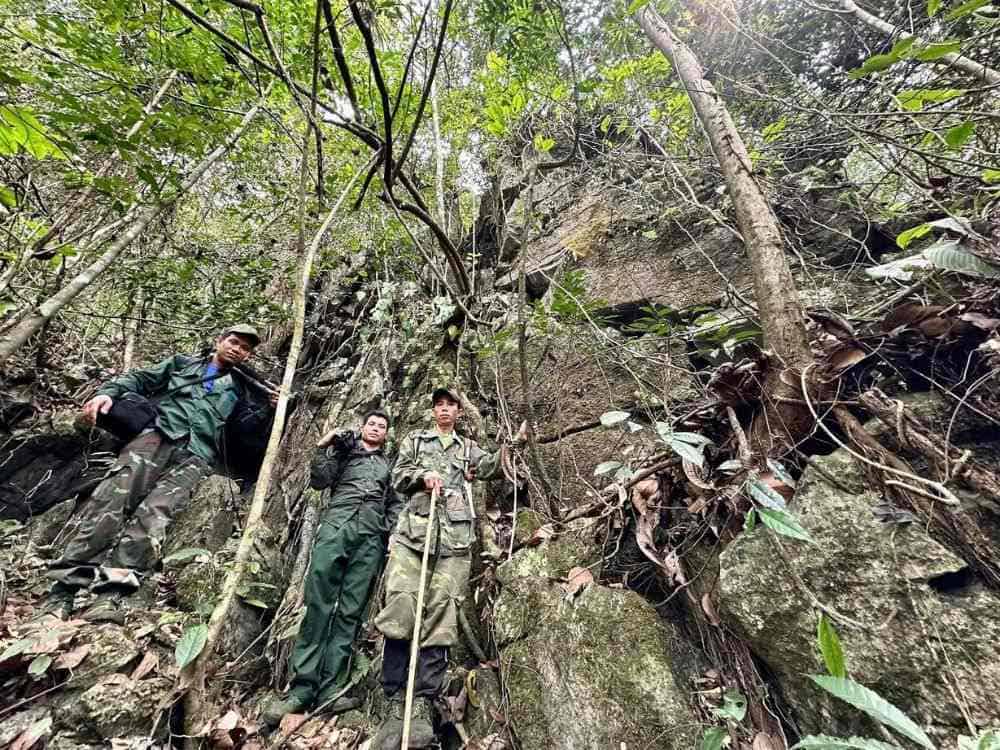
Some are forest rangers.
Some are Dao people living at the foot of the mountain.
Some are tea pickers.
Some have been finding medicinal plants since childhood.
Some have never thought that what they know might be precious to others.
They are not famous.
But if one day this forest is still standing, it will very likely be because of people like them.
Some work makes very little noise
We tend to remember those who appear before crowds.
But in the mountains, there is work that almost always happens in silence.
Someone checking the forest path after rain.
Someone clearing fallen branches from the trail.
Someone walking for many hours just to confirm that an area is still undisturbed.
Someone reporting when an unusual sign is found.
Someone reminding a visitor to speak more quietly.
Someone turning back when conditions no longer allow going further.
No applause.
No award ceremony.
No post that tells the full story of that work.
But those very small things are what keep the forest a forest.
Understanding a forest does not begin with a map
Visitors often ask:
« How long is this trail? »
« How much further? »
« Which direction is the summit? »
Those questions are all necessary.
But people who live with the forest ask different questions.
Has the wind shifted direction today?
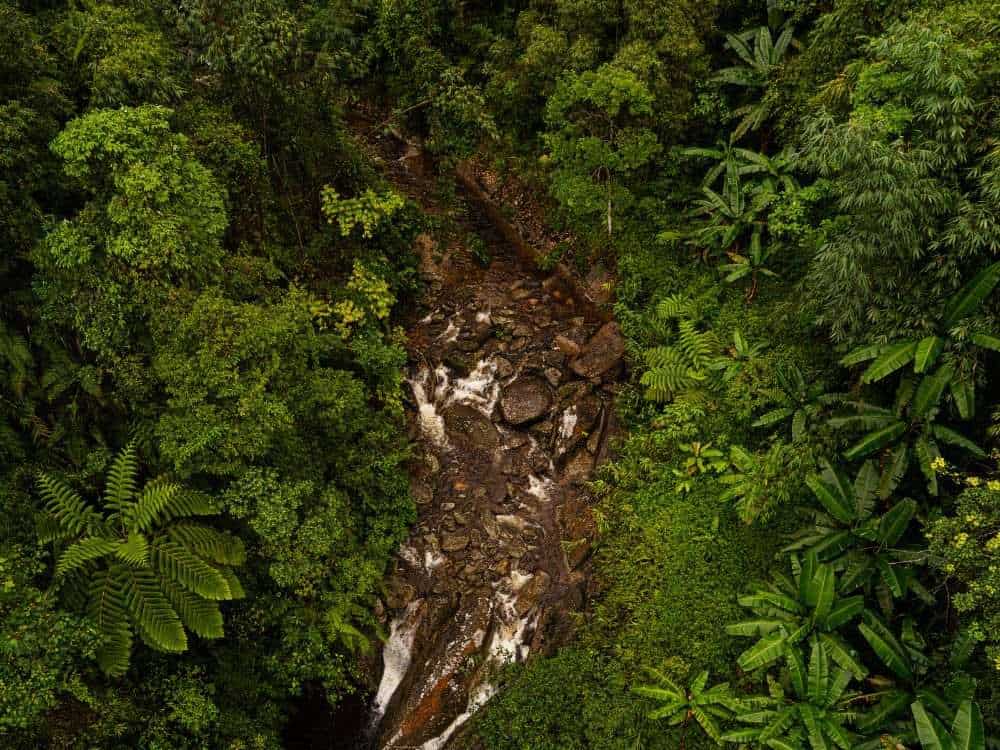
Is the stream still clear after the rain?
Are the birds still singing on that slope?
Has the tea begun to bud this season?
Are there new footprints on the trail?
They do not measure the forest in kilometers.
They measure it in very small changes.
That is something only time can teach.
Local knowledge is not in books
Some things are very hard to learn online.
How to know which section of path will be slippery after the first rain of the season.
How to recognize when a stream is about to change course.
How to know today is not a day to go deeper in.
How to tell the difference between the sound of wind and a branch just broken.
These are not magic.
They are knowledge accumulated over many years of living with a particular landscape.
This knowledge is not perfect.
But it deserves to be listened to.
Because many times, it has helped people avoid mistakes that no map or phone could warn them about.
We learned from those who came before
We did not come to this land to teach anyone how to live with the forest.
The opposite.
Much of what we know today came from making the effort to listen.
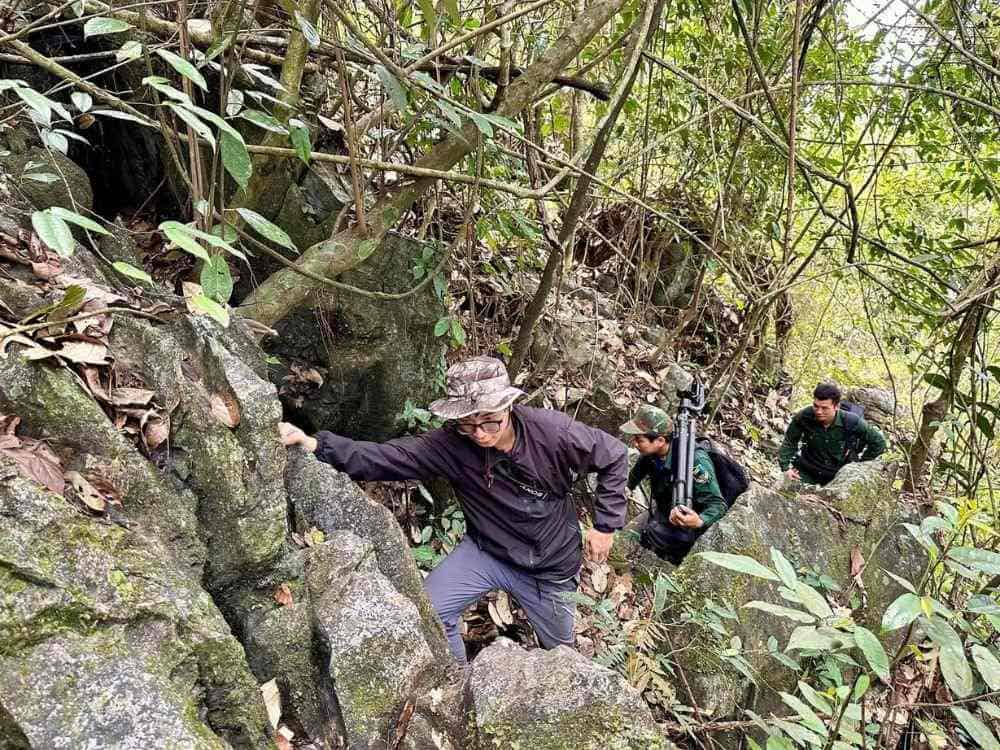
Listening to elders describe old trails.
Listening to tea pickers talk about the seasons.
Listening to local people explain why certain areas of forest should not be entered.
Listening to rangers when they say today is not the right day to go further.
Responsible tourism does not begin by saying a great deal.
It begins by knowing who you need to learn from.
What We Will Not Do
We will not treat local knowledge as a product to exploit.
We will not tell other people’s stories as if they were our own.
We will not turn quiet people into tools for building a brand’s image.
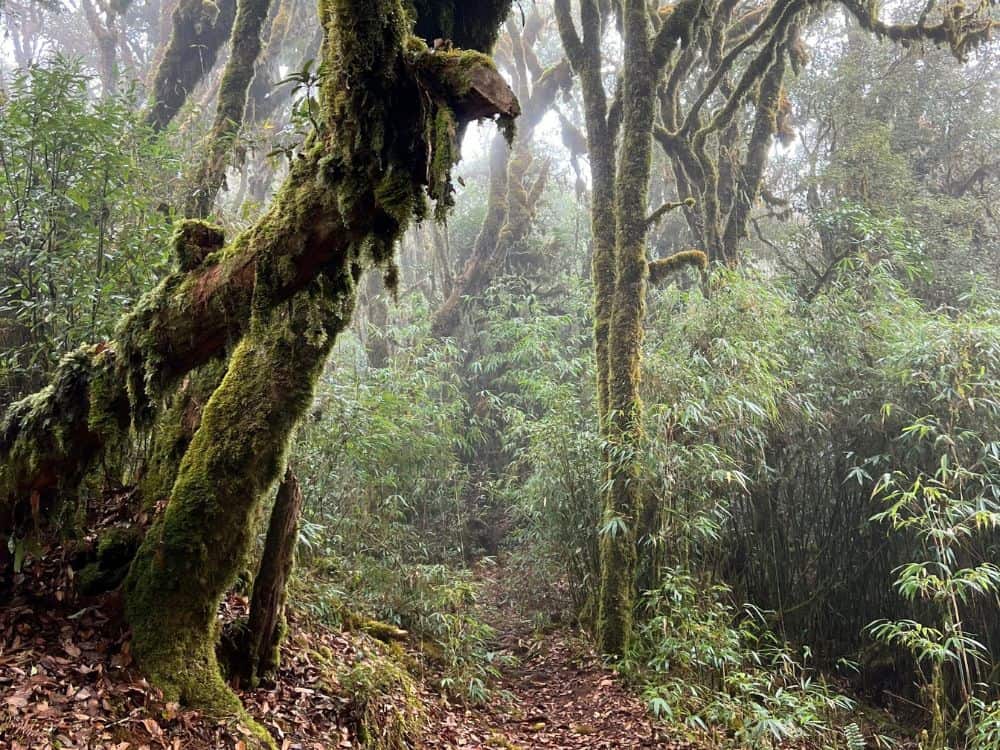
If one day you meet a local guide who speaks very little but knows exactly where to stop, when to go, and when to turn back — remember that behind that calm is many years of living alongside these mountains.
That is not something that can be learned in a short training course.
Some names never appear on maps
When a trip ends, people usually remember the pass, the river, the mountain.
Rarely the name of the person who walked quietly in front.
Rarely anyone knows who noticed a fallen trunk in time to change the route.
Rarely anyone knows who stayed back late to make sure no one was left in the forest.
Some people spend a lifetime walking a path very few people know.
Perhaps what they hope to receive in return is not fame.
Only that the forest is still there.
The stream still flowing.
And those who come after still have the chance to step into a landscape that has not lost itself.
If we can tell one story about Tay Con Linh, we want to begin with people like that.
Because before a place becomes a destination, it has always been someone’s home.
And before a forest became known to outsiders, there were already people who had walked alongside it for a whole lifetime.


