

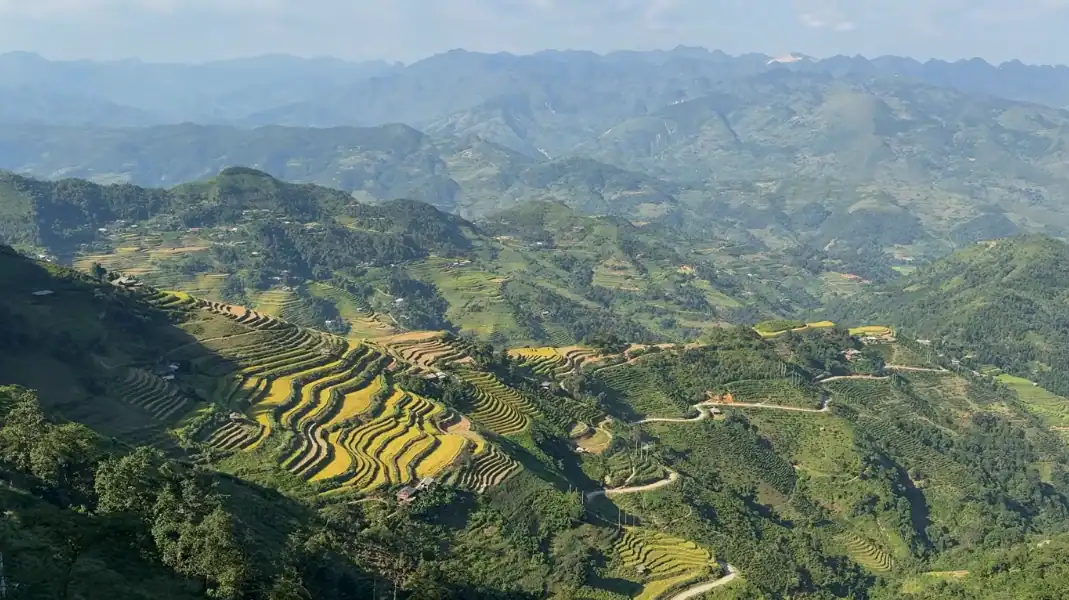
Maintaining physical health and mental alertness is the single most important factor for safely completing the 350-kilometer Ha Giang Loop. Navigating tight hairpin bends, high-altitude mountain passes, and sudden weather shifts across 4 to 6 hours of daily motorbike riding demands continuous physical stamina.
This comprehensive health guide covers hydration strategies, motion sickness remedies, altitude adaptation, ergonomics, and emergency medical preparation.
Essential physical health factors on mountain roads
Motorbike travel across steep karst topography places unique physical demands on riders and passengers alike.
| Health Factor | Primary Risk Factor | Preventative Action |
|---|---|---|
| Hydration & Electrolytes | Rapid dehydration from wind-chill and mountain sun | Drink 2.5 to 3 liters daily with electrolyte packets |
| Motion Sickness | Hundreds of consecutive S-turns and sharp switchbacks | Take Dimenhydrinate 30 mins before riding; ginger candies |
| Muscle Fatigue | Lower back and neck strain from prolonged posture | 10-minute stretch breaks every 45 to 60 minutes |
| Altitude & Cold Air | Sudden temperature drops on 1,500m high passes | Thermal windproof base layers, neck gaiter, and gloves |
| Digestive Health | Highland dietary shifts and unboiled water | Eat hot freshly cooked foods; carry Probiotics and Imodium |
« Riding the Ha Giang Loop is an endurance expedition. Staying hydrated, maintaining core body warmth over high passes, and stretching at rest stops ensures your reaction times remain razor sharp on every mountain turn. » – Van Trung Nguyen, Lead Expedition Director at TVPalm Adventure
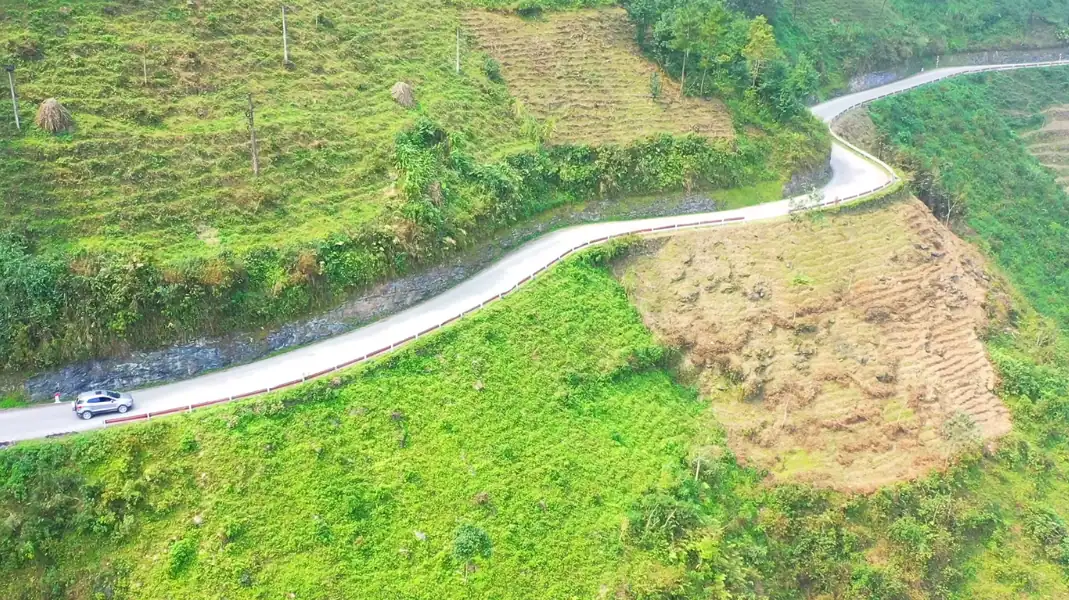
Hydration, nutrition, and digestive hygiene
Highland wind and sun dehydrate riders much faster than expected. Wind evaporation prevents riders from noticing sweat loss, leading to mild dehydration, headaches, and slowed reflexes.
- Carry an insulated 1-liter water bottle refillable at homestays, and supplement with oral rehydration salts (ORS) daily.
- Eat cooked, steaming meals at local eateries (pho, stir-fried vegetables, mountain pork, eggs) and avoid uncooked salads or iced drinks from unverified sources.
- Homestay Dining: Enjoy organic farm-to-table highland meals with local hosts, but moderate consumption of local corn wine (ruou ngo) to protect sleep quality and riding endurance.
Riding posture, ergonomics, and fatigue management
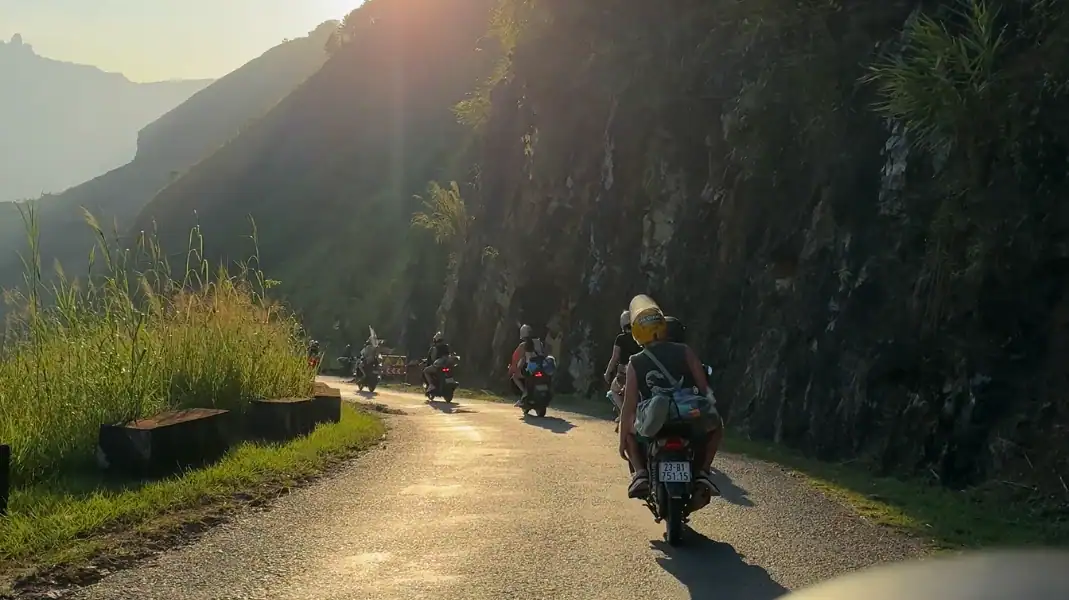
Holding a motorbike handlebar or riding pillion behind an Easy Rider for 6 hours daily can trigger neck, wrist, and lower-back cramps.
| Riding Position | Optimal Ergonomic Habit | Common Error to Avoid |
|---|---|---|
| Self-Rider Posture | Slightly bent elbows, relaxed grip, upright spine | Locked straight elbows, death-grip on handlebars |
| Pillion Passenger | Hold rear grab rail or driver waist, lean naturally with bike | Counter-leaning in turns, carrying heavy backpack on lap |
| Rest Intervals | Disembark every 45-60 min for shoulder & hamstring stretches | Pushing 3 hours continuously without stopping |
Essential travel health and first-aid checklist
- Personal First-Aid Kit: Antiseptic wipes, sterile bandages, gauze pads, medical tape, and blister cushions.
- Essential Oral Medications: Ibuprofen / Paracetamol (pain & inflammation), Dimenhydrinate (motion sickness), Loperamide / Imodium (diarrhea), and Antihistamines.
- Electrolyte Replacement Sachets: 4 to 6 packets of ORS hydration powder to mix with drinking water.
- High-SPF Sunscreen & Lip Balm: UV radiation at 1,500m altitude is severe even on cloudy days.
- Insect Repellent (DEET 20%+): Essential for evening stops near waterfalls and rural homestays.
- Comprehensive Travel Insurance: Policy confirming coverage for motorcycle touring up to 150cc in Vietnam.
Frequently asked questions
Is altitude sickness a real risk on the Ha Giang Loop?
Most passes range from 1,000 to 1,500 meters, which is below the threshold for acute altitude sickness (AMS). However, rapid elevation changes combined with cold mountain winds can cause mild lightheadedness or sinus headaches if not properly layered.
What medical facilities exist along the loop?
Each district capital (Yen Minh, Dong Van, Meo Vac) has a public medical clinic for basic first aid. Serious medical situations require transfer back to Ha Giang Provincial General Hospital or Hanoi.
Can I ride if I have mild asthma or dust allergies?
Yes, but wearing a tight-fitting N95 or particulate face mask under your full-face helmet is strongly recommended to filter road dust, smoke, and pollen along dry sections.
Written by Van Trung Nguyen, Lead Expedition Director & Licensed Tour Operator at TVPalm Adventure, Ha Giang. Providing safety compliance briefings and leading small-group eco-journeys across Northeast Vietnam since 2021.


