

There is one question visitors almost always ask before coming to Ha Giang:
« When is the most beautiful season?
That question is easy to answer if all you want is to sell a trip.
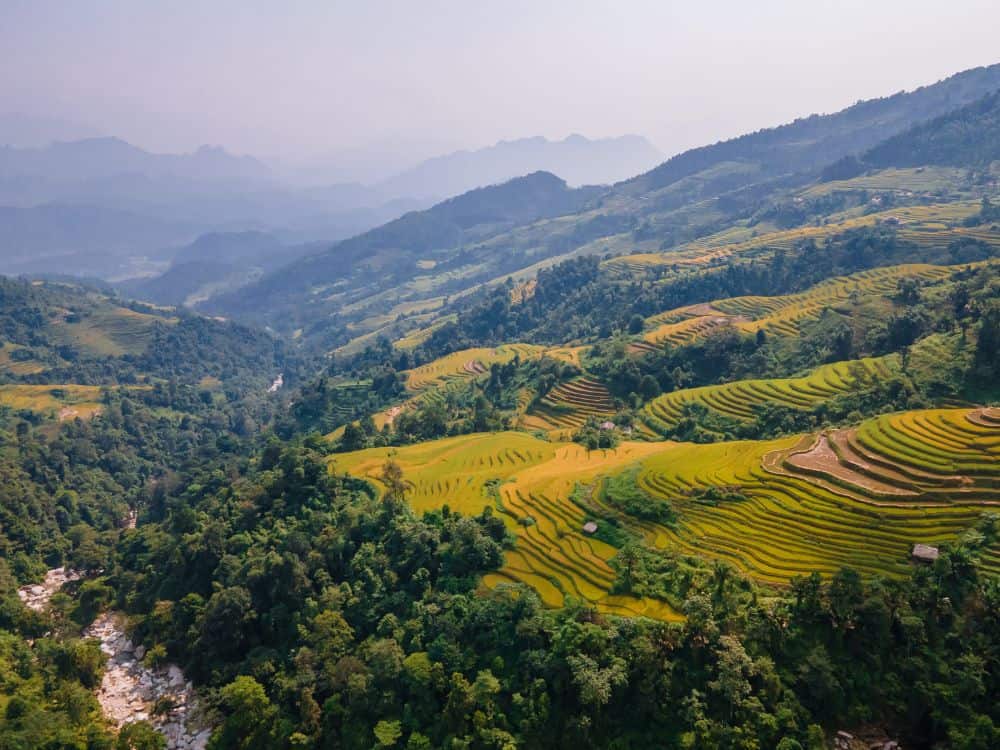
You could say September through November is best. The harvest season has passed its golden peak, the forest begins to change color, the air is drier, the paths more stable, the sky clearer, and mountain mornings have a quality of light that is very soft.
But having lived long enough in Tay Con Linh, we no longer want to answer it that way.
Because in truth, there is no single most beautiful season.
There are only seasons more suited to different kinds of people, different routes, different physical conditions, different expectations — and different limits of nature.
September to November: the easiest season to love
This is the period we most often recommend for trekking, walking, exploring villages and moderate forest routes.
Less rain. Less slippery. Clearer air. More comfortable temperature. The forest is no longer as saturated with moisture as in summer, but has not yet entered the deep cold of winter.
For many visitors, this is the « most beautiful » season.
But we still do not call it perfect.
In the mountains, the weather never makes promises to anyone. A clear day can turn to mist very quickly. A beautiful morning can end in cold rain. A path that was walkable yesterday is not necessarily safe today.
So even in the best season, humility is still required.
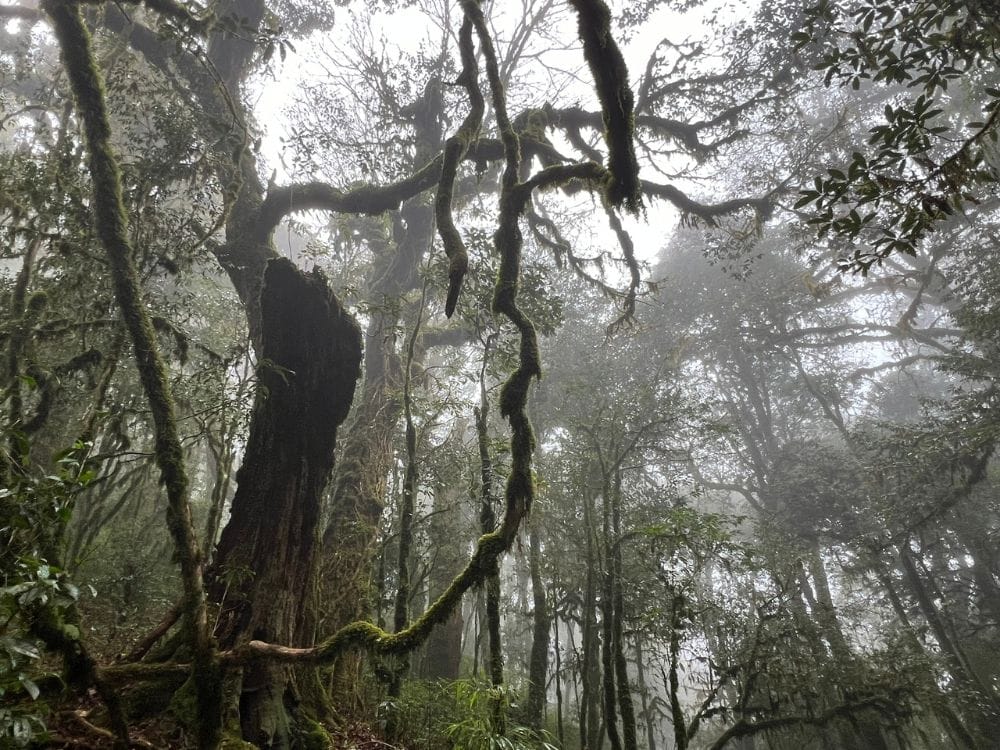
December to February: a season of mist, cold and silence
Winter in Tay Con Linh is not for everyone.
Some days the mist is thick enough to make the whole village seem to vanish. Some mornings bring deep cold: damp floors, hands numb when touching water, forest paths darker and more slippery than usual. At higher elevations, especially near the summit of Tay Con Linh, some years bring frost or a thin layer of snow.
For some people, this is a very beautiful season.
Beautiful in a quieter way.
Fewer colors.
Harsher.
But more honest.
That said, we do not encourage all visitors to choose this season for long treks. People need to prepare more carefully — proper warm clothing, good boots, suitable fitness, and a mindset that accepts itineraries may change.
Winter should not be sold on romance.
It needs to be described accurately.
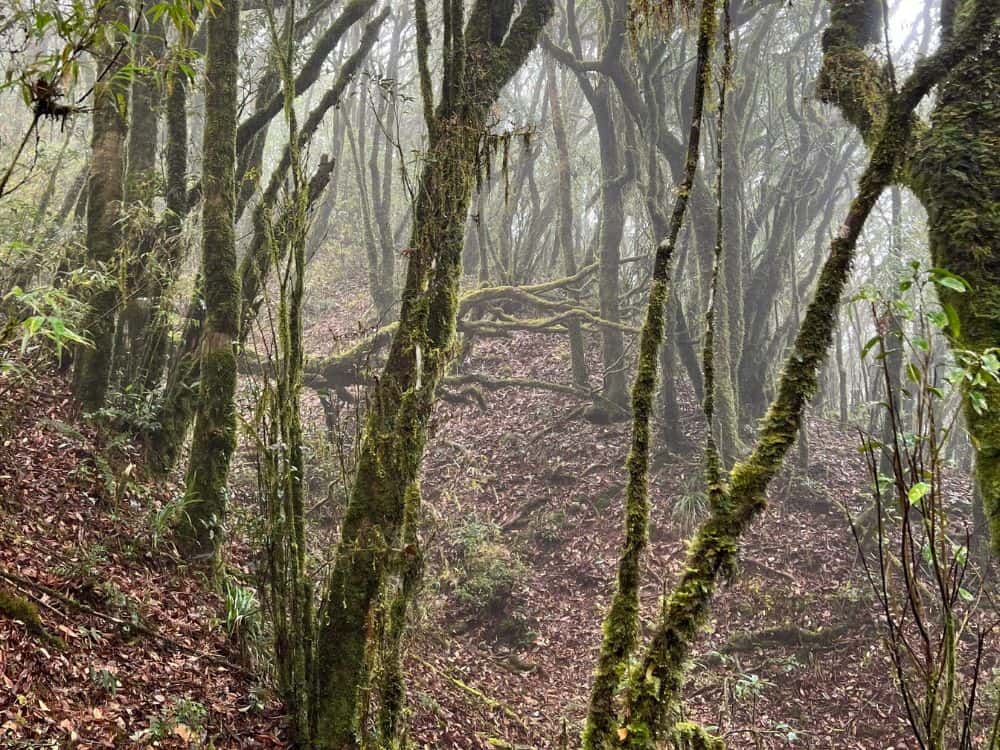
March to April: a season of transition
This is the period when the mountains begin to soften after the cold.
Trees come to life again. The air loses its edge. Some routes become more pleasant. The villages seem to wake slowly after months of heavy mist.
But this is not a highly stable season.
Some days are beautiful.
Some days are damp.
Some days still carry heavy mist.
Some days the paths are still slippery.
For visitors who prefer slow walking, watching village life, drinking tea, being in the forest, and not needing too many « highlights » — March to April can be very worthwhile.
Not spectacular.
But deep.
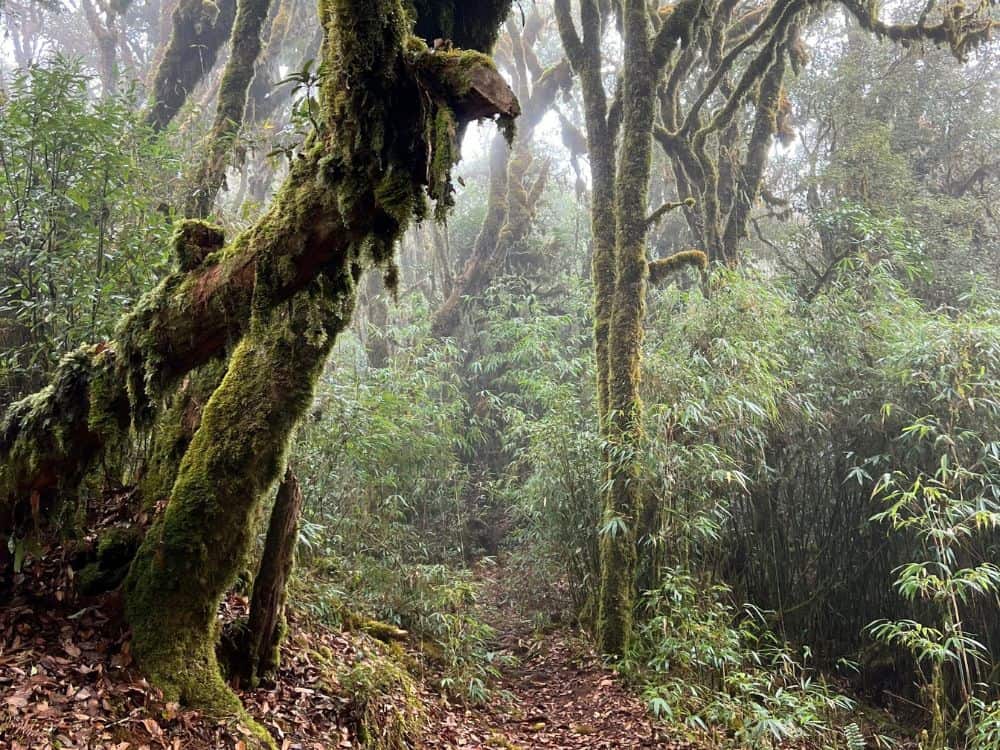
May to August: the season requiring most care
This is the period when we are most cautious about deep-forest trekking, river crossings, steep soil slopes and routes with landslide risk.
More rain. More slippery. Streams can rise faster. Heavy rain upstream can change conditions on the path below.Steep earth slopes, mossy rocks, dense forest and little-used trails all need to be assessed day by day.
This season has its own beauty.
The forest is deeper green. Clouds sit lower. More water. Landscapes more alive.
But precisely because the forest is full of life, people must be more careful.
We do not want to sell the rainy season as an adventure.
If conditions are not right, we will adjust routes, shorten the itinerary, change activities, or cancel part of the trip.
A changed trip is not always a failure.
Sometimes it is the right decision.
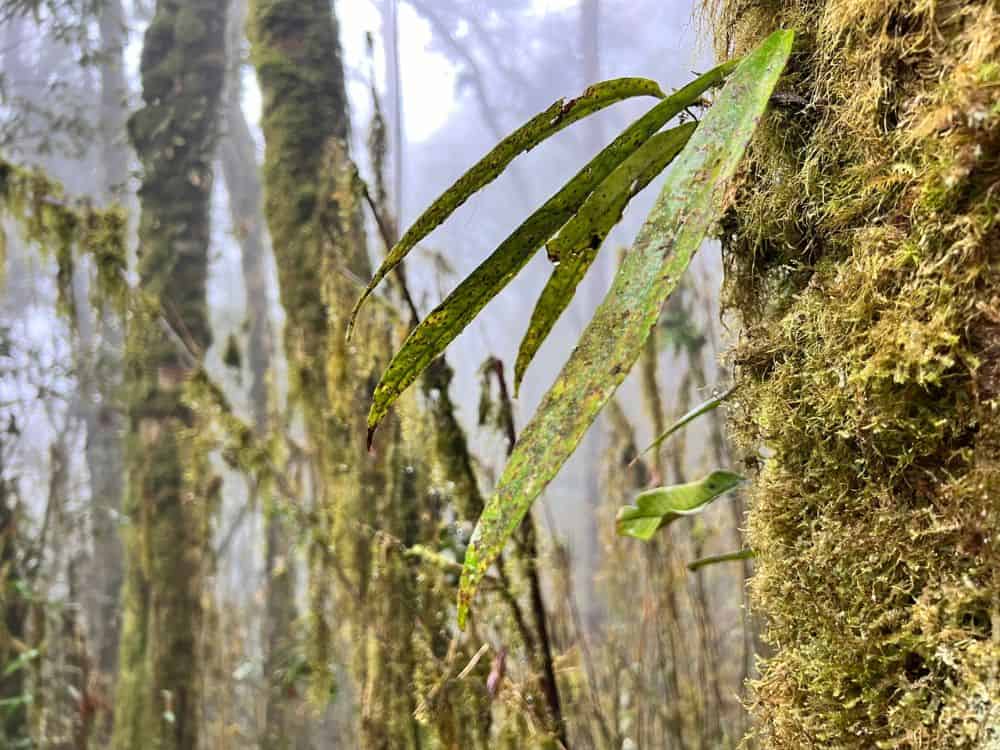
The best season depends on what you are looking for
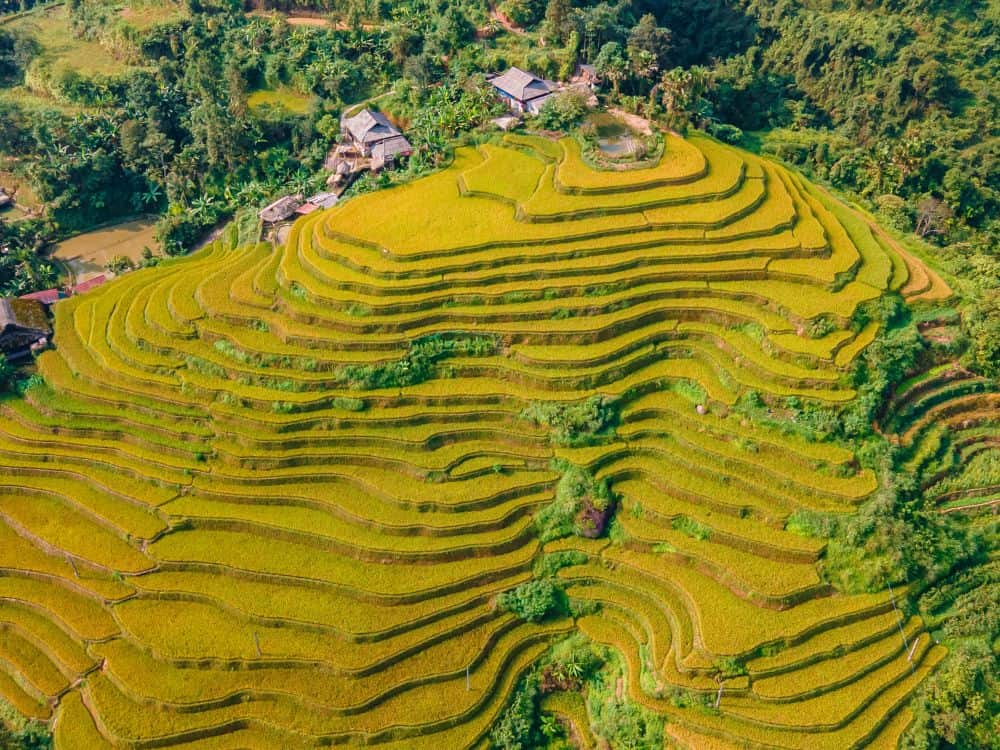
If you want easy walking, meeting local people, looking at terraced fields, drinking tea and feeling the rhythm of highland life — many seasons in the year can work.
If you want long trekking, going deep into the forest, reaching altitude, or accessing more difficult routes — the timing should be chosen more carefully.
If you want to photograph, you might prefer the misty season.
If you want safety and easier going, you should choose the drier season.
If you want to understand what real mountain life looks like, you must accept that beauty and difficulty usually come together.
Tay Con Linh is not a stage with the lights already on for tourists.
It is a living mountain range that changes with seasons, rain, mist, soil, forest — and things people cannot control.
What TVPalm Can Do
We can advise on timing better suited to each visitor, each age, each physical condition and each set of expectations.
We can be honest about weather risks.
We can design alternative routes when conditions no longer allow the original plan.
We can decline an itinerary if we think it is unsafe or creates unnecessary pressure on the forest and community.
We can help visitors understand that nature is not an on-demand service.
But we cannot — and will not — promise that any season is always beautiful.
What We Will Not Do
We will not call the rainy season an adventure if real conditions are not safe.
We will not encourage visitors to attempt high-altitude routes just because they booked in advance.
We will not say that every month is equally ideal.
We will not hide the cold, the mist, the slippery paths, the heavy rain, or the possibility of schedule changes.
We also do not want to make Tay Con Linh a place only worth visiting at its « most beautiful ».
Because if you only look for the most beautiful season, you very easily miss the most honest ones.
A mountain does not need to be perfect
Some days in Tay Con Linh are very beautiful.
Some days are not.
Some days you see the mountains.
Some days you see only mist.
Some days you can go far.
Some days you have to turn back early.
But if you come here with respect, you will understand that the value of these mountains does not lie in always pleasing those who visit.
Its value lies in still being itself.
There is no most beautiful season in Tay Con Linh.
Only different seasons, teaching people different ways of seeing.
And sometimes the most memorable trip is not the one with the finest weather.
It is the one that taught you to be more humble before a mountain range.


