

Conquering the 2,427-meter summit of Mount Tay Con Linh – the « Roof of Northeast Vietnam » – demands a specialized gear selection capable of handling a relentless +2,050m vertical ascent, slick red clay terrain, and extreme temperature swings from 34°C subtropical valleys to 0°C alpine ridges.
Drawing from hundreds of expeditions led by TVPalm Adventure, this authoritative guide presents the top 12 essential gear items you must pack. Each piece is calibrated for the mountain’s dense cloud forests, indigenous Dao homestay nights in Xa Phin, and high-altitude ridge survival.
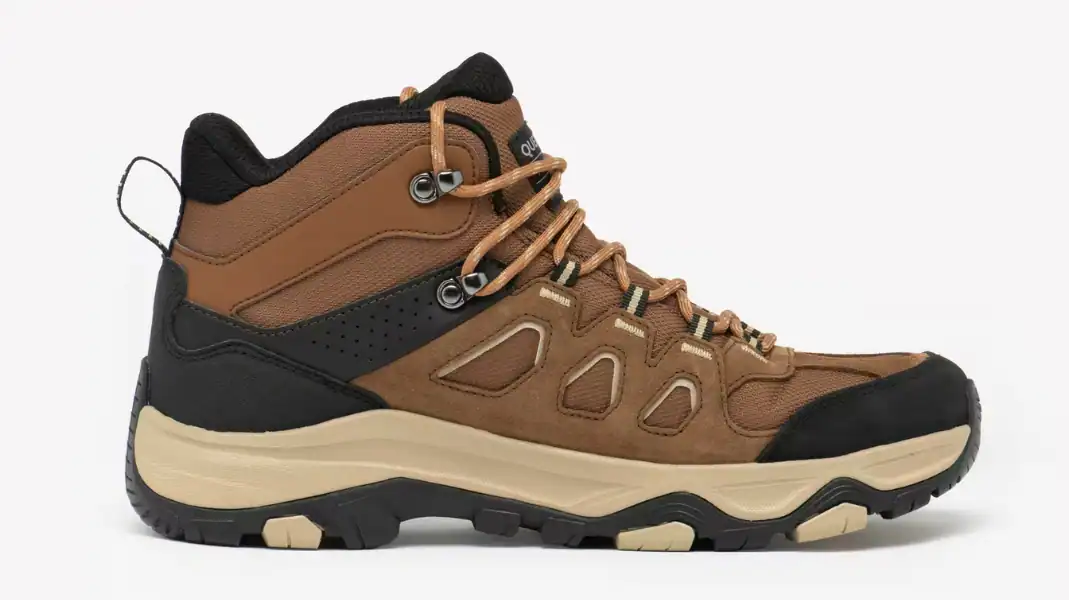
1. High-traction waterproof trekking boots with 5mm+ lugs
Your boots are your primary safety interface with Mount Tay Con Linh’s rugged terrain.
The mountain’s granite massif is covered in thick red clay topsoil that turns into a slick mud chute during rains. Standard running shoes or smooth-soled trainers will cause continuous slipping and severe ankle rollover. Invest in mid-to-high-cut waterproof hiking boots with aggressive 5mm+ multidirectional rubber lugs (such as Vibram Megagrip or Salomon Contagrip). Ensure your boots are broken in at least 2 weeks before arrival to prevent debilitating blisters during the steep 32-kilometer circuit.
2. Adjustable carbon-fiber or aluminum trekking poles
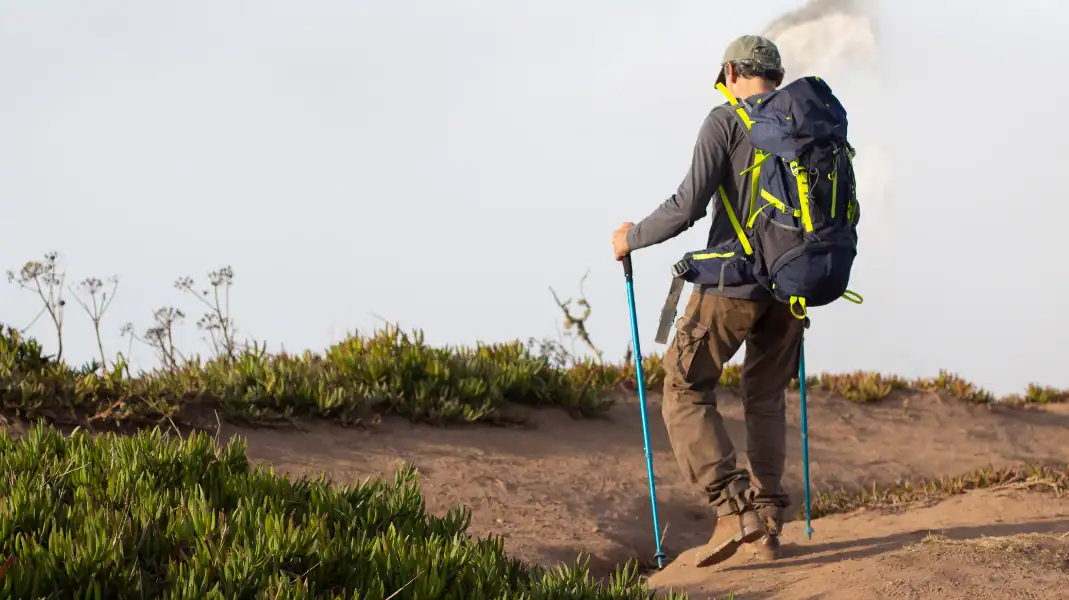
Trekking poles are indispensable for joint preservation and balance across technical slopes.
Ascending +2,050m and descending -1,400m on Day 3 places immense pressure on knees and lower back muscles. A pair of telescoping trekking poles transfers up to 25% of the downward load to your upper body, maintains cadence on steep climbs, and provides essential 3-point stability when crossing wet fallen logs, slippery boulder fields, and rushing mountain streams near Huou Waterfall.
3. Moisture-wicking next-to-skin base layers
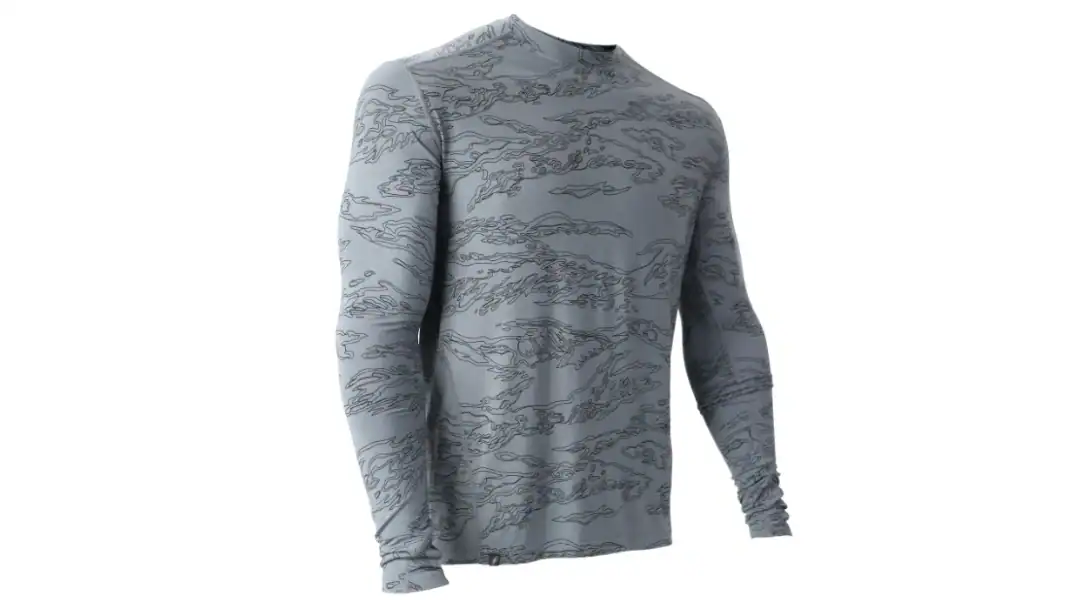
Effective thermal regulation begins with synthetic or merino wool base layers.
Never wear pure cotton garments on Tay Con Linh, as cotton absorbs perspiration, stays damp for hours, and rapidly accelerates hypothermia when mountain winds pick up. Pack 2 lightweight (150-200 gsm) long-sleeve shirts made of merino wool or high-performance polyester. Long sleeves also shield your arms from dense dwarf bamboo scratches, stinging nettles, and highland sun exposure in open clearings.
4. Ultralight packable 800-fill-power down jacket
Sub-tropical daytime warmth at the foot of the mountain drops sharply at high elevations.
At the 1,900m High Ridge Camp and during the 05:30 AM summit assault at 2,427m, temperatures frequently plummet to 0°C to 8°C in winter and 14°C to 16°C in summer, intensified by gusting ridge winds. A compact, 800-fill-power down jacket provides exceptional warmth-to-weight ratio, compressing down to the size of a water bottle inside your daypack until needed for camp dinners and sunrise photography.
5. Breathable 10,000mm+ waterproof hardshell rain jacket
Tay Con Linh receives 2,500mm to 3,000mm of annual rainfall, creating sudden tropical downpours and perpetual canopy condensation.
A high-performance waterproof hardshell jacket featuring a minimum 10,000mm hydrostatic head rating, fully taped seams, and a storm hood is mandatory. Opt for jackets with underarm ventilation zips (pit zips), allowing body heat and moisture vapor to escape during arduous uphill sections without letting outside rain penetrate.

6. Knee-high tightly woven leech gaiters
Protecting your lower legs from rainforest land leeches ensures a comfortable trek.
Tropical land leeches (vat rung) are active in damp leaf litter and lower bamboo zones below 1,800m elevation. Specialized knee-high canvas leech socks create an impenetrable physical barrier over your regular hiking socks and trousers. Combine these gaiters with high-concentration DEET repellent (30% to 50%) sprayed around boot collars and lower pant hems.
7. Heavy-duty 20L to 30L roll-top waterproof dry bags
Keeping your dry clothes and electronics protected is essential in cloud rainforests.
Even water-resistant backpacks leak through zippers and stitching during prolonged mountain downpours. Packing your spare clothes, sleeping layers, passport, and charging power banks inside heavy-duty silicone-coated roll-top dry bags guarantees that you always have bone-dry clothing waiting for you at the evening homestay or summit camp.
8. Ergonomic 30L to 40L daypack with integrated rain cover
A properly fitted daypack carries your essentials comfortably without restricting movement. Because TVPalm porters transport heavy group camping gear, food supplies, and main bags, you only need to carry a lightweight 30L to 40L daypack (target weight: 5kg to 7kg). Look for a pack with padded hip belts to transfer weight from your shoulders to your pelvis, side mesh pockets for water bottles, and an integrated high-visibility rain cover.
9. 2-liter hydration bladder and electrolyte replacement packets
Staying thoroughly hydrated prevents muscle cramps and combats high-humidity fatigue. Relative humidity in the dense primary rainforest regularly reaches 90%, causing substantial sweat and electrolyte loss during steep vertical climbs.
Carry a 2-liter hands-free hydration bladder or durable bottles, and mix 2 to 3 electrolyte replacement salt packets into your water daily to maintain proper mineral balance and prevent dehydration headaches.
10. High-lumen USB-rechargeable LED headlamp
Reliable trail illumination is vital for pre-dawn summit pushes and camp safety. Conquering the 2,427m summit for sunrise requires starting the final ascent at 05:30 AM in pitch darkness along narrow forest trails.
A powerful headlamp delivering 300+ lumens with a wide flood beam keeps both hands free for trekking poles. Bring a dedicated 10,000mAh power bank to recharge your headlamp, smartphone, and GPS devices.
11. Wilderness first-aid kit with hydrocolloid blister care
Immediate medical self-reliance is critical on remote mountain slopes hours from town. Carry a compact personal medical kit equipped with hydrocolloid blister dressings (Compeed), sterile antiseptic wipes, zinc-oxide adhesive tape, elastic compression bandages for minor ankle sprains, ibuprofen for joint inflammation, and personal prescription medications.
12. UV protection essentials
High-altitude solar radiation on exposed ridge clearings requires proactive protection. While much of the trek winds through dense jungle canopy, high-altitude clearings, tea plantations, and the 2,427m granite summit expose hikers to intense UV rays. Pack a wide-brimmed safari hat, polarized UV400 sunglasses to cut through mountain glare, and sweat-resistant SPF 50+ sunscreen.
« The golden rule of packing for Tay Con Linh is redundancy and protection against moisture and cold. By carrying these top 12 items, you stay dry in torrential downpours, protected against leeches, warm at the 2,427m summit, and agile on the trail. » – Van Trung Nguyen, Lead Expedition Director at TVPalm Adventure
Master gear comparison matrix across Tay Con Linh elevation zones
| Gear Item | Valley Foothills (100m – 700m) | Cloud Forest (700m – 1,800m) | Summit Ridge (1,800m – 2,427m) | Primary Function |
|---|---|---|---|---|
| Vibram Lugged Boots | Essential (Stone paths) | Critical (Deep red clay mud) | Critical (Wet granite rock) | Foot traction & ankle stability |
| Trekking Poles | Optional | High utility | Critical (Steep descent load) | Reduces 25% knee impact |
| Wicking Base Layer | High (Ventilates sweat) | High (Prevents chills) | Critical (Thermal insulation) | Core temperature regulation |
| 800-Fill Down Jacket | Not needed | Evening warmth in camp | Critical (0°C to 8°C sunrise) | High-altitude warmth |
| 10,000mm Rain Jacket | Rain protection | Rain & mist protection | Wind & storm protection | Keeps core 100% dry |
| Leech Gaiters | Moderate (Wet grass) | Critical (Bamboo zones) | Low (Alpine zone) | Blocks jungle leeches |
| Roll-Top Dry Bags | Luggage protection | Critical | Critical | Protects electronics & clothes |
| 300+ Lumen Headlamp | Homestay navigation | Evening camp chores | Critical (05:30 AM summit push) | Hands-free night illumination |
Complete pre-departure packing checklist
Review this final checklist before heading out from TVPalm Ecolodge:
- High-traction waterproof trekking boots (broken in with 5mm+ lugs).
- Pair of adjustable carbon-fiber or aluminum trekking poles.
- 2 moisture-wicking synthetic or merino wool long-sleeve base shirts.
- 1 mid-layer fleece jacket and 1 packable 800-fill down jacket.
- 1 breathable 10,000mm+ waterproof storm jacket with pit zips.
- 2 pairs of quick-dry stretch hiking pants and 3 pairs of wool socks.
- 1 pair of knee-high canvas leech gaiters and 30%+ DEET spray.
- 30L to 40L daypack with rain cover and internal roll-top dry bags.
- 2-liter hydration reservoir / bottles plus daily electrolyte salt packets.
- 300+ lumen USB headlamp with power bank and charging cables.
- Personal first-aid kit with Compeed blister pads and antiseptic cream.
- Wide-brim sun hat, polarized UV sunglasses, and SPF 50+ sunscreen.
Frequently asked questions about packing for Tay Con Linh
What is the maximum recommended daypack weight for the trek?
Trekkers should carry a daypack weighing between 5kg and 7kg (11 to 15 lbs) containing only water, rain gear, personal first aid, camera, and daily snacks. Heavy camping tents, cooking supplies, and sleeping bags are handled by TVPalm porters.
Can I store non-trekking luggage at TVPalm Ecolodge?
Yes. TVPalm Ecolodge offers secure, complimentary luggage storage in Phuong Do. You can safely leave large suitcases, laptops, and clean city clothing until you return from the mountain.
Are technical mountaineering crampons or climbing ropes needed?
No. Conquering Mount Tay Con Linh does not require technical crampons or climbing ropes. However, high-traction boots with deep rubber lugs and a pair of trekking poles are mandatory for navigating steep, slippery mud sections safely.
Written by Van Trung Nguyen, Lead Expedition Director & Licensed Tour Operator at TVPalm Adventure, Ha Giang. Providing safety compliance briefings and leading small-group eco-journeys across Northeast Vietnam since 2021.


