


Regenerative travel in Vietnam goes beyond basic sustainability by actively restoring natural habitats, revitalizing indigenous cultural heritage, and generating direct economic benefits for local communities.
Rather than merely minimizing environmental damage, conscious travelers contribute to reforestation, support community-run homestays, and fund biodiversity conservation across fragile destinations like Ha Giang.
This comprehensive guide outlines the core principles of regenerative tourism, practical ways to travel reciprocally, and inspiring community-led conservation models across northern Vietnam and beyond.
From Sustainable to Regenerative A Vital Paradigm Shift
For decades, eco-conscious travelers followed the standard Leave-No-Trace mantra: « Take only memories, leave only footprints. » While sustainable tourism seeks to minimize negative footprints, rapid tourism expansion has proven that neutral impact is no longer sufficient.
In high-density travel corridors across Vietnam, from overcrowded beaches to heavily traversed mountain roads, the sheer volume of visitors strains local watersheds, inflates living costs, and homogenizes indigenous cultural traditions.
Regenerative travel replaces neutrality with active restoration. Under this paradigm, the traveler asks not just « How do I avoid harming this place? » but « How can my presence leave this valley healthier, wealthier, and more resilient than before I arrived? » Tourism transforms from an extractive industry into a catalytic force for ecological renewal and cultural empowerment.
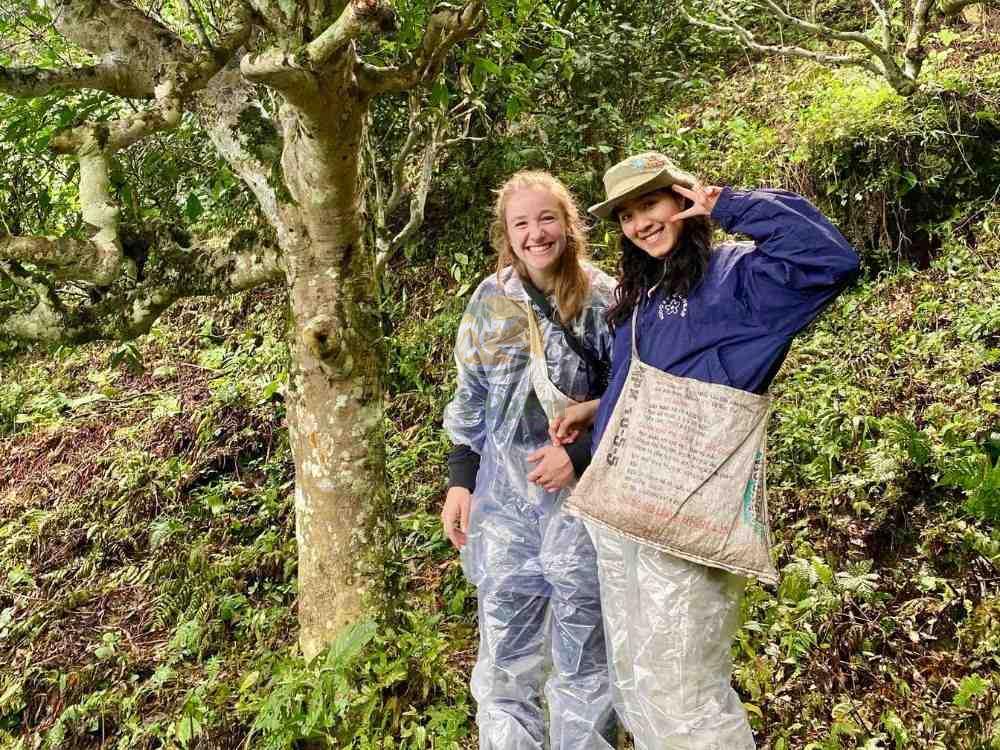
Sustainable vs Regenerative Travel in Vietnam
The table below summarizes the key distinctions between standard sustainable tourism and forward-thinking regenerative travel practices within Vietnam:
| Dimension | Conventional Sustainable Travel | Active Regenerative Travel | Practical Application in Vietnam |
|---|---|---|---|
| Core Mindset | « Do no harm » / Neutral impact | « Leave it better » / Positive net gain | Planting native trees; funding wild habitat protection |
| Environmental Focus | Reducing plastic waste and carbon | Active ecological restoration and rewilding | Restoring ancient tea canopies and forest corridors |
| Community Relationship | Observing local culture politely | Equitable partnership and knowledge exchange | Fair wages for indigenous porters; community-owned lodges |
| Economic Flow | Spending with certified green operators | 100% direct local retention of revenue | Staying in village cooperatives; eating local heirloom crops |
| Cultural Heritage | Avoiding disturbance to sacred sites | Actively reviving indigenous craft and rituals | Supporting traditional Dao weaving, herbalists, and shamans |
Four Core Pillars of Regenerative Travel in Vietnam
1. Ecological Restoration and Rewilding
Regenerative itineraries directly invest in ecosystems. In northern highland sanctuaries like the Tay Con Linh range, travelers support native tree planting and watershed protection. By partnering with forest communities, eco-tours fund community ranger patrols that safeguard endangered wildlife such as the Tonkin snub-nosed monkey in Khau Ca forest reserve.
Every participant on a regenerative Ha Giang trekking tour directly subsidizes community tree nurseries that propagate indigenous Shan Tuyet tea trees and hardwood species, re-establishing contiguous canopy corridors for native birdlife and primates.
2. Indigenous Economic Sovereignty
In conventional tourism, up to 80% of travel spending leaks out of rural host communities to corporate booking portals, urban bus companies, and foreign tour conglomerates. Regenerative tourism flips this ratio. Spending is directed entirely to local village cooperatives, family-operated homestays, and indigenous guides.
Through community-based tourism in Ha Giang, local Tay and Dao households retain full ownership of their homestays, decide tour capacities autonomously, and allocate a portion of tourism proceeds to communal health clinics and village water filtration infrastructure.
3. Cultural Revitalization Without Commodification
Rather than turning ancient rituals into staged tourist performances, regenerative travel creates economic incentives for younger generations to learn traditional arts from village elders.
When travelers value natural indigo dyeing, hemp weaving, herbal medicine, and traditional wood carpentry, these sacred practices regain prestige and economic viability within youth communities.
Visitors who practice mindful Ha Giang ethnic village etiquette engage with local families as honored guests rather than passive spectators, creating deep reciprocal cross-cultural relationships built on mutual dignity.
4. Closed-Loop Circular Hospitality
Regenerative accommodations operate as closed-loop living systems. Food is grown organically on-site or purchased from neighboring smallholders, eliminating pesticide runoff and packaging waste. Greywater is purified through gravel and reed beds, while food scraps are composted back into agricultural soil.
Staying at an organic farm stay in Ha Giang or experiencing the bioclimatic vernacular architecture at TVPalm Ecolodge demonstrates how eco-friendly lodge design in Vietnam harmonizes natural timber, split bamboo, and stone to cool spaces without carbon-heavy air conditioning.
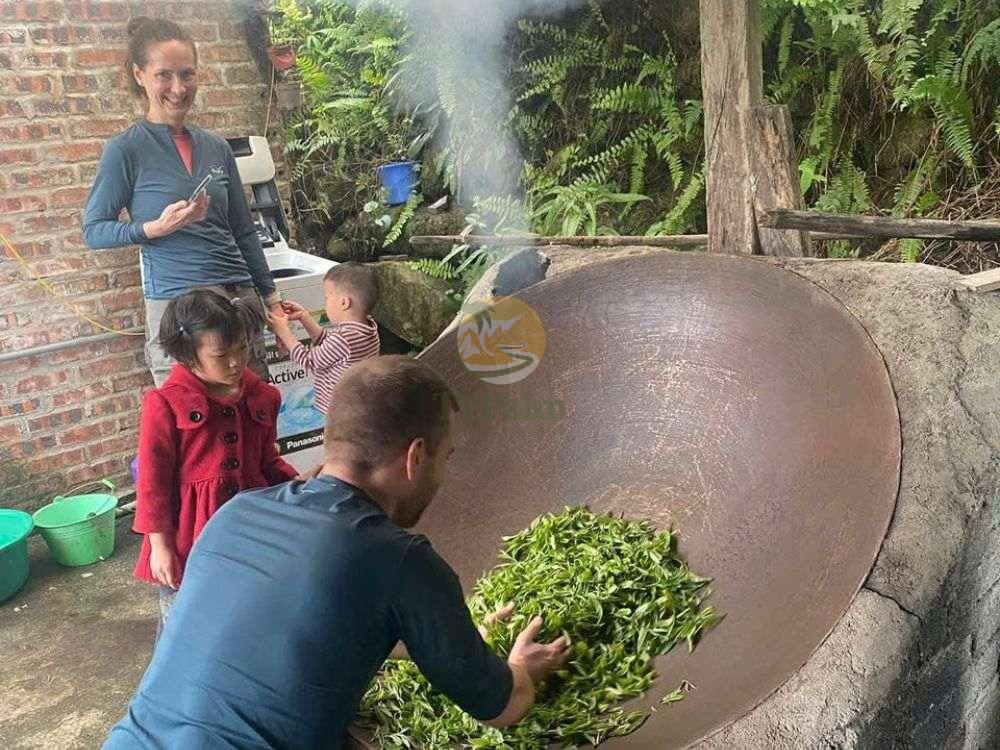
Practical Ways to Be a Regenerative Traveler in Vietnam
Transforming your travel into a regenerative force requires simple, actionable shifts in daily habits and itinerary design:
- Choose Slow, Low-Carbon Movement: Replace whirlwind multi-destination tours with slow, human-powered journeys. Trekking on foot through mountain ridges or traveling with an ethical Ha Giang Loop tour operator reduces fossil fuel emissions while fostering intimate connections with landscapes.
- Practice Zero-Waste Discipline: Eliminate single-use plastics from your journey entirely. Follow our comprehensive plastic-free travel Vietnam guide by refilling insulated bottles at 20-liter purified jugs, bringing reusable canvas tote bags, and declining disposable styrofoam containers.
- Eat Hyper-Local and Organic: Dine at family-run eateries that source ingredients from backyard gardens and local farmers. Eating native vegetables, wild ferns, and mountain sticky rice keeps agricultural biodiversity alive and protects soil from synthetic fertilizers.
- Fair Compensation for Local Labor: Always pay fair rates for local porters, guides, and homestay hosts. Tip generously for exemplary service, recognizing that these wages support children’s education and elder healthcare across rural mountainous provinces.
- Select Verified Eco-Accommodations: Base your stay at dedicated properties like TVPalm Ecolodge that employ 100% local ethnic staff, compost kitchen waste, and utilize natural spring water without single-use amenities.
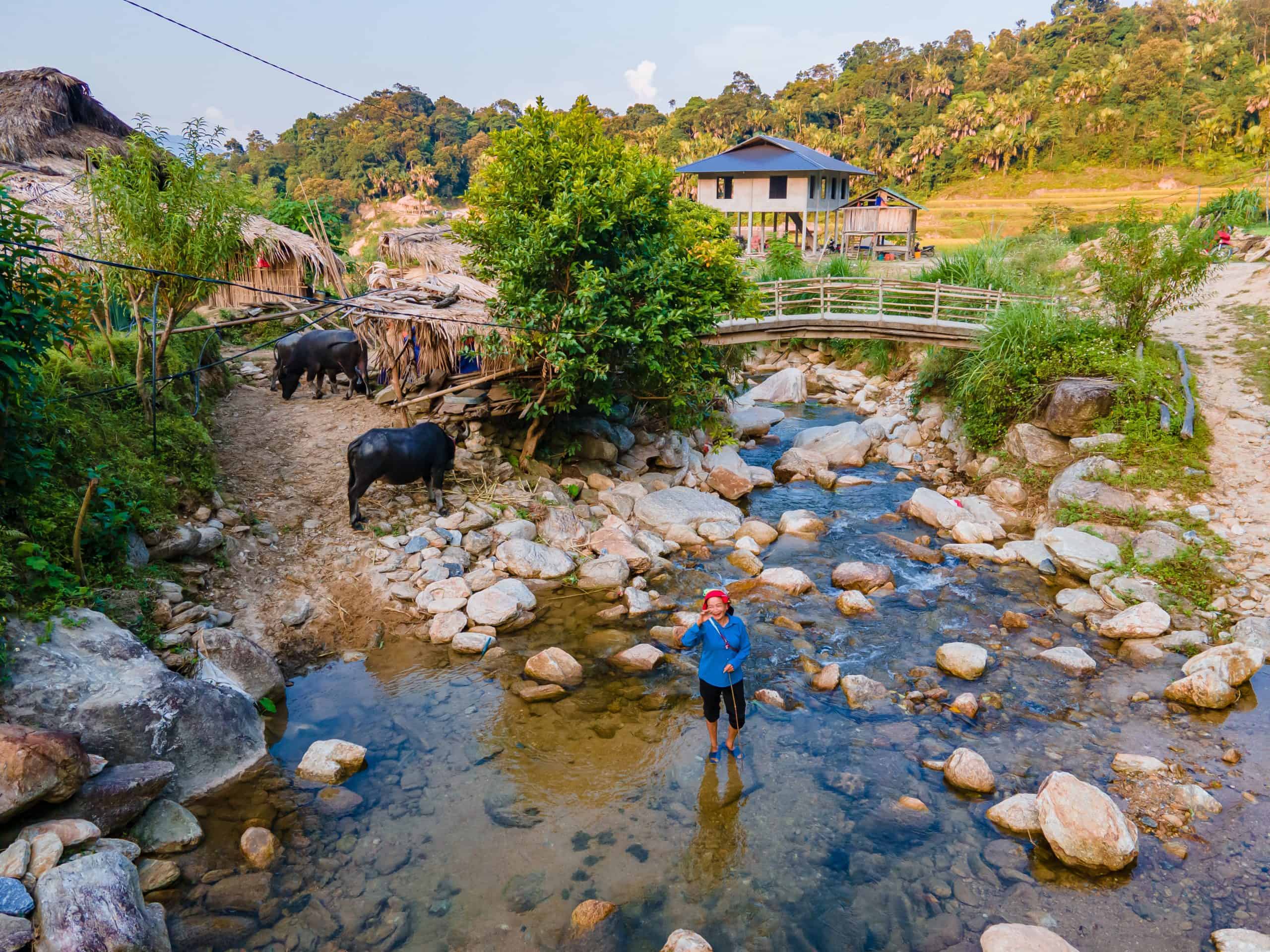
« Regenerative travel is the antidote to extractive tourism. In the mountains of Ha Giang, it means ensuring every trek funds native forest regeneration and every homestay stay keeps indigenous Dao and Tay agricultural traditions thriving. »
Văn Trung Nguyễn, TVPalm Adventure
Frequently Asked Questions
What is the main difference between sustainable and regenerative travel?
Sustainable travel focuses on minimizing negative impacts, striving for a neutral environmental footprint through practices like reducing plastic and conserving energy. In contrast, regenerative travel actively restores and improves destinations by funding native tree planting, supporting biodiversity conservation patrols, and investing 100% of tourism revenue directly into host communities.
How can I ensure my money stays in local Vietnamese communities?
To maximize local economic retention, book directly with locally owned tour operators, family-run homestays, and community cooperatives rather than international intermediaries. Hire licensed local ethnic guides and porters, dine at neighborhood street food stalls and village markets, and purchase handmade handicrafts directly from the artisan weavers and craftsmen.
Does regenerative travel cost more than budget travel in Vietnam?
Not necessarily. While regenerative travel avoids exploitative rock-bottom budget tours that cut corners on porter safety and fair wages, staying at authentic village homestays and eating fresh local market food is remarkably affordable. Paying fair prices ensures ethical working conditions while providing travelers with deeply meaningful, authentic cultural experiences unmatched by mass tourism.
Written by Văn Trung Nguyễn
Lead Expedition Director & Sustainable Tourism Advocate at TVPalm Adventure


