

Traveling plastic-free in Vietnam is entirely achievable by carrying a portable water purifier or reusable bottle, refusing single-use takeaway plastics, and shopping with reusable tote bags.
While tap water is not drinkable and street food vendors default to plastic bags, sustainable alternatives like 20-liter refill dispensers, dining in, and simple Vietnamese phrases make zero-waste exploration easy.
This comprehensive guide covers essential eco-gear, drinking water logistics, street food etiquette, and responsible travel practices across Vietnam and northern mountain routes like Ha Giang.
Why Plastic-Free Travel Matters in Vietnam?
Vietnam is one of Southeast Asia’s most breathtaking travel destinations, stretching from the tropical delta of the Mekong to the jagged limestone spires of the northern frontier. However, rapid tourism growth combined with limited rural recycling infrastructure has placed immense pressure on natural environments.
In metropolitan hubs like Hanoi and Ho Chi Minh City, municipal teams collect thousands of tons of domestic waste daily, but sorting facilities remain rudimentary.
In remote highland regions such as the Dong Van Karst Plateau and the ancient primary rainforests of Tay Con Linh, modern waste processing plants simply do not exist. Plastic bottles, disposable styrofoam takeaway boxes, and single-use plastic bags (known locally as túi nilon) frequently end up in open valley landfills or are incinerated outdoors.
Incineration releases toxic dioxins and microplastics directly into mountain air currents and pristine mountain stream catchments.
Adopting a zero-waste travel mindset directly shields these fragile ecosystems. By carrying your own reusable equipment and refusing unnecessary disposables, a single traveler eliminates between 30 and 60 single-use plastic bottles, along with more than 100 thin plastic bags during a typical two-week trip.
Essential Zero-Waste Packing Checklist for Vietnam
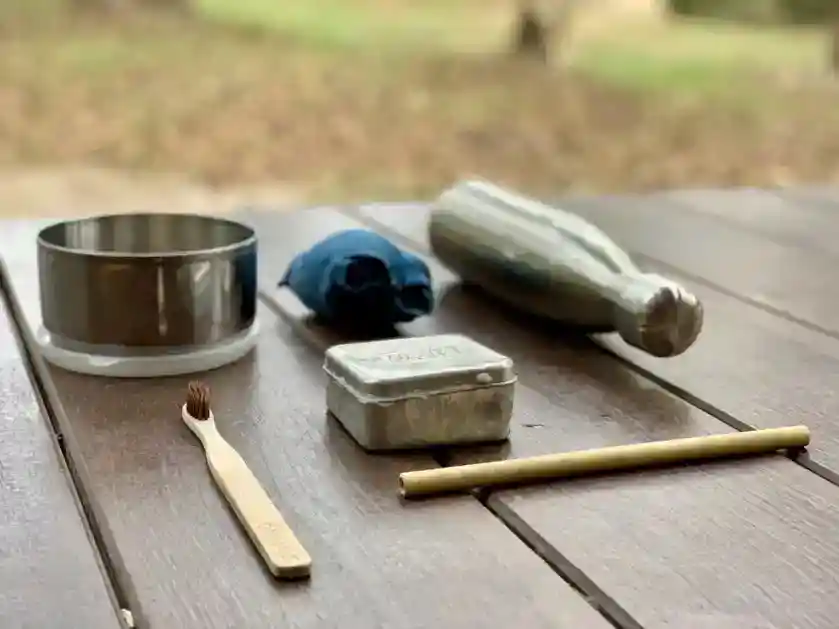
Preparation before departing is the foundation of successful plastic-free travel. Pack these lightweight, durable items in your daypack to prevent single-use waste across trains, buses, street food stalls, and mountain trekking trails:
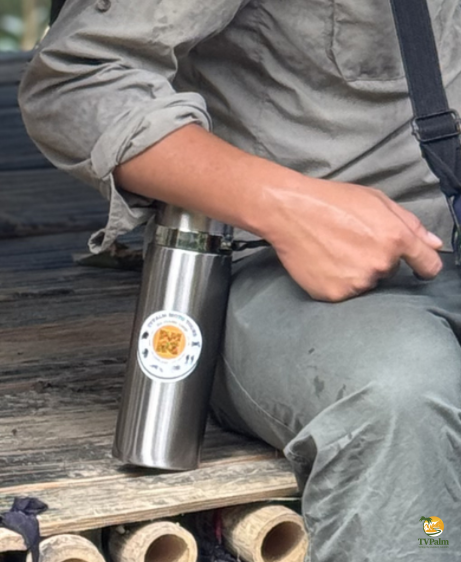
- Purifying Water Bottle or UV Filter: A heavy-duty insulated stainless steel bottle paired with an integrated purifier (such as Grayl GeoPress or Sawyer Squeeze) guarantees safe drinking water from any tap, guesthouse washroom, or mountain stream.
- Foldable Canvas or Linen Tote Bag: Vietnamese markets give away tiny plastic bags for every single item, even a single lime or chili pepper. Keep a compact cloth bag tucked into your pocket at all times.
- Portable Bamboo or Titanium Cutlery Set: A set containing chopsticks, a fork, and a soup spoon in a washable fabric sleeve eliminates disposable plastic cutlery from street carts and night markets.
- Reusable Straw (Bamboo, Glass, or Stainless Steel): Street vendors and drink stalls serve fresh coconuts, sugarcane juice (nước mía), and iced coffee with plastic straws by default. Carry your own straw and a small nylon cleaning brush.
- Leak-Proof Stainless Steel Tiffin or Food Container: Ideal for packing fresh sandwiches (bánh mì), sticky rice (xôi), or sliced fruit for bus journeys without accepting single-use styrofoam boxes (hộp xốp).
- Solid Toiletries in Metal Tins: Replace mini liquid hotel shampoos, shower gels, and body lotions with solid organic shampoo bars, conditioner bars, and natural soap. This avoids hotel plastic sachets entirely.
- Bamboo Toothbrush and Toothpaste Tablets: Standard hotel amenity kits package plastic toothbrushes inside plastic wrappers that go straight to the incinerator after one night.
- Washable Cloth Handkerchief: Replaces disposable single-use wet wipes (khăn lạnh) offered at dining tables, which are made from non-biodegradable polyester synthetic fibers.
How to Solve the Drinking Water Problem Without Plastic Bottles?
1. The 20-Liter Refill Jug Network
Almost every hotel, hostel, guesthouse, and sustainable eco-lodge in Vietnam keeps 20-liter purified drinking water jugs (brands like Lavie, Aquafina, or local reverse-osmosis purifiers) in lobbies, common corridors, and dining rooms.
Reputable accommodations provide this water free of charge or for a nominal fee (around 10,000 VND to 20,000 VND per day). Make it a strict habit to fill your bottles to full capacity before stepping out each morning.
2. Digital Water Refill Networks (RefillMyBottle & Refill Not Landfill)
The RefillMyBottle smartphone application maps hundreds of cafes, tour offices, boutique hotels, and restaurants across Hanoi, Da Nang, Hoi An, Nha Trang, and Ho Chi Minh City that welcome travelers to refill their personal bottles for free or a tiny donation. Supporting these participating venues rewards businesses actively investing in plastic reduction.
3. Personal Press Purifiers for Remote Trekking
When venturing off the beaten path into wilderness areas like the Tay Con Linh range or deep valleys along the Ha Giang trekking tour routes, 20-liter jugs are not always available at high mountain camps.
Carrying an active microbiological purifier (like a Grayl bottle) removes 99.99% of viruses, bacteria, and protozoan cysts from freshwater springs, mountain waterfalls, and rural tap water in under 15 seconds.
Single-Use vs Zero-Waste Travel Alternatives in Vietnam
The table below outlines common plastic waste items encountered across Vietnam, their environmental impact, and practical zero-waste swaps for conscious travelers:
| Travel Context | Single-Use Waste Problem | Eco-Friendly Zero Waste Swap | Practical Action & Where to Find |
|---|---|---|---|
| Hydration | 3-4 PET water bottles daily | Insulated stainless steel bottle + Grayl purifier | Refill from 20L hostel carafes or use RefillMyBottle app |
| Street Beverages | Plastic cup, plastic dome lid, plastic straw | Double-walled travel mug / thermos | Hand cup to vendor: « Cho vào bình này giúp tôi » |
| Local Produce Market | 5-10 ultra-thin plastic bags (túi bóng) | Cotton tote bag, reusable mesh produce bags | Unpack bag before vendor reaches for plastic |
| Takeaway Food | Expanded polystyrene box (hộp xốp) | Double-layer stainless steel tiffin container | Hand container before cooking: « Cho vào hộp này » |
| Street Dining Cutlery | Plastic spoon, wrapped disposable chopsticks | Bamboo / titanium travel cutlery set | Say no to single-use wrappers; use own clean utensils |
| Table Cleansing | Synthetic wet wipe (khăn lạnh) wrapped in foil | Organic cotton handkerchief + hand sanitizer | Decline the wet wipe; avoid paying the 2,000-5,000 VND fee |
| Bathroom Amenities | Mini hotel shampoo bottles & plastic toothbrush | Solid shampoo bar & bamboo toothbrush in tin | Decline hotel vanity packs; bring personal toiletries |
| Laundry Service | Clothes returned sealed in heavy plastic sack | Cotton laundry bag / pillowcase | Request laundry return loose inside your own cloth sack |
Street Food & Coffee Culture: Zero-Waste Strategies
Dine In Instead of Taking Away
The easiest way to eliminate 100% of street food packaging is to sit down at the stall. When you eat on-site (ăn tại chỗ), vendors serve food in durable ceramic bowls or stainless steel plates, accompanied by reusable metal spoons and chopsticks. You enjoy your meal freshly cooked, engage with the vendor, and generate zero single-use plastic trash.
Coffee and Juice Without Disposable Cups
Vietnam is famed for its robust coffee culture, particularly iced milk coffee (cà phê sữa đá) and fresh fruit juices. Takeaway drinks are notoriously plastic-heavy, often involving a plastic cup, plastic lid, plastic straw, and a plastic bag handle carrier.
Hand your travel thermos to the barista with a polite smile before they begin brewing. The insulated wall also keeps your ice cold for hours under the tropical sun.
Buying Fresh Produce at Local Morning Markets
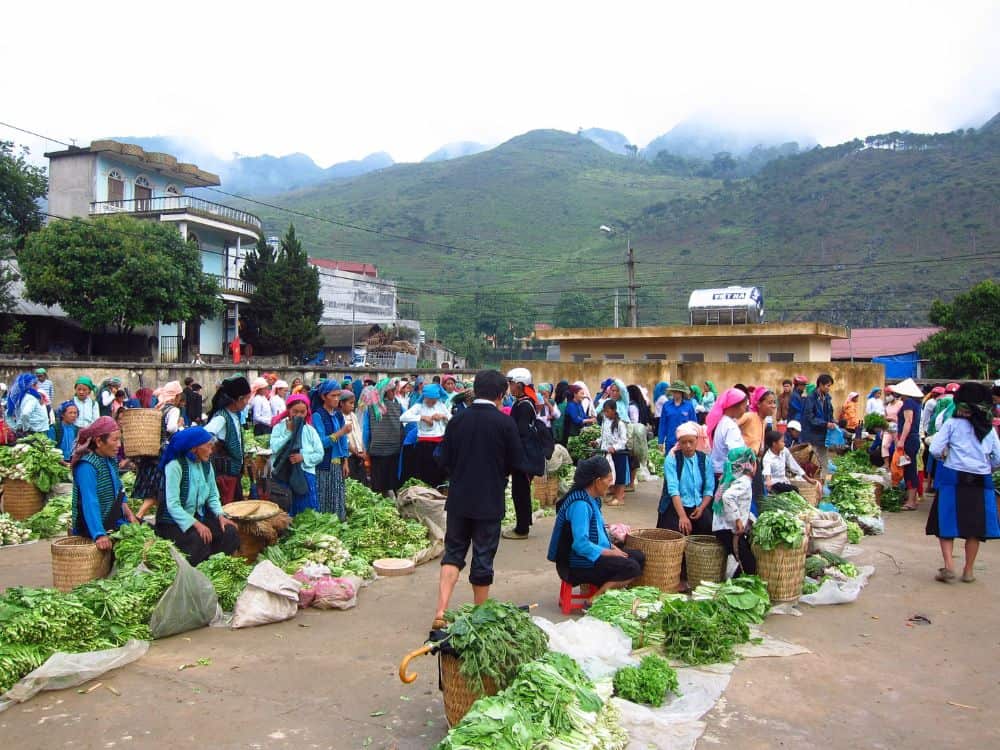
Visiting regional ethnic markets in northern Vietnam is a feast for the senses. Tropical fruits like dragon fruit, pomelos, and mangoes, along with wild highland vegetables, come with nature’s own protective biodegradable packaging.
When buying fruit, decline plastic bags immediately by showing your cloth tote bag. If purchasing pre-sliced fruit, offer your stainless steel container.
Essential Vietnamese Phrases for Refusing Plastic
Vietnamese vendors are extraordinarily warm and hospitable, and they instinctively pack purchases in plastic bags to be helpful. Because of this cultural reflex, verbalizing your request with confidence and friendliness makes all the difference. Save these essential phrases to your smartphone notes:
| English Meaning | Vietnamese Text | Approximate Pronunciation | When & Where to Use |
|---|---|---|---|
| No plastic bag, thank you | Không lấy túi nilon, cảm ơn | Kohng lay too-ee nee-lon, kahm uhn | Local markets, souvenir shops, convenience stores |
| No straw, please | Không lấy ống hút | Kohng lay ohng hoot | Cafes, juice carts, coconut stalls |
| Please pour into this bottle | Cho vào bình này giúp tôi | Chaw vow been nay zoop toy | Coffee shops, juice stands, water refill points |
| Please put it in this box | Cho vào hộp này giúp tôi | Chaw vow hop nay zoop toy | Street food stalls, bakeries, takeaway meals |
| Eat here (dine-in) | Ăn tại chỗ | Ahn tie choh | Clarifying that you are sitting down, not taking away |
| No wet wipe | Không dùng khăn lạnh | Kohng zoong khahn lahny | When sitting at restaurant tables with packaged wipes |
| Take away | Mang về | Mahng veh | Standard takeaway term (use only with your own tiffin) |
Practical Communication Tip: In fast-moving markets, body language reinforces your spoken words. Hold up your cloth tote bag or uncap your reusable container before handing money to the vendor. Once a vendor sees your container ready, they will happily place the goods directly inside.
Zero-Waste Practices on the Ha Giang Loop & Mountain Treks
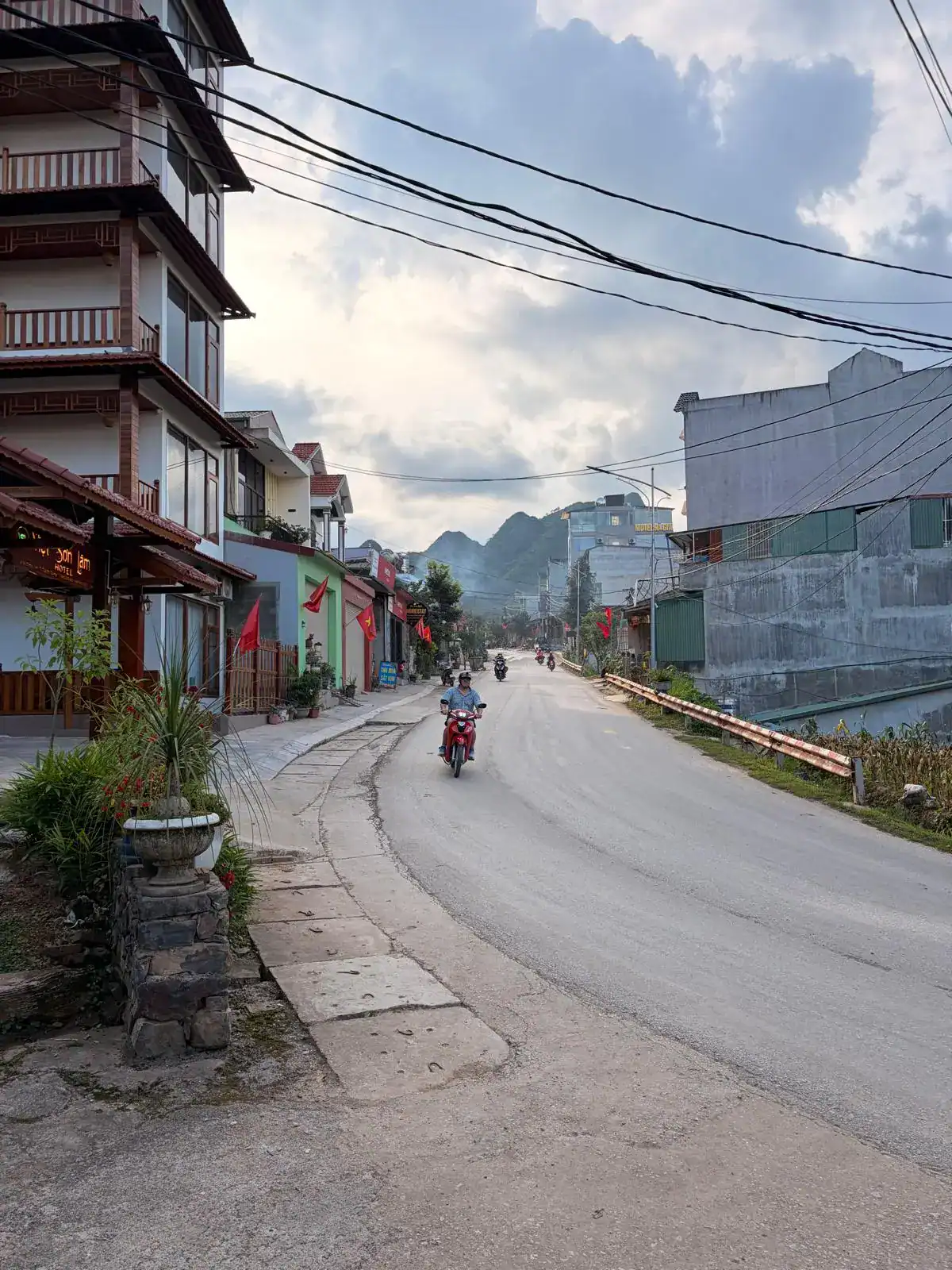
Highland adventure circuits like the Ha Giang Loop tour and rugged mountain ascents through the Tay Con Linh range require heightened environmental awareness.
Remote mountain topography makes trash removal physically challenging and expensive. Here is how to maintain strict Leave-No-Trace principles during northern mountain travels:
- Pack It In, Pack It Out: Everything carried into the mountains or onto motorbike trails must return with you to a major town with proper disposal infrastructure. Never leave snack wrappers, energy gel tubes, or plastic bottles on mountain viewpoints.
- Choose Certified Sustainable Accommodations: Book stays at properties that eliminate single-use amenities and practice active resource conservation. For instance, the best eco lodge in Ha Giang selections, such as the sustainable facilities at TVPalm Ecolodge, utilize refillable glass water carafes, natural wood and bamboo architecture based on eco-friendly lodge design in Vietnam, and fresh ingredients sourced from an organic farm stay in Ha Giang.
- Refuse Packaged Single-Use Rain Ponchos: Cheap PVC rain ponchos sold on mountain passes tear easily within 30 minutes in strong mountain winds, littering the roadside with shredded plastic. Invest in a durable, breathable waterproof jacket or a reusable heavy-duty nylon poncho that lasts for years.
- Respect Remote Ethnic Village Etiquette: When visiting small ethnic minority settlements, do not distribute cheap packaged candies or factory toys in plastic wrappers to local children. This introduces non-degradable litter into villages without waste collection systems. Refer to our Ha Giang ethnic village etiquette guide for positive ways to support local communities.
« Traveling plastic-free through Vietnam isn’t about perfection; it is about conscious daily micro-decisions. Carrying a single reusable bottle and refusing small plastic bags in local markets collectively prevents hundreds of kilograms of waste from entering delicate mountain valleys like Ha Giang. »
Văn Trung Nguyễn, TVPalm Adventure
Frequently Asked Questions
Is it really safe to drink refilled water in Vietnam?
Yes, refilling your water from large 20-liter commercial water jugs (such as Lavie, Miru, or Aquafina) in verified hotels, restaurants, and eco-lodges is completely safe. These bulk containers undergo certified multi-stage filtration and UV sterilization before distribution.
For complete self-reliance in rural homestays or mountain trekking routes, pairing a stainless steel bottle with an active filter purifier like a Grayl GeoPress removes 99.99% of bacteria, viruses, and protozoa.
How do I stop street vendors from putting my food in plastic bags?
Be proactive before the transaction starts. Hold your reusable cloth tote bag or open food container directly in front of you while placing your order.
Accompany this visual cue with the phrase « Không lấy túi nilon, cảm ơn » (No plastic bag, thank you) or « Cho vào hộp này giúp tôi » (Please put it in this box). Vietnamese vendors are friendly and happy to accommodate travelers once they understand your preference.
What should I do with unavoidable plastic waste while trekking in remote mountains?
Follow the strict Leave-No-Trace rule: pack everything out. Carry a designated zippered dry bag or reusable pouch inside your backpack specifically for storing food wrappers, medical seals, and sanitary waste.
Keep this waste securely in your pack until you return to a major township or certified eco-lodge equipped with organized sorting and collection services. Never discard plastic into campfire pits or scenic mountain ravines.
Written by Văn Trung Nguyễn
Lead Expedition Director & Sustainable Tourism Advocate at TVPalm Adventure


