

Traveling plastic-free in Vietnam is an achievable commitment that preserves fragile landscapes from coastal shores to northern peaks. While single-use plastics remain common at convenience stalls and markets, simple daily habits cut waste effectively.
As founder of TVPalm Ecolodge, I created this guide to help you travel without plastic. You will navigate clean drinking water, local street food, and mountain trekking sustainably.
Why Plastic-Free Travel Matters in Vietnam?
Reducing plastic waste in Vietnam protects aquatic ecosystems, preserves mountain landscapes, and eases strain on rural waste facilities. Rapid development has made single-use plastic packaging common across cities and transit corridors.
Vietnam produces substantial volumes of single-use plastic waste each year. While cities operate municipal collection, remote highland villages rely on small landfills. By refusing disposable plastic items, travelers prevent durable waste from entering rivers, rice terraces, and valleys.
| Single-Use Plastic Item | Sustainable Reusable Alternative | Key Environmental Benefit | Practical Travel Context |
|---|---|---|---|
| Bottled water | Insulated stainless steel bottle | Saves 3 to 4 plastic bottles daily | Road trips, hikes, and city transit |
| Plastic carrier bags | Organic cotton tote or mesh sack | Prevents bags blowing into rivers | Wet markets, bakeries, and fruit stalls |
| Plastic straws | Bamboo or stainless steel straw | Protects marine and river wildlife | Fruit smoothies, iced tea, and coconuts |
| Styrofoam containers | Stainless steel food container | Avoids non-biodegradable meal boxes | Street food takeaway and cut fruit snacks |
| Hotel toiletry bottles | Solid shampoo bars and bar soap | Eliminates miniature plastic bottles | Eco-lodges, village homestays, and hotels |
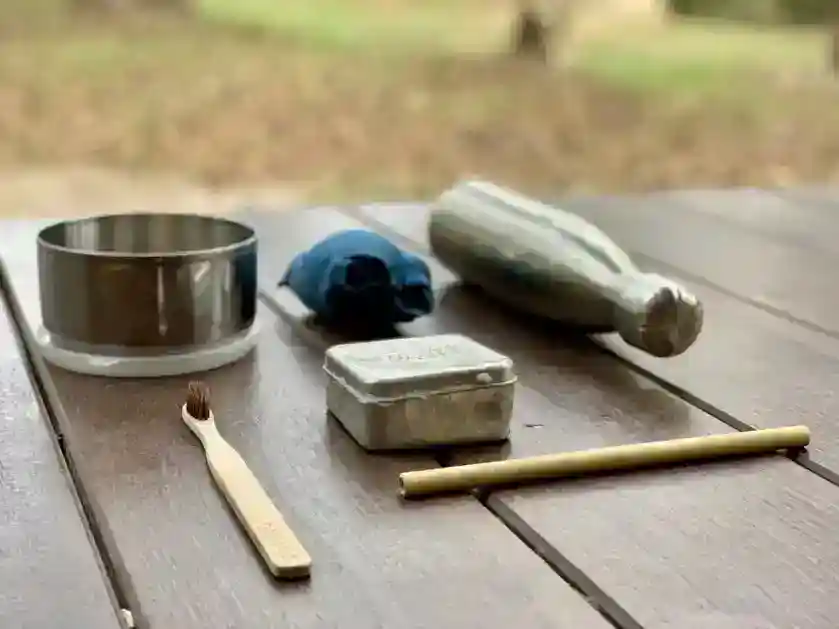
5 Essential Items for a Zero-Waste Trip to Vietnam
A compact zero-waste travel kit for Vietnam consists of five reusable essentials that replace daily single-use plastics. Assembling these versatile items before departure ensures you can decline plastic packaging from your first day.
Review this practical zero-waste packing checklist before starting your journey:
- 1. Insulated stainless steel bottle: Keeps water cold in tropical heat while refilling from 20-liter purified jugs.
- 2. Reusable cloth tote and mesh sacks: Compact cotton bags replace flimsy plastic sacks when buying fruit and snacks.
- 3. Portable cutlery set with chopsticks: Lightweight bamboo utensils allow you to decline disposable plastic spoons and chopsticks.
- 4. Leakproof stainless food container: A compact metal box holds takeaway noodles, steamed buns, or fruit securely.
- 5. Solid toiletries in aluminium tins: Shampoo bars and bar soaps eliminate miniature single-use hotel plastic bottles.
Safe Drinking Water Solutions Without Buying Plastic Bottles
Refilling from Purified 20-Liter Water Jugs
Standard 20-liter blue water jugs are ubiquitous throughout Vietnam. Hotels, homestays, and cafes purchase these reverse-osmosis jugs for daily drinking needs.
Ask your lodge reception each morning to top up your reusable bottle. Most eco-conscious accommodations offer free refills, while roadside cafes provide chilled refills for a small fee. Refilling from large jugs prevents dozens of plastic bottles from entering local landfills.
Portable Water Filters and Purifiers for Remote Trails
When traveling into remote mountains where commercial jugs are scarce, portable filtration systems ensure safe hydration. Mountain streams carry clean spring water, but upstream activity can introduce contaminants.
Hollow-fiber membrane filters or purifier bottles remove over 99.9 percent of waterborne bacteria. Carrying a portable purifier grants hydration independence during multi-day expeditions through primary cloud forests.
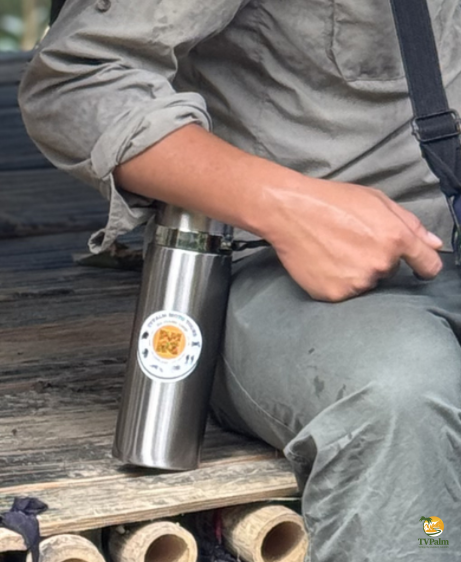
Located at the foot of Mount Tay Con Linh in Phuong Do, TVPalm Ecolodge operates on strict zero-waste hospitality principles. Guests enjoy spring water refills, organic farm dining, and private timber bungalows.
Discover TVPalm Ecolodge AmenitiesNavigating Street Food and Night Markets Without Single-Use Plastic
Dining On-Site at Local Stalls
Vietnamese street vendors serve noodle soups, savory pancakes, and spring rolls on reusable tableware. Sitting down on small stools to eat your meal eliminates plastic bags, foam bowls, and disposable utensils instantly.
When arriving, state that you will eat on-site to indicate that no packaging is needed. Dining at stalls provides access to table condiments, fresh herb plates, and complimentary iced green tea.
Carrying Your Own Food Container for Takeaway
If you prefer to eat at your accommodation or an outdoor viewpoint, hand your food container to the cook before preparation begins. Street cooks are accommodating and glad to place hot noodles or fried rice into your personal tin.
Keep a sealable container and bamboo chopsticks in your daypack. Using your own container avoids flimsy plastic bags and keeps meals warmer during transit.
Ordering Coffee and Fruit Juices Without Straws
Vietnamese iced coffee and fresh fruit juices often come with single-use plastic straws and disposable lids. Because baristas prepare drinks quickly, state your preference before preparation starts.
Request your drink without a straw with a friendly smile while showing your reusable cup. Most coffee shops happily pour drinks directly over ice into your personal tumbler.
Shopping at Highland Markets with Cloth Bags
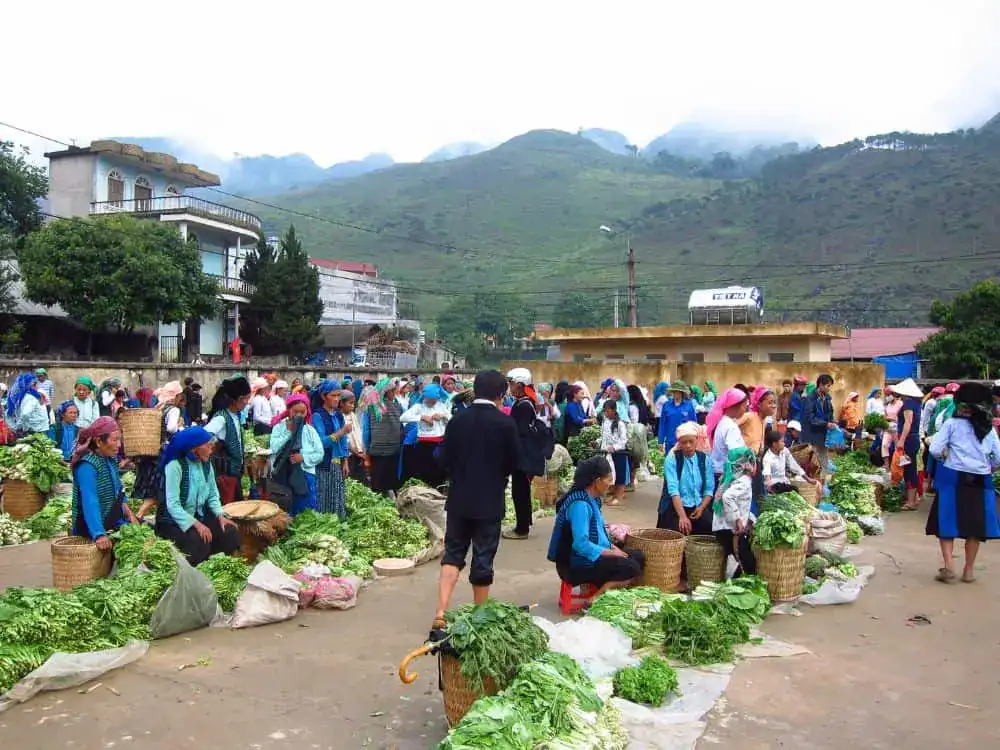
Highland morning markets feature stalls piled high with seasonal fruits, mountain greens, and herbal tea leaves. Vendors instinctively place each fruit variety into separate plastic bags.
Keep two compact cloth tote bags in your pocket when exploring markets. Politely decline extra bags while placing oranges, bananas, or passion fruit directly into your tote.
Essential Vietnamese Phrases for Refusing Single-Use Plastic
| Practical Goal | Vietnamese Phrase | Phonetic Pronunciation Guide | Situational Context |
|---|---|---|---|
| Refuse plastic straws | Khong lay ong hut | “Khawng lie owng hoot” | Ordering iced coffee, fresh coconut, or fruit juices |
| Decline plastic bags | Khong can tui nilon | “Khawng cahn twee nee-lawn” | Buying fruit, bakery items, or souvenirs at markets |
| Eat meal on-site | An o day | “Ahn uh dye” | Ordering noodle soups and street food dishes at stalls |
| Pack into your own box | Cho vao hop cua toi nhe | “Chaw vow hawp coo-ah toy nyeh” | Handing your container to vendors for takeaway food |
| Request purified water | Cho toi xin nuoc loc | “Chaw toy seen nook lawk” | Asking homestays or cafes for drinking water refills |
Zero-Waste Ethics on the Ha Giang Loop and Mountain Treks
Practicing zero-waste travel in mountainous areas like Mount Tay Con Linh requires strict pack-it-in, pack-it-out discipline because remote villages lack municipal waste processing. In high mountain hamlets, discarded synthetic materials remain in ecosystems for generations.
When trekking through primary cloud forests, carry a dedicated dry bag for personal rubbish. Never discard wet wipes, food wrappers, or plastic bottles along trails. Always pack out every piece of synthetic waste to town centers for proper disposal.
“The true measure of a mountain trek is not just reaching the 2,427-meter summit, but leaving the forest trail cleaner than you found it. When we carry our reusables and honor local traditions, we preserve Vietnam’s wild highlands for future generations.”
Nguyển Văn Trung, founder of TVPalm
Trekking Mount Tay Con Linh requires reliable gear, hydration systems, and eco-friendly packing habits. Review our comprehensive packing list for clothing, footwear, and mountain essentials.
View Tay Con Linh Packing ListFrequently Asked Questions
Is refilled water safe to drink in Vietnam?
Yes, refilling from commercial 20-liter blue water jugs is completely safe. These bulk containers undergo industrial purification, including reverse osmosis and ultraviolet treatment. Reputable hotels, homestays, and restaurants rely on this water daily for cooking and drinking.
How do I prevent street vendors from automatically bagging food?
Hold your reusable cloth bag or food container visibly in your hand before placing an order. Pair this gesture with the phrase “khong can tui nilon.” Showing your container signals to the vendor immediately that no single-use packaging is required.
What should I do with unavoidable waste during a mountain trek?
Carry a lightweight waterproof dry bag designated exclusively for personal trash. Store snack wrappers and hygiene items inside this bag until you return to an established town with formal waste collection. Never leave synthetic rubbish in village compost areas or trail fire rings.
Which regions in Vietnam lead plastic-free travel initiatives?
Hoi An Ancient Town and the Cham Islands Biosphere Reserve lead low-waste travel in central Vietnam through refill networks and plastic bag bans. In northern Vietnam, TVPalm Ecolodge in Ha Giang champions community zero-waste hospitality and plastic-free mountain trekking.
Ready to travel with positive local impact? TVPalm organizes private tailor-made trekking expeditions, wildlife conservation tours, and sustainable Ha Giang loops designed around zero-waste mountain stewardship.
Learn About Regenerative Travel in VietnamWritten by Nguyển Văn Trung, founder of TVPalm. He has led small-group trips across Northeast Vietnam since 2021.


