

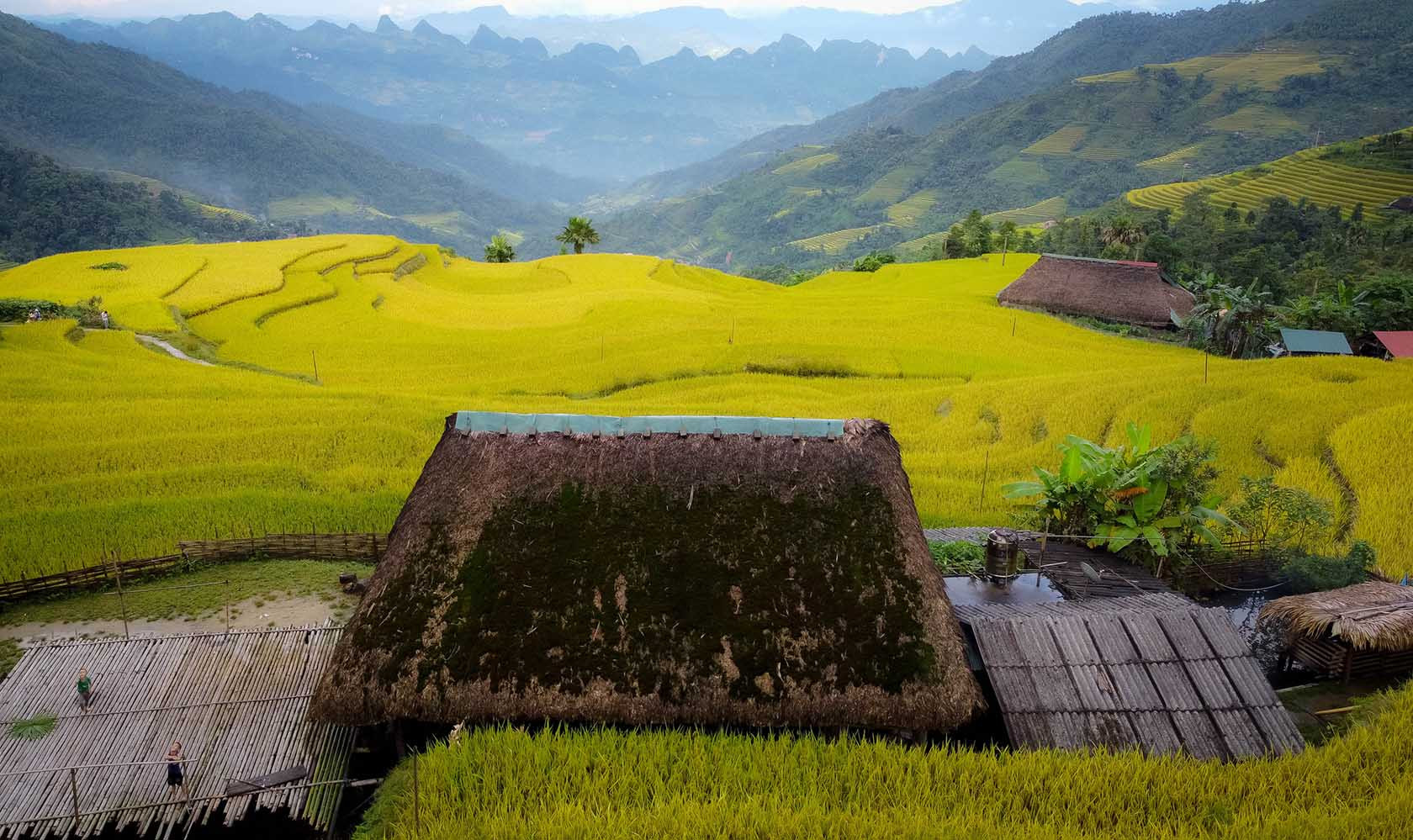
An organic farm stay in Ha Giang offers travelers an immersive rural retreat inside traditional ethnic wooden stilt houses surrounded by chemical-free terraced vegetable gardens, heritage Shan Tuyet tea groves, and natural mountain spring streams.
Unlike commercialized tourist lodges, authentic highland farmstays invite guests to harvest seasonal heirloom produce, dine on fresh farm-to-table meals cooked over wood-fire hearths, and support sustainable indigenous Dao and Tay agriculture. This guide details the best organic farmstays across Ha Giang, daily seasonal rhythms, and essential booking advice.
What Defines an Authentic Organic Farm Stay in Ha Giang?
In recent years, rapid tourism growth along the Northern mountain circuit has led many standard guesthouses to adopt the farmstay label purely for marketing. However, a genuine organic farm stay in Ha Giang operates as an active, diversified agricultural homestead where food production and environmental stewardship take precedence over commercial lodging volume.
To qualify as an authentic organic farm stay, an establishment must satisfy five foundational criteria:
- Zero Synthetic Chemicals: Crop production strictly prohibits synthetic pesticides, chemical herbicides, and inorganic nitrogen fertilizers. Soil fertility relies entirely on composted buffalo manure, plant mulch, and biochar.
- Heirloom Seed Preservation: Rather than using hybrid commercial seeds, farming families propagate indigenous varieties such as bitter mountain mustard (cải mèo), highland purple corn, native climbing beans, and fragrant upland sticky rice.
- Closed-Loop Permaculture Systems: Agricultural inputs and outputs cycle continuously. Kitchen scraps feed free-range poultry and mountain black pigs, livestock bedding enriches orchard compost, and mountain streams supply spring-fed fish ponds before irrigating terrace paddies.
- Traditional Vernacular Architecture: Guest quarters inhabit authentic elevated wooden stilt houses built from sustainably harvested regional timber, split bamboo latticework, and palm-thatched roofs, maintaining natural airflow without concrete disruption.
- Direct Ethnic Family Stewardship: Stays are managed directly by indigenous Tay or Dao Ao Dai farming households, allowing travelers to participate in daily chores, cultural rituals, and communal evening dinners.
Daily Rhythms of Highland Farm-to-Table Living
Morning Garden Harvesting
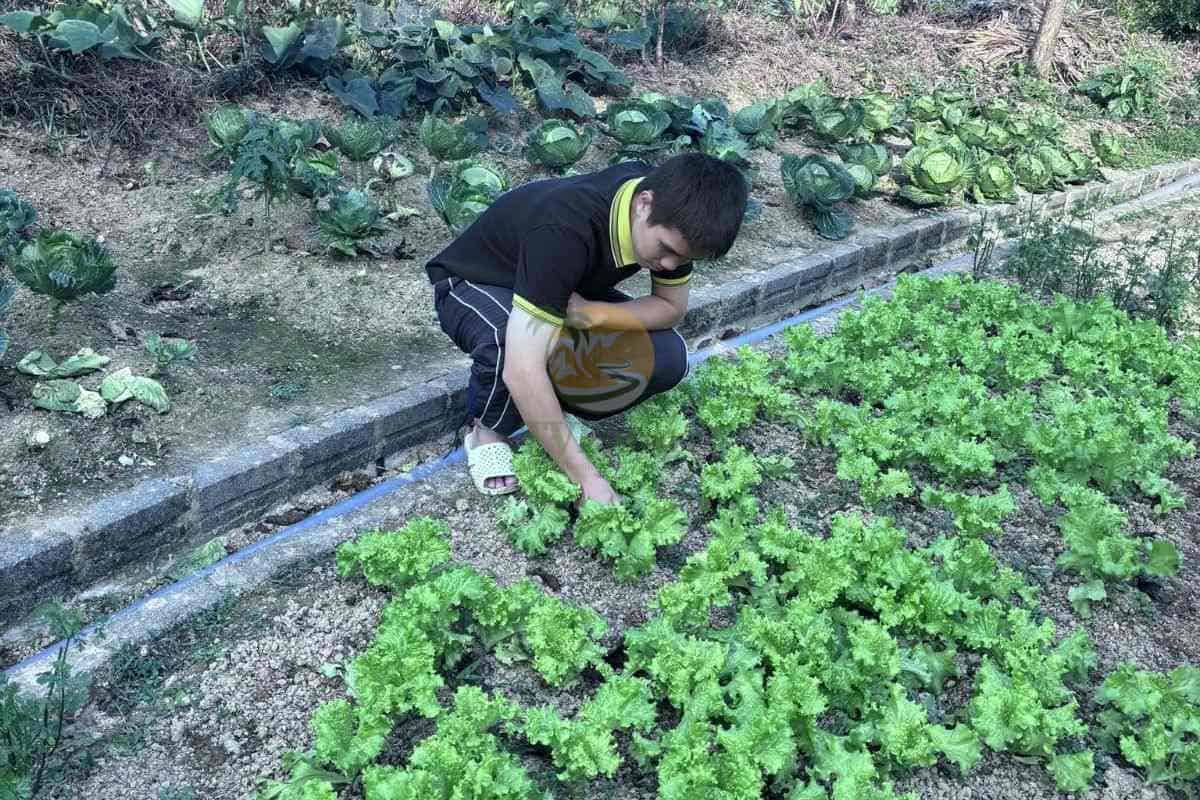
At 6:30 AM, when mountain dew still clings to broad leaves, guests grab woven bamboo baskets and accompany farm hosts into terraced plots. You pick tender shoots of cải mèo, wild mountain herbs, crisp chayote greens, and fresh garlic shoots. Farm hosts teach visitors how to harvest without damaging root systems, sharing generations of botanical knowledge about edible wild plants.
Tending Heirloom Crops and Tea Groves
During late mornings, travelers can join light agricultural tasks suited to their fitness level. Depending on the month, this may include turning soil with hand hoes, planting squash seedlings, weeding heritage tea rows, or learning traditional pruning techniques on centenary Shan Tuyet tea trees.
These activities offer profound appreciation for the intense manual labor required to maintain organic terrace yields on steep mountain slopes.
Wood-Fire Culinary Preparations
By late afternoon, the central kitchen becomes the social heart of the farmstead. Guests help wash river greens in clear spring water, grind highland spices with stone pestles, and wrap seasoned mountain pork in wild medicinal leaves.
Cooking takes place over open wood-fire stoves using cast-iron woks, infusing every dish with distinctive rustic smokiness.
Dinner is served family-style on hand-hewn low wooden tables. A typical organic feast includes stir-fried wild fiddlehead ferns (rau dớn), free-range mountain chicken poached with ginger, grilled spring-water carp, and steamed upland sticky rice, accompanied by local corn wine.
To explore provincial food heritage in depth, read our guide to must try local foods in Ha Giang.
Comparison: Organic Farm Stay vs Conventional Homestays
Understanding the differences between accommodation types helps travelers set appropriate expectations and choose options aligned with their travel values.
| Comparison Factor | Authentic Organic Farm Stay | Standard Village Homestay | Commercial Tourist Resort |
|---|---|---|---|
| Food Provenance | 90%+ grown onsite or sourced from neighboring organic plots | Mix of backyard garden produce and wholesale market goods | Commercial town markets and pre-packaged ingredients |
| Chemical Policy | Strictly chemical-free; organic certified or verified traditional | Traditional practices, but occasional commercial fertilizer use | Standard industrial agriculture sourcing |
| Guest Activities | Hands-on harvesting, tea picking, composting, cooking classes | Social dining, village walks, motorbike staging | Passive leisure, bar drinks, packaged excursions |
| Architecture | Elevated vernacular stilt timber with palm thatch roofing | Traditional or renovated wooden stilt houses with tin roofs | Multi-story reinforced concrete structures |
| Average Nightly Rate | $35 to $65 USD (often includes organic farm meals) | $12 to $25 USD (basic dormitory or private curtained room) | $80 to $180 USD (standard hotel room amenities) |
| Environmental Impact | Regenerative: composts waste, filters spring runoff naturally | Low to moderate: village waste handling | High: intensive electricity, plastic waste, concrete footprints |
Top Organic Farm Stay Destinations Across Ha Giang
Khuoi My Village and the Tay Con Linh Foothills
Perched between 800 and 1,000 meters above sea level in Vi Xuyen district, the secluded Dao Ao Dai settlement of Khuoi My represents the gold standard for agro-ecological retreats.
Fed by pristine mountain springs descending from the Tay Con Linh range, local farmers cultivate tiered rice terraces without chemical inputs, intercropping with mountain legumes and indigenous Shan Tuyet tea bushes. For detailed trail information, consult our travel guide to Khuoi My village.
« When you eat a bowl of rice or a stir-fry of mustard greens harvested thirty minutes earlier from soil fed solely by mountain spring water and composted forest leaves, food ceases to be mere sustenance. It becomes a direct healing connection to the mountain and the people who tend it. »
Văn Trung Nguyễn, Founder of TVPalm
Xa Phin Mossy Roof Village
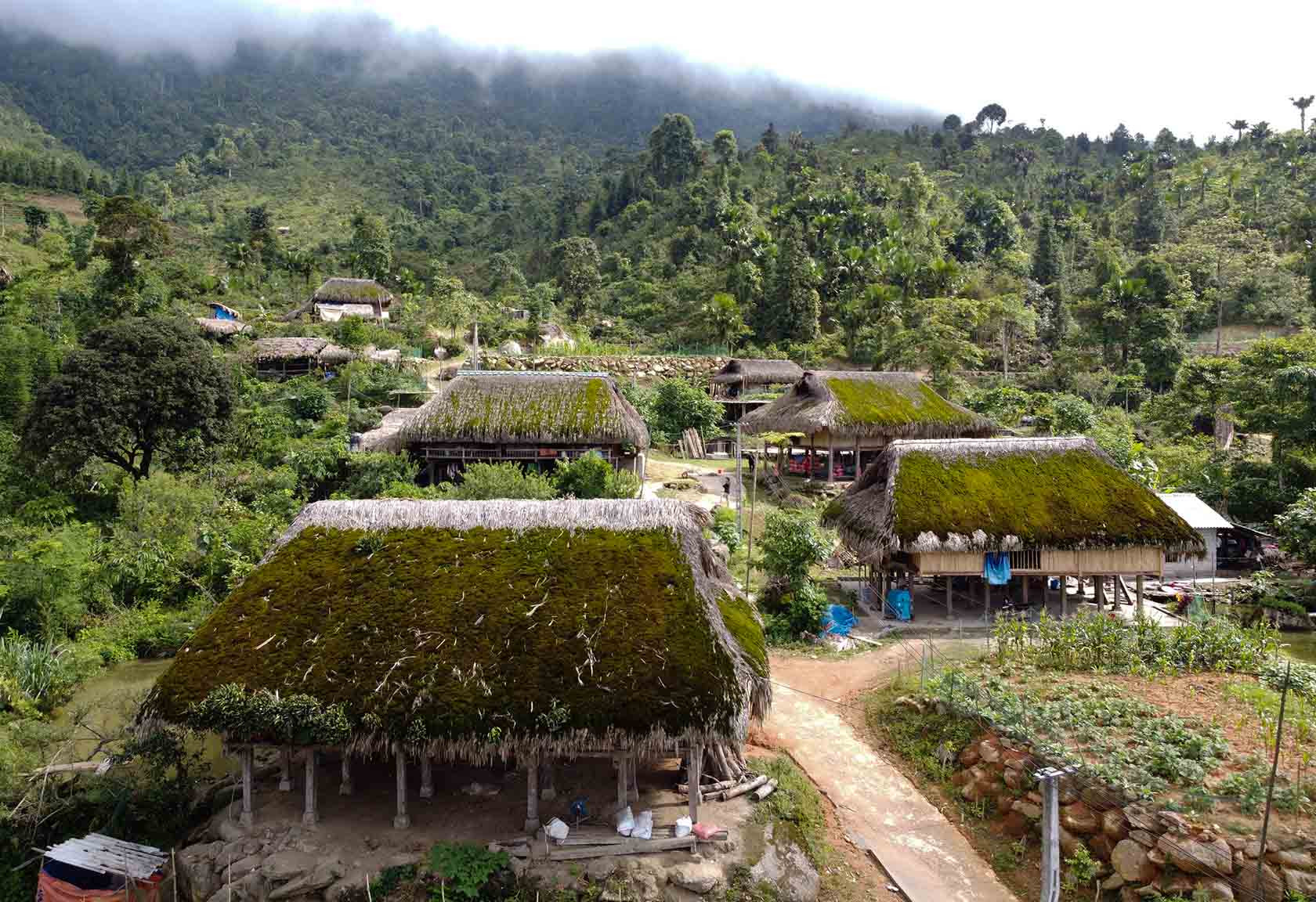
Situated slightly higher along the forested ridge, Xa Phin is famous for its hundred-year-old palm-thatched roofs blanketed in velvet green moss.
The village operates an ancient organic tea cooperative, where guests stay inside traditional farmsteads and witness ancient tea roasting rituals over charcoal pans. Learn more about trail access through our guide to Xa Phin mossy roof village, and discover ancient tea harvesting methods in organic Shan Tuyet tea cultivation.
Thon Tha Cultural Village
Located just five kilometers south of Ha Giang City, Thon Tha is an idyllic Tay ethnic commune nestled among palm groves and level paddy fields. The village enforces strict community tourism guidelines that ban loud music, plastic litter, and concrete building.
Farmstays here specialize in freshwater aquaculture, organic vegetable gardens, and heritage poultry breeding, making it an accessible first stop before venturing deeper into remote highlands.
Seasonal Farming Calendar in Ha Giang
Every season in Ha Giang brings distinct agricultural activities and culinary specialties to the farmstay table:
- Spring (February to April): Planting season. Farmers flood and plow terrace beds with water buffaloes. Mountain slopes burst with plum blossoms, wild peach flowers, and wild mountain ferns. Guests assist in seed sowing and enjoy crisp spring shoots.
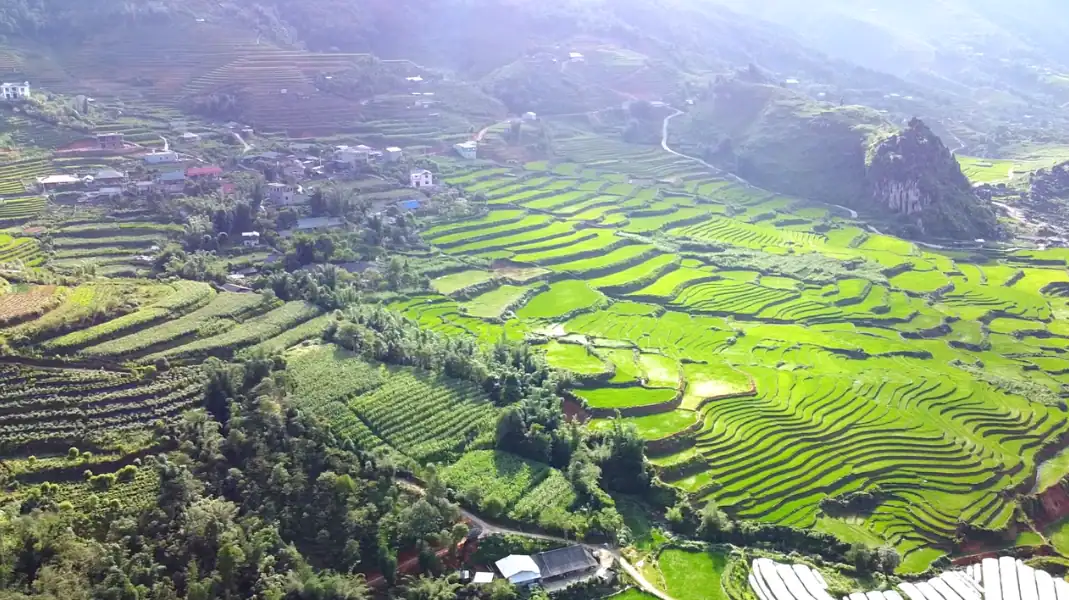
- Summer (May to July): Lush green growth. Terraced rice paddies glow vibrant neon green across the hillsides. Warm temperatures bring bountiful harvests of cucumbers, squash, sweet mountain tomatoes, and fresh river herbs. Natural spring pools offer refreshing daily swims.
- Autumn (August to October): Golden harvest. The premier agricultural season across Northern Vietnam. Rice terraces turn golden amber, filling the valleys with rich cereal fragrance. Families harvest rice by hand with sickles and gather the prized autumn flush of ancient Shan Tuyet tea.
- Winter (November to January): Soil resting and hearth warmth. Cooler temperatures suit crisp winter greens like cải mèo and hardy root crops. Evenings center around roaring hearth fires, medicinal herbal baths, and slow-braised mountain specialties.
For more accommodation inspiration and sustainable lodging principles, explore our curated reviews on the best eco lodge in Ha Giang and learn how vernacular architecture minimizes environmental impact in eco friendly lodge design in Vietnam.
If you plan to combine farm living with mountain trails, review our complete Ha Giang trekking tour selection.
Practical Tips for Booking a Ha Giang Farm Stay
To ensure a fulfilling and respectful farmstay experience, keep these practical guidelines in mind:
- Communicate Dietary Preferences Early: Authentic farmstays cook set meals based on that morning’s harvest. While mountain cuisine naturally abounds in fresh vegetables, traditional feasts include pork or poultry. Inform hosts in advance if you prefer vegetarian, vegan, or gluten-free preparations.
- Pack Practical Farm-Friendly Footwear: Highland paths between vegetable terraces and village gardens are often muddy, particularly after morning rain or dew. Bring sturdy, washable trail sandals or lightweight hiking shoes.
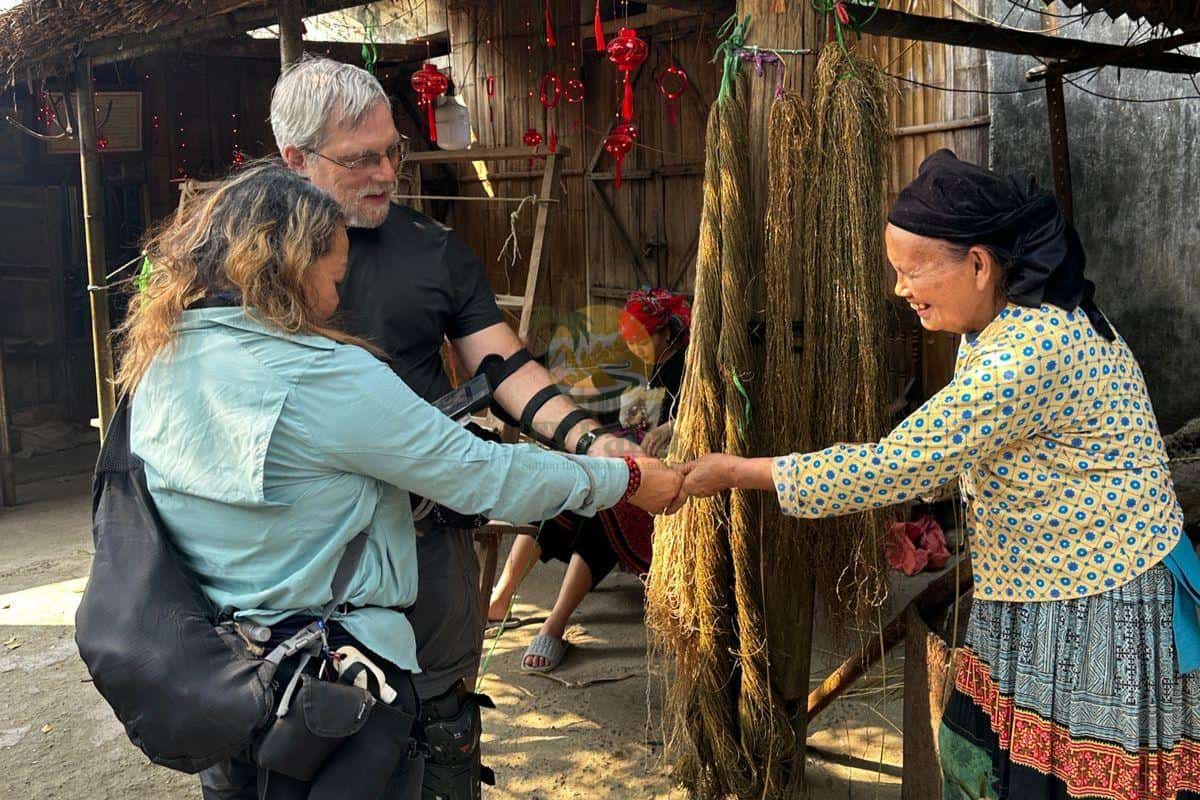
- Observe Local Village Etiquette: Always ask permission before entering family living quarters or sacred altar areas on the stilt house upper floor. Read our comprehensive guide to Ha Giang ethnic village etiquette to ensure cultural respect.
- Book Directly with Sustainable Operators: Many booking aggregators list commercial roadside motels under the farmstay tag. Look for verified community-based tourism partners and transparent descriptions of agricultural practices.
Frequently Asked Questions
Are organic farm stays in Ha Giang suitable for families with children?
Yes, organic farm stays are exceptionally rewarding for families. Children can harvest heirloom vegetables directly from garden soil, feed free-range ducks and chickens, watch traditional pond aquaculture, and observe farm life away from electronic screens. The vehicle-free environment of mountain villages provides safe outdoor exploration.
Can vegetarians and vegans eat well at a traditional highland farm stay?
Absolutely. Because authentic farmstays cultivate diverse year-round plots of mustard greens, wild ferns, bamboo shoots, tofu, and fragrant mountain herbs, vegetarian and vegan travelers often enjoy some of the most vibrant, flavorful meals of their entire Vietnam trip. Simply notify your hosts upon arrival or at booking.
Do guests have to participate in farm labor during their stay?
Participation is completely voluntary. Guests who wish to weed, harvest vegetables, or pick tea leaves are warmly welcomed by host families. However, if you prefer to relax on the stilt house veranda with a cup of freshly brewed Shan Tuyet tea and enjoy the peaceful valley views, you are entirely free to do so.


