

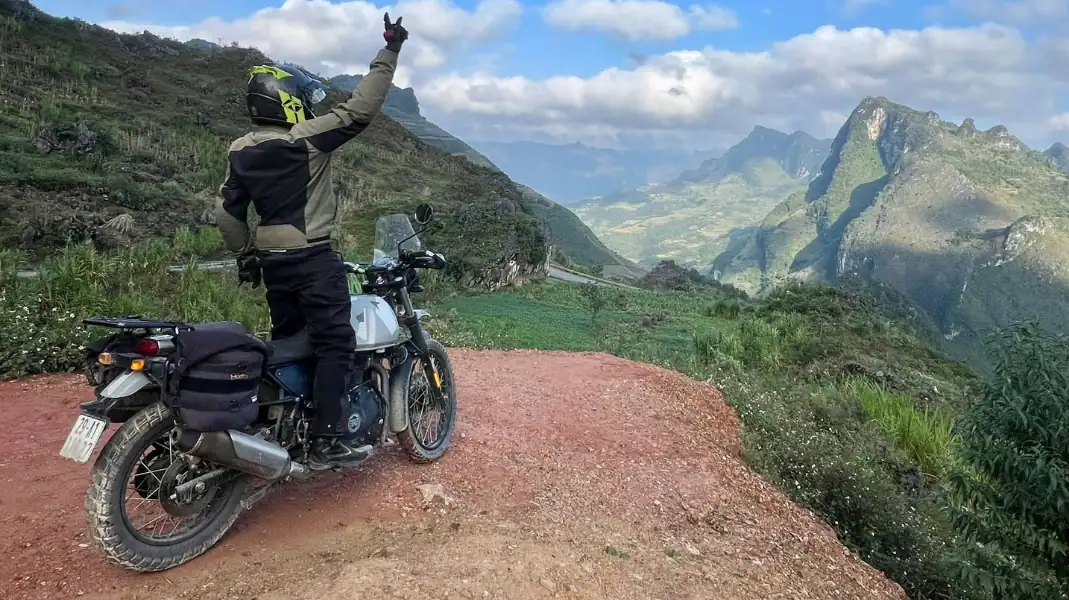
While the dry winter months attract casual hikers, hiking Mount Tay Con Linh (2,427 meters) during the summer monsoon season (June to August) is an intense, raw wilderness expedition for experienced trekkers.
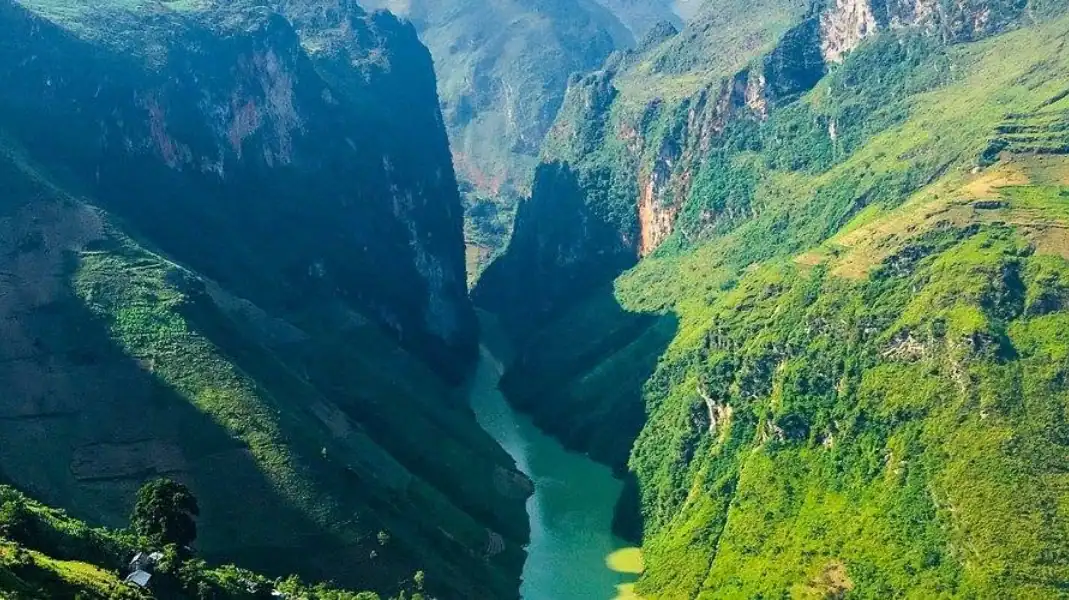
The monsoon transforms the primary rainforest into an emerald wonderland of surging mountain waterfalls, vibrant moss-covered Shan Tuyet tea groves, and dramatic cloud formations. However, navigating slick red-clay switchbacks, humid jungle canopies, swollen stream crossings, and mountain leeches demands specialized preparation and indigenous trail guidance.
The environmental reality of Tay Con Linh during the monsoon
Tropical monsoon rainfall metrics
Between June and August, the Tay Con Linh massif receives up to 70% of its annual precipitation. Heavy tropical downpours are intense but often concentrated in afternoon bursts, leaving mornings clear for high-altitude trekking.
Red clay slippage
Tay Con Linh’s deep topsoil transforms into slick, cohesive red clay under heavy rainfall. Standard road running shoes or shallow-tread footwear have zero traction. High-top hiking boots with deep rubber lugs (5mm+) and trekking poles are mandatory.
High humidity and thermal regulation in primary rainforests
Relative humidity frequently exceeds 95%. Sweat cannot evaporate efficiently, making breathable, quick-dry synthetic apparel essential to prevent overheating on ascents and hypothermia during ridge halts.
Why experienced wilderness trekkers embrace the rainy season
- Rushing Waterfalls: Jungle cascades like Huou Waterfall surge with tremendous hydraulic power, forming pristine plunge pools for swimming.
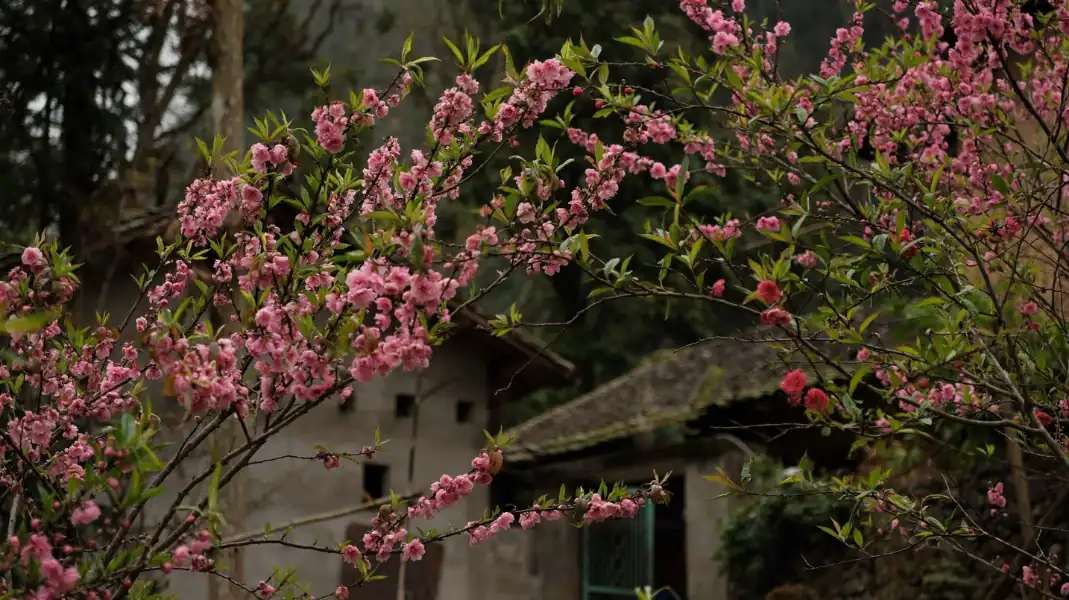
- Lush Green Landscapes: The centuries-old Shan Tuyet tea trees and moss-covered stilt roofs in Xa Phin village glow in deep emerald greens.
- Solitary Trails: You will encounter zero crowds, experiencing the mountain in its purest, most authentic natural state.
Rainy season vs dry season comparison matrix
| Environmental Dimension | Monsoon Season (June – August) | Dry Season (October – April) |
|---|---|---|
| Average Temperature | 22°C to 30°C (Humid) | 8°C to 18°C (Crisp & cool) |
| Trail Grip & Friction | Extremely slick red clay & wet roots | Firm, high-traction packed dirt |
| Waterfalls & Streams | Surging, full flow, crystal pools | Gentle trickles, clear quiet pools |
| Trail Difficulty Rating | Very Demanding (Technical) | Moderate to Challenging |
Critical mountain hazards and indigenous mitigation protocols
1. Jungle leech management
High humidity awakens land leeches in leaf litter. Wear specialized knee-high leech gaiters, tuck trousers into socks, and apply natural eucalyptus balm or salt spray to boot collars.
2. Flash floods in mountain ravines: Stream crossing safety rules
Never attempt to cross deep, churning brown water during heavy rain. TVPalm’s local Dao guides know alternative high-water suspension bridges and ridge crossings.
3. Navigating dense cloud fog and GPS loss under heavy canopies
Dense cloud forests can block satellite signals. Always hike with experienced indigenous guides who know every trail milestone by heart.
Essential monsoon packing checklist and waterproofing strategies
- Heavy-Duty Waterproof Dry Sacks: Pack all spare clothing and electronics in roll-top dry bags inside your backpack.
- High-Traction Lugs: Footwear with aggressive 5mm+ Vibram or Contagrip rubber treads.
- Anti-Leech Gaiters & Salt Spray: Essential for lower leg protection on overgrown jungle trails.
- Electrolyte Replenishment: Prevent muscle cramps caused by heavy sweating in humid canopies.
Frequently asked questions about hiking Tay Con Linh in the rainy season
Is it safe to hike Tay Con Linh independently during the monsoon?
No. Monsoon hiking without licensed guides who understand flash flood ravines and landslide risks is dangerous and illegal in this border region.
What should I do if a tropical storm warning is issued?
TVPalm monitors National Hydro-Meteorological Service radar feeds continuously. In the event of a severe tropical depression, treks are rescheduled or safely held in stilt homestays.
Are mountain leeches dangerous to humans?
No. Jungle leeches do not transmit infectious diseases, but their bites can cause skin irritation. Applying antiseptic and wearing leech gaiters ensures complete comfort.
Written by Van Trung Nguyen, Lead Expedition Director & Licensed Tour Operator at TVPalm Adventure, Ha Giang. Providing safety compliance briefings and leading small-group eco-journeys across Northeast Vietnam since 2021.


