
Finding a meaningful souvenir in the northern highlands of Vietnam is harder than it looks. I have spent over 10 years leading small-group trekking expeditions through Tay Con Linh and the Ha Giang Loop. In that time, I have built direct relationships with Dao beekeeping cooperatives, Hmong textile artisans, and Lung Tam linen weavers.
Most markets now sell the same plastic key chains and mass-produced indigo-dye prints you find in Hanoi. This guide cuts through that noise. Every item listed here is genuinely produced in Ha Giang province, directly traceable to its source, and worth carrying home.
What are the best Ha Giang specialties to buy as souvenirs?
Ha Giang specialties worth buying fall into three clear categories: artisan food and drink, ethnic handicrafts and textiles, and cultural wellness items. The most authentic options — mint honey from the Dong Van Geopark, ancient Shan Tuyet tea from Hoang Su Phi, hand-woven Lung Tam linen, and Hmong beeswax batik — cannot be replicated outside the region.
They are tied to specific ecosystems, geographic altitudes, and traditional craft techniques protected by local cooperatives.
Artisan Food and Drink
Mint Honey from the Dong Van Karst Plateau
Dong Van mint honey holds a Vietnamese Geographical Indication (GI) registration. This means no other region can legally sell products under this designation. Bees in Dong Van forage exclusively on wild mountain mint (Elsholtzia ciliata) between October and December. The harvest window is only 6 to 8 weeks per year.
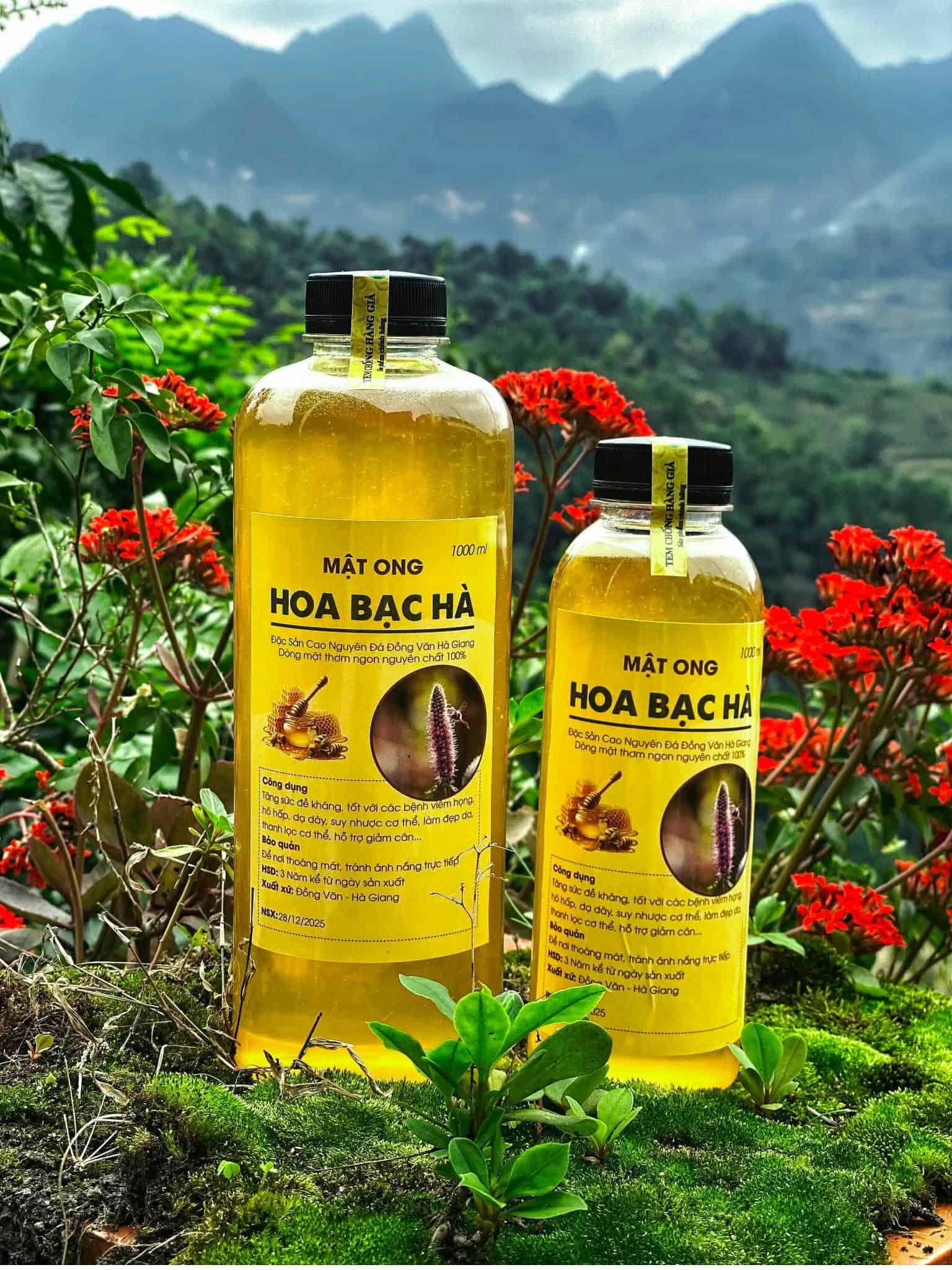
The resulting honey is amber in color, carries a cooling herbal aftertaste, and has a lower sugar density than common lychee or robinia honey. Commercial lab tests at the Hanoi University of Science and Technology measured the fructose-to-glucose ratio at 1.4:1, producing its distinctive slow crystallization profile.
What to look for before buying:
- Glass jars with official Dong Van Karst Plateau Cooperative label (not generic « mountain honey »)
- Honey that partially crystallizes near the jar base — a sign of no added sugar
- Avoid plastic squeeze bottles sold on roadside stops between Yen Minh and Dong Van
Average market price: 250,000 VND to 350,000 VND per 300ml jar (approximately $10 to $14 USD).
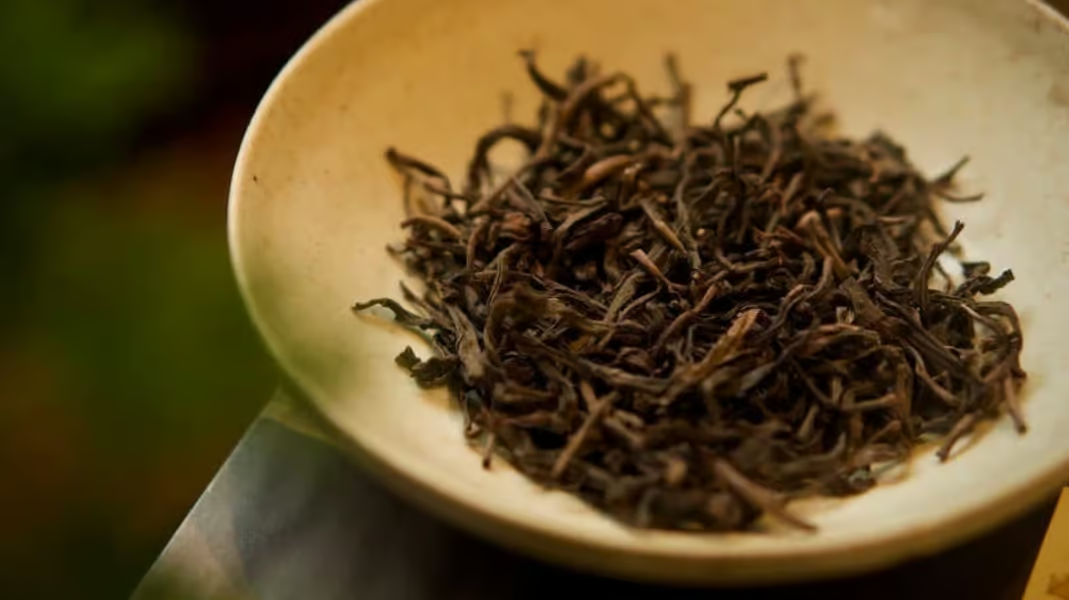
Ancient Shan Tuyet Tea from Hoang Su Phi
Shan Tuyet tea trees grow wild in Hoang Su Phi district at altitudes between 1,000 and 1,600 meters. The oldest documented trees in Ha Giang are between 200 and 300 years old. Unlike plantation tea, these trees grow in untouched forest, producing leaves with a naturally low tannin content and a soft, sweet finish.
The tea is processed in three main forms:
- White Shan Tuyet — minimal oxidation, delicate floral notes, best for gifting to non-regular tea drinkers
- Green Shan Tuyet — light roasting, smoky-sweet, classic highland profile
- Black Shan Tuyet — full oxidation, dark caramel finish, good for long-haul travel as it is the most stable during transport
« You can join TVPalm’s 1-Day Ancient Snow Shan Tea trekking tour to pick the leaves yourself and learn the firewood wok-roasting technique from Na Thac Dao artisans before buying any packaged product. »
Always buy vacuum-sealed packaging. Loose leaf sold in plastic bags loses its aroma within 2 weeks due to moisture absorption in humid highland air.
Average market price: 180,000 VND to 800,000 VND per 100g depending on tree age and processing method.
Smoked Buffalo Meat (Thit Trau Gac Bep)
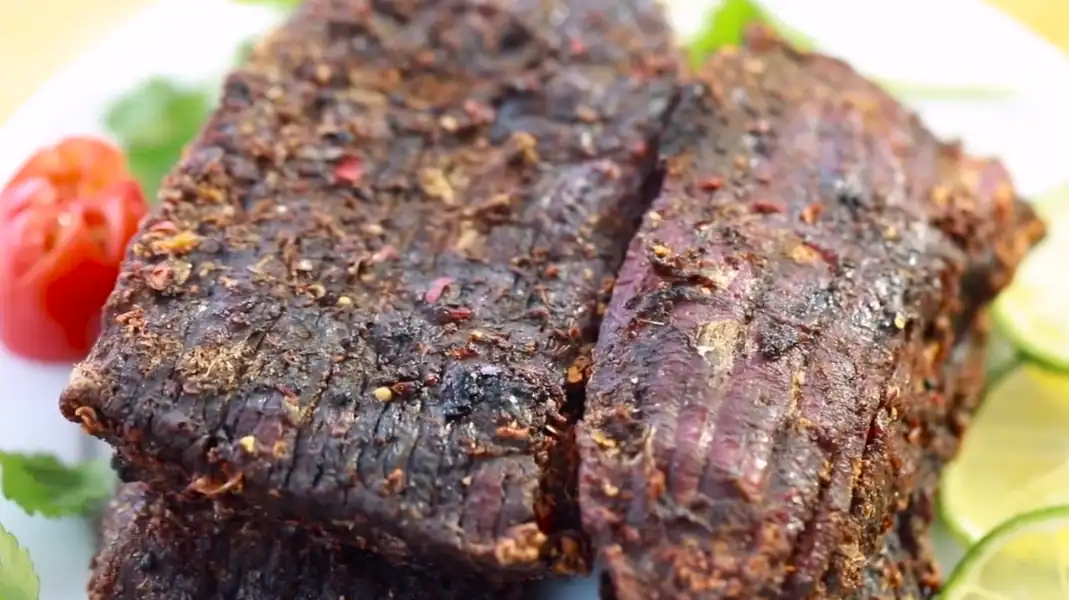
Hmong communities across Meo Vac, Dong Van, and Yen Minh produce smoked buffalo meat using an identical 3-week process. The meat is rubbed with mac khen pepper (Zanthoxylum rhetsa), ginger, and wild chili, then hung directly over the kitchen hearth at a height of 80 to 120 cm above the fire.
The sustained cold smoke at 40°C to 60°C draws out moisture without cooking the muscle tissue, preserving it for 3 to 6 months without refrigeration.
To eat it, soften fibers using a wooden mallet, tear into strips, and serve with chili-lime salt. It pairs with cold beer or warm corn wine.
Customs regulations to know before buying:
| Destination | Smoked Meat Import Status | Condition |
|---|---|---|
| European Union | Permitted for personal use | Must not exceed 2 kg per person for non-commercial quantities |
| United States | Prohibited | USDA prohibits all ruminant meat products from Vietnam without certification |
| Australia / New Zealand | Prohibited | DAFF quarantine rules apply; declare and surrender at border |
| UK | Permitted for personal use | Subject to post-Brexit SPS inspection at entry points |
If you are returning to the US or Australia, skip this item.
Corn Wine and Buckwheat Products
Corn wine (ruou ngo) is distilled from mountain corn grown in the rocky karst fields above 800m. Ban Phung village in Quan Ba district is one of the most established production villages. The distillate is clear, between 35% and 45% ABV, and carries a subtle sweetness from the high-starch corn varieties grown at altitude.
Buckwheat products — tea, wine, and honey — come from the same pink buckwheat flowers (Fagopyrum esculentum) that bloom every October and November across the Dong Van plateau. Buckwheat tea has a mild, nutty profile. It is easy to carry and universally accepted through customs worldwide.
Ethnic Handicrafts and Textiles
Hand-Woven Lung Tam Linen
The Lung Tam Linen Cooperative in Quan Ba district is the last community in Vietnam producing certified hand-woven linen following the full 41-stage traditional process. These stages begin with planting flax (Cannabis sativa L.) seeds and end with natural vegetable dyeing using local plant pigments.
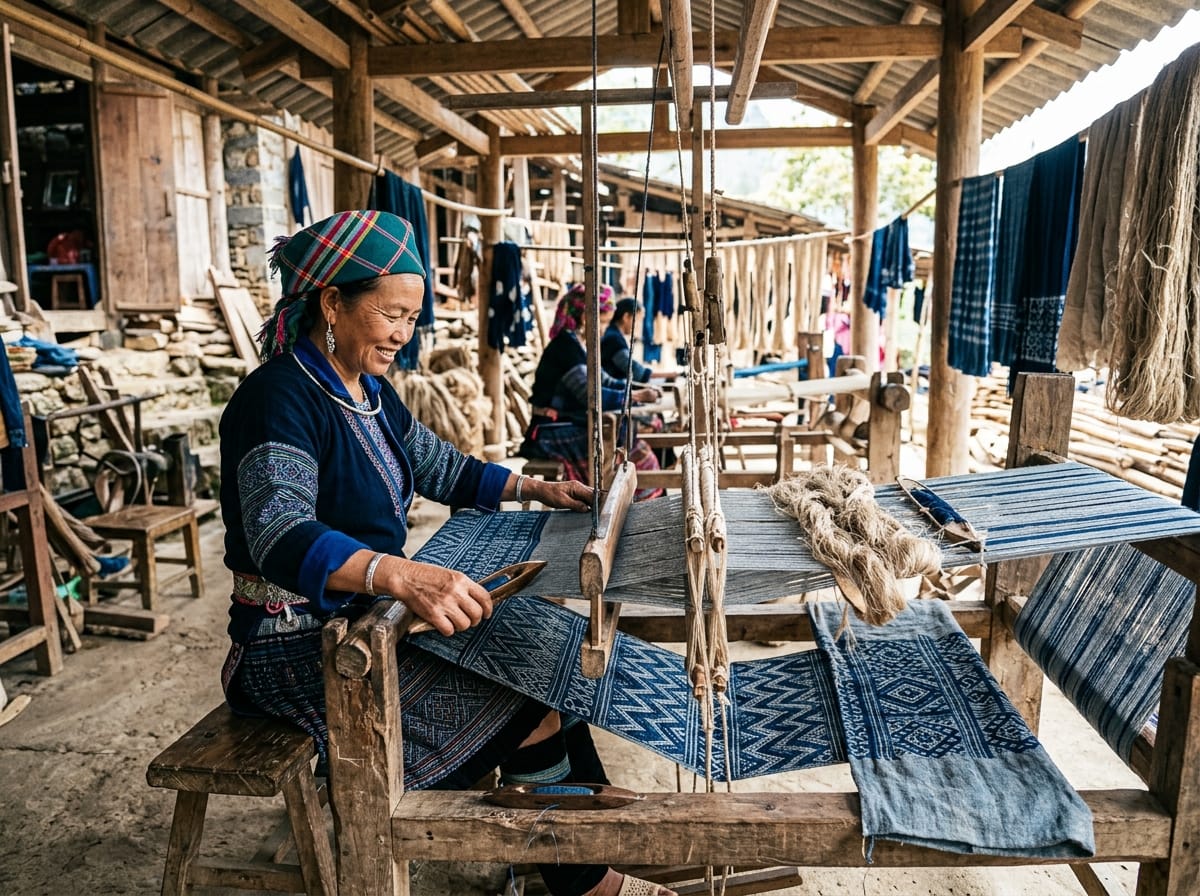
A 40m roll of finished Lung Tam linen takes 3 to 4 months of collective work to produce. The finished fabric is naturally anti-bacterial, breathes better than cotton at equivalent weight, and softens with every wash cycle.
How to identify real hand-woven Lung Tam linen versus industrial cotton:
- Real linen has visible, slightly irregular natural fiber variations. Industrial cotton feels uniformly smooth.
- Burn test: real linen burns slowly and leaves a soft gray ash with a smell like burning grass. Synthetic fibers melt.
- Real linen has a visible weave structure you can see held up to light. Printed cotton does not.
Shopping here ensures fair wages reach the artisan women directly. TVPalm regularly takes guests to see the 41 steps in person before purchasing.
Price range: Table runners from 120,000 VND. Full scarves from 380,000 VND. Large fabric lengths (by the meter) from 280,000 VND/m.
Hmong Beeswax Batik and Natural Indigo Textiles
Flower Hmong women draw patterns onto hemp cloth using a small copper tool called a lanjing. Hot beeswax is applied through the lanjing, creating wax-resist areas. The cloth is then submerged in fermented indigo vats — a process that takes 3 to 7 days per dyeing cycle to build color depth.
Natural indigo (Indigofera tinctoria) produces a blue-violet hue with depth that synthetic indigo cannot replicate. The key test is smell: authentic natural indigo carries a faint earthy, vegetal odor. Synthetic dye is odorless.
Care instructions every buyer should know:
- Always wash in cold water, separately, for the first 3 washes
- Real indigo bleeds blue in the first few washes — this is normal and a proof of authenticity
- Never dry-clean. The chemical solvents strip the natural dye irreversibly.
Traditional Silver Jewelry
For the Hmong and Red Dao communities, silver jewelry has both economic and spiritual value. Women wear heavy silver necklaces, bracelets, and carved hairpins as protection against evil spirits. These items are also held as generational savings, passed from mother to daughter.
Purity varies significantly across market stalls. TVPalm advises the following quick authentication test: apply one drop of household bleach to a hidden surface. Genuine silver darkens instantly and permanently. Silver-plated base metal shows no reaction.
Buy from village elders or known cooperatives, not from mass-market stalls at tourist hotels.
Cultural and Wellness Items
Traditional Hmong Khen and Musical Instruments
The Hmong khen is a curved reed pipe instrument made from 6 bamboo tubes bound in beeswax. Playable versions are large (60 to 90 cm), fragile, and difficult to transport without a dedicated case. For most travelers, decorative miniature versions (20 to 30 cm) make more practical gifts.
Bamboo flutes are the most travel-friendly option. They are lightweight, fit in any carry-on bag, and work as functional instruments.
Red Dao Herbal Medicines and Organic Soaps
Red Dao communities in Tay Con Linh and Hoang Su Phi have documented herbal pharmacopeias passed orally through generations. You can purchase:
- Dried herb bath packs (500g packets): a standard 30-minute herbal foot or full-body bath using 10 to 15 local plant species. These packets store for 18 to 24 months when kept dry.
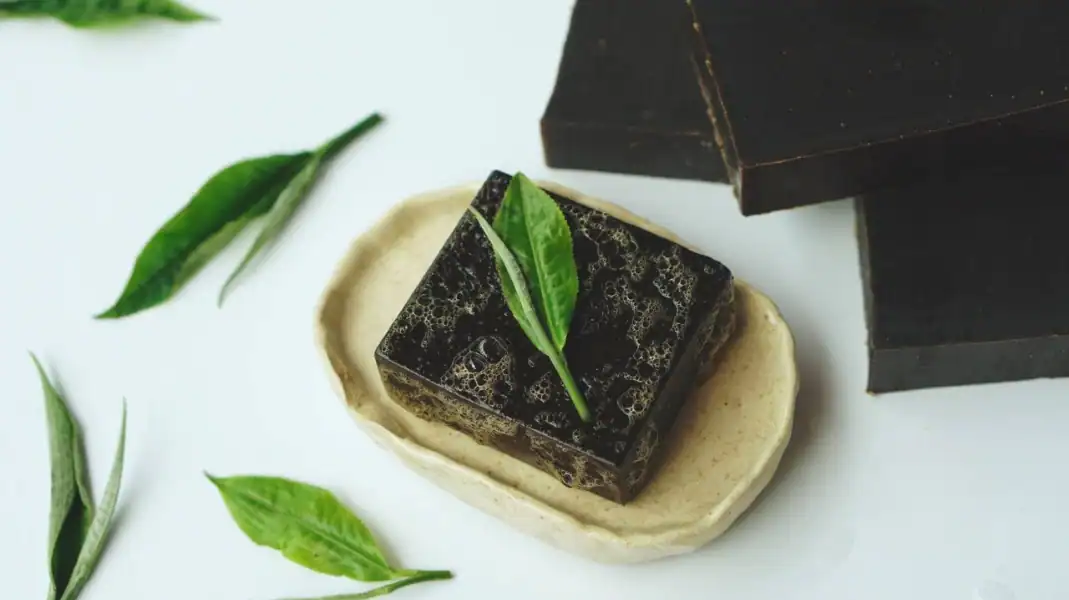
- Artisan honey-buckwheat soaps: small-batch cold-press soaps made with Dong Van mint honey, buckwheat extract, and mountain herbs. 100% natural, no SLS or synthetic fragrance.
- Herbal tinctures: concentrated plant extracts used topically for joint pain and muscle fatigue. These pass customs as cosmetic/wellness products in most countries.
Vietnam National Authority of Tourism verifies that community-managed tourism cooperatives in Ha Giang meet responsible trade standards under the national sustainable tourism framework.
Where to Buy Authentic Ha Giang Specialties
Sunday Markets: The Best Access to Direct Artisan Goods
| Market | Location | Specialty Focus | Best Arrival Time |
|---|---|---|---|
| Dong Van Sunday Market | Dong Van town center | Widest selection of food, textiles, jewelry | Before 8:00 AM |
| Meo Vac Saturday Market | Meo Vac town center | Most authentic atmosphere, less tourist pressure | 7:00 AM to 10:00 AM |
| Hoang Su Phi Sunday Market | Hoang Su Phi town | Best Shan Tuyet tea, bought direct from farmers | Before 9:00 AM |
| Dong Bac Sunday Market | Bac Ha (adjacent province) | Flower Hmong textiles and batik | 8:00 AM to 11:00 AM |
Arrive early at all markets. The best quality items sell out before 10:00 AM as local traders buy ahead of tourists.
Artisan Cooperatives: The Highest-Impact Shopping Choice
Buying from registered cooperatives directs money straight to the artisans, bypasses resellers, and supports preservation of traditional skills.
- Lung Tam Linen Cooperative (Quan Ba district): Only source for certified 41-step linen. On-site weaving demonstrations run daily.
- Dong Van Karst Plateau Honey Cooperative: Official GI-registered source for authentic mint honey. Can ship domestically.
- Tay Con Linh Ecotourism Cooperative (via TVPalm): Red Dao herbal bath packs, organic soaps, and artisan teas. Part of the co-op’s sustainable revenue model.
Shopping at cooperatives is the most ethical form of Ha Giang souvenir purchase. Every dollar spent here funds trail maintenance, guide training, and community forest conservation.
Frequently Asked Questions
Can I bring Dong Van mint honey and Shan Tuyet tea back to Europe?
Yes. EU customs rules allow personal-use import of up to 2 kg of honey per traveler without special permits. Shan Tuyet tea is unrestricted in all reasonable quantities. Buy products in original vacuum-sealed packaging with legible ingredient labels. Clear packaging helps customs officers process your goods quickly and protects the quality of your tea during the flight.
How do I know if indigo fabric is genuinely natural-dyed?
Two tests work reliably. First, smell the fabric. Natural indigo has a faint earthy, slightly fermented odor. Chemical synthetic dye has no smell at all. Second, dampen a white cloth and rub it against the fabric. Authentic natural indigo transfers a faint blue-green color onto the white cloth in the first few washes. If no color transfers, the dye is synthetic.
Are there any Ha Giang souvenirs I should not buy?
Avoid two categories. Never buy antiques or cultural artifacts over 50 years old without a Vietnamese government export permit — the fine for undeclared cultural property at international borders starts at 30 million VND per item. Never purchase products made from protected wildlife species, including ivory, rare animal skins, bear bile, or specific forest orchids. Stick to the handicrafts and food items described in this guide to ensure every purchase is legal, ethical, and genuinely local.
Written by Văn Trung Nguyễn, CEO and Lead Expedition Director at TVPalm Ecolodge, Ha Giang — with over 10 years of direct fieldwork with ethnic artisan communities across Tay Con Linh and the Dong Van Karst Plateau.


