

The culinary tradition of Ha Giang offers one of Vietnam’s most distinct regional food cultures, shaped by high-altitude karst terrain, cold mountain nights, and ancient recipes preserved by Hmong, Tay, and Dao Ao Dai ethnic group communities.
Highland dishes prioritize hearty, slow-cooked ingredients, mountain herbs, and natural fermentation designed to restore stamina during long travel across high mountain passes.
What are the must try local foods in Ha Giang?
Must-try local foods in Ha Giang represent a hearty, mountain-adapted cuisine featuring slow-simmered herbal stews, twice-steamed mountain cornmeal, smoked hearth meats, and medicinal night porridges prepared by ethnic minority communities across the Dong Van Karst Plateau Geopark.
Unlike low-altitude Vietnamese street food centered on clear broths and fresh herbs, Ha Giang specialties emphasize bold mountain spices like mac khen pepper, cardamoms, star anise, wild ginger, and fermented mountain corn spirits.
Essential Culinary Parameters and Price Metrics
| Culinary Parameter | Technical Metric / Value | Practical Significance for Diners |
|---|---|---|
| Core Highland Ingredients | Mountain Corn, Horse Offal, Black Pig, Aconite Root | Climate-resilient crops and mountain livestock adapted to rock karst |
| Dominant Flavor Profiles | Savory, Smoky, Earthy, Bitter-Medicinal | Formulated to generate body heat and combat mountain fatigue |
| Average Street Meal Price | 30,000 VND to 80,000 VND ($1.20 to $3.20 USD) | Extremely affordable dining at Sunday markets and local stalls |
| Primary Dining Locations | Sunday Ethnic Markets & Village Homestays | Freshly prepared in large woks over open wood fires |
| Alcoholic Accompaniment | Mountain Corn Wine (Ruou Ngo – 35% to 45% ABV) | Distilled from local corn and fermented with wild forest leaf yeast |
| Vegetarian Availability | Limited in Traditional Stews; Available in Rice/Tofu | Homestays easily prepare vegetarian versions upon advance notice |
Top 11 Must-Try Local Foods in Ha Giang
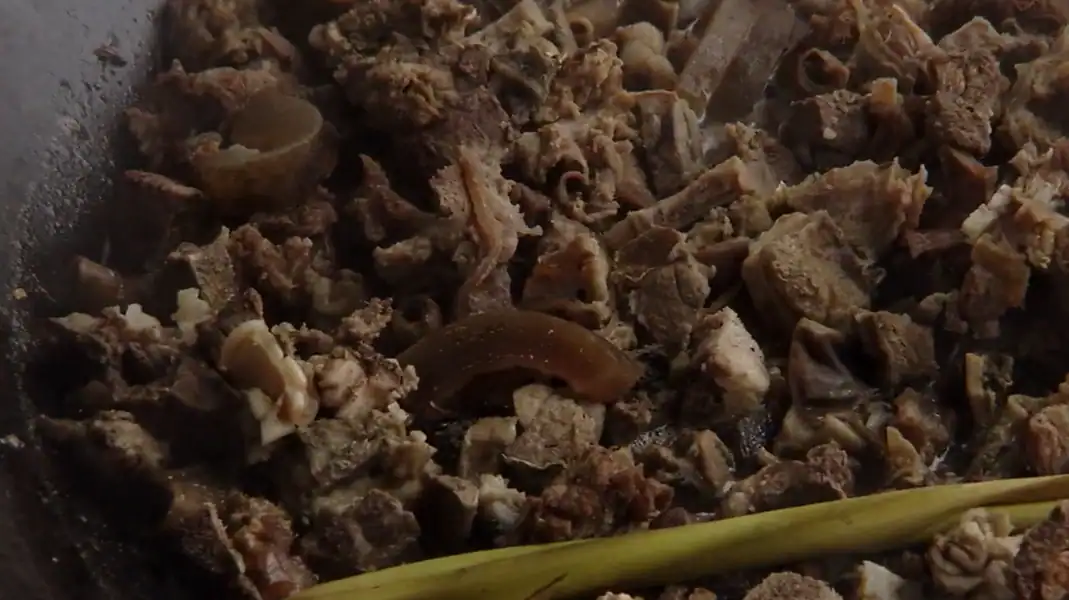
1. Thang Co (Traditional Hmong Horse Meat Stew)
Thang Co is the ultimate culinary icon of the Dong Van Karst Plateau. Traditionally created by Hmong horsemen over 200 years ago, this dish consists of horse meat, bones, and offal slow-simmered for 3 to 4 hours in massive iron woks over open wood fires.
Flavor & Spice Profile: The broth is seasoned with 12 traditional highland botanical spices, including star anise, cardamom, cinnamon, lemongrass, roasted ginger, and wild mountain pepper (mac khen). It delivers a rich, earthy, and aromatic flavor profile served hot with chopped scallions and fresh chili paste.
- Average Price: 40,000 VND to 80,000 VND per bowl ($1.60 to $3.20 USD).
- Where to Try: Food courts across bustling Ha Giang ethnic markets, particularly Dong Van and Meo Vac Sunday gatherings.
2. Men Men (Twice-Steamed Hmong Cornmeal)
Men Men is the historical staple food of Hmong families living in high limestone zones where wet-rice cultivation is impossible. Local yellow mountain corn is hand-ground into fine flour, mixed with water, and steamed twice in handcrafted wooden barrels to achieve a fluffy, crumbly texture.
- How to Eat It: Men Men is never eaten dry. Diners scoop spoonfuls of Men Men directly into warm Thang Co broth, cucumber soup, or bone broth to absorb flavor and moisture.
- Average Price: 15,000 VND to 25,000 VND per portion ($0.60 to $1.00 USD).
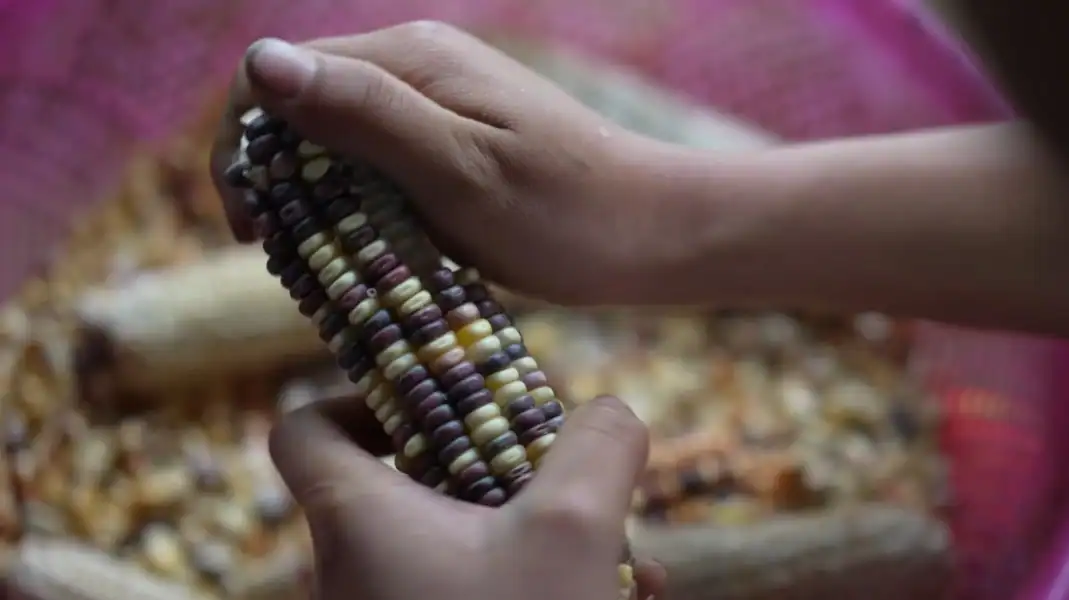
“At TVPalm Ecolodge, our local Tay chefs introduce guests to Men Men paired with organic farm vegetable soups during village dinner experiences.”
3. Chao Au Tau (Medicinal Night Porridge)
Chao Au Tau is a savory night porridge prepared from the tuber root of Aconitum fortunei (Aconite root), a mountain plant known in traditional eastern medicine for warming the body and relieving joint fatigue.
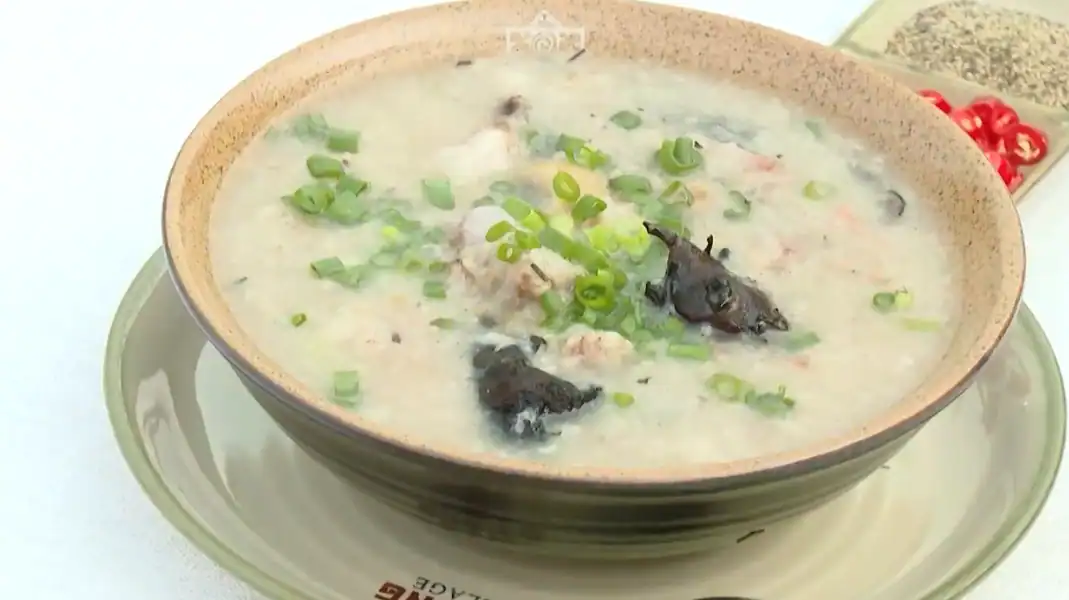
Crucial Detoxification Preparation: Raw aconite root contains natural toxins. Highland cooks soak the root in rice water for 12 hours and simmer it continuously for 4 to 6 hours until thoroughly detoxified. The softened root is then cooked with glutinous rice, pork trotter broth, minced pork, egg yolk, and fresh herbs (la tia to and scallions).
- Flavor Profile: Distinctively bitter entry followed by a sweet herbal aftertaste.
- Average Price: 30,000 VND to 50,000 VND per bowl ($1.20 to $2.00 USD).
- Where to Try: Night food stalls along Tran Phu Street in Ha Giang City center.
4. Banh Cuon Ha Giang (Highland Steamed Rice Rolls)
Unlike Hanoi steamed rice rolls served with cold fish sauce, Banh Cuon Ha Giang features soft rice paper rolls stuffed with minced pork and wood-ear mushrooms, served floating in a bowl of hot, seasoned pork bone broth topped with scallions and coriander.
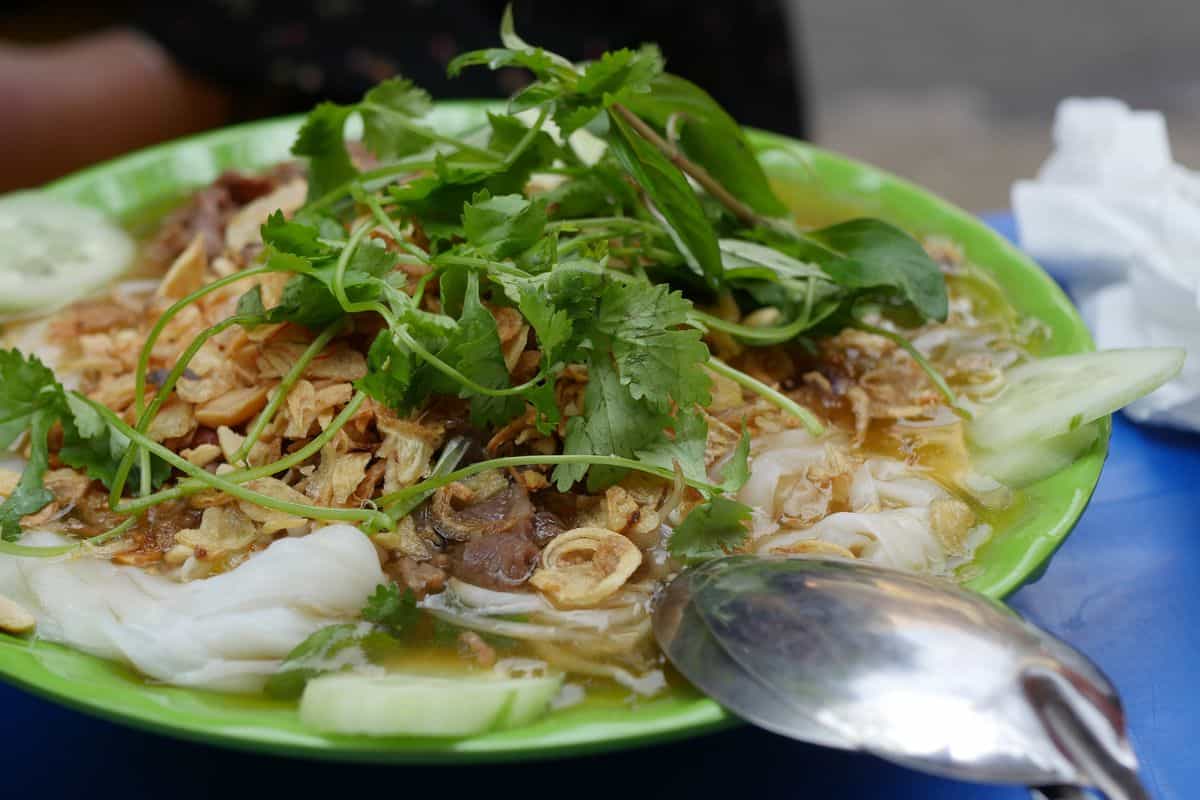
- Key Variation: Customers can request a soft-poached egg (banh cuon trung) folded directly inside the hot rice sheet.
- Average Price: 30,000 VND to 45,000 VND per plate ($1.20 to $1.80 USD).
5. Thit Trau Gac Bep (Smoked Hearth Buffalo Meat)
Smoked buffalo meat is a traditional Hmong preserve created by marinating thick strips of buffalo muscle in wild chili, ginger, garlic, and crushed mac khen pepper before hanging them high over kitchen hearth fires for 3 weeks.
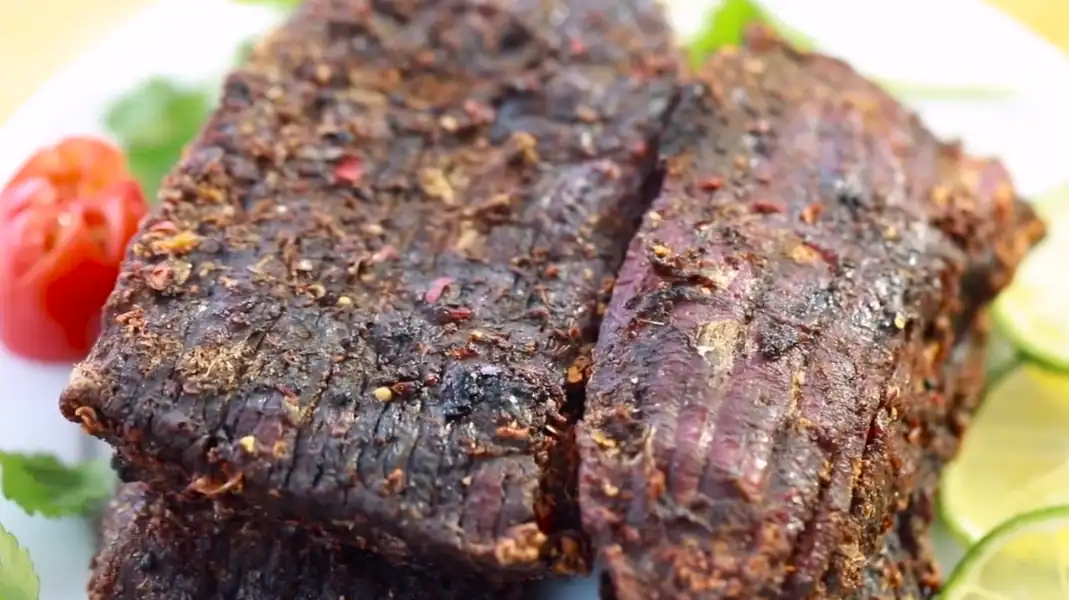
- Texture & Taste: Deep dark exterior with bright red interior muscle fibers; smoky, spicy, and chewy.
- Average Price: 800,000 VND to 1,000,000 VND per kilogram ($32 to $40 USD).
- Souvenir Recommendation: Vacuum-packed portions rank among the top authentic Ha Giang specialties to buy as souvenirs, carrying hearth flavors home without spoiling.
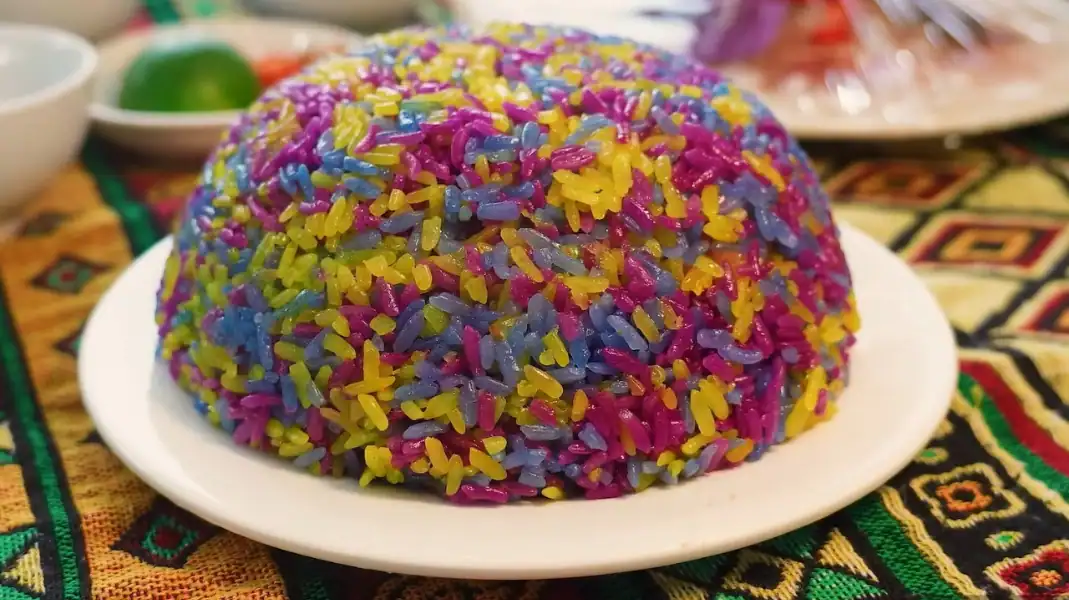
6. Xoi Ngu Sac (Five-Colored Sticky Rice)
Xoi Ngu Sac is a festive Tay ethnic dish made from sticky rice dyed using natural forest plants: red from magenta plant leaves, yellow from turmeric, purple from black purple leaves, green from ginger leaf extract, and white from plain rice.
- Symbolism: Represents the five natural elements (Earth, Wood, Water, Fire, Metal) and brings good fortune during spring festivals.
- Average Price: 20,000 VND to 35,000 VND per portion ($0.80 to $1.40 USD).
7. Ruou Ngo (Highland Mountain Corn Wine)
Ruou Ngo is the legendary hospitality drink of Ha Giang, double-distilled from yellow mountain corn grown in rocky karst soil and fermented using 30 local forest leaf yeasts.
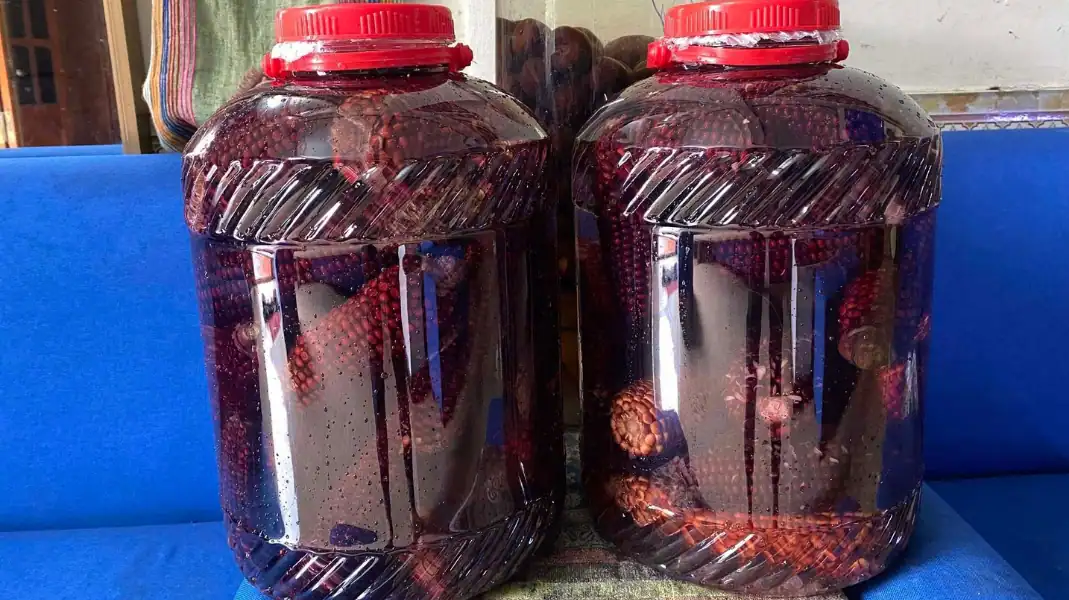
- Alcohol Content: Clear, fragrant distillate averaging 35% to 45% ABV with a smooth sweet finish.
- Average Price: 40,000 VND to 60,000 VND per liter ($1.60 to $2.40 USD).
Sharing a steaming bowl of men men or raising small bamboo cups of corn wine with local hosts forms the heart of communal mountain living. Discover customary dining rituals, stilt house sleeping arrangements, and host etiquette in our complete guide to an authentic homestay experience in Ha Giang.
8. Thang Den (Warm Rice Dumpling Dessert)
Thang Den is a comforting winter dessert featuring bite-sized glutinous rice balls filled with mung bean paste, served floating in warm sweet ginger syrup topped with toasted peanuts and shredded coconut
Average Price: 15,000 VND to 25,000 VND per bowl ($0.60 to $1.00 USD).
9. Com Lam (Bamboo Tube Sticky Rice)
Com Lam consists of fragrant glutinous rice mixed with coconut milk, packed inside green bamboo tubes, sealed with banana leaves, and roasted over hot charcoal until the bamboo bark chars.
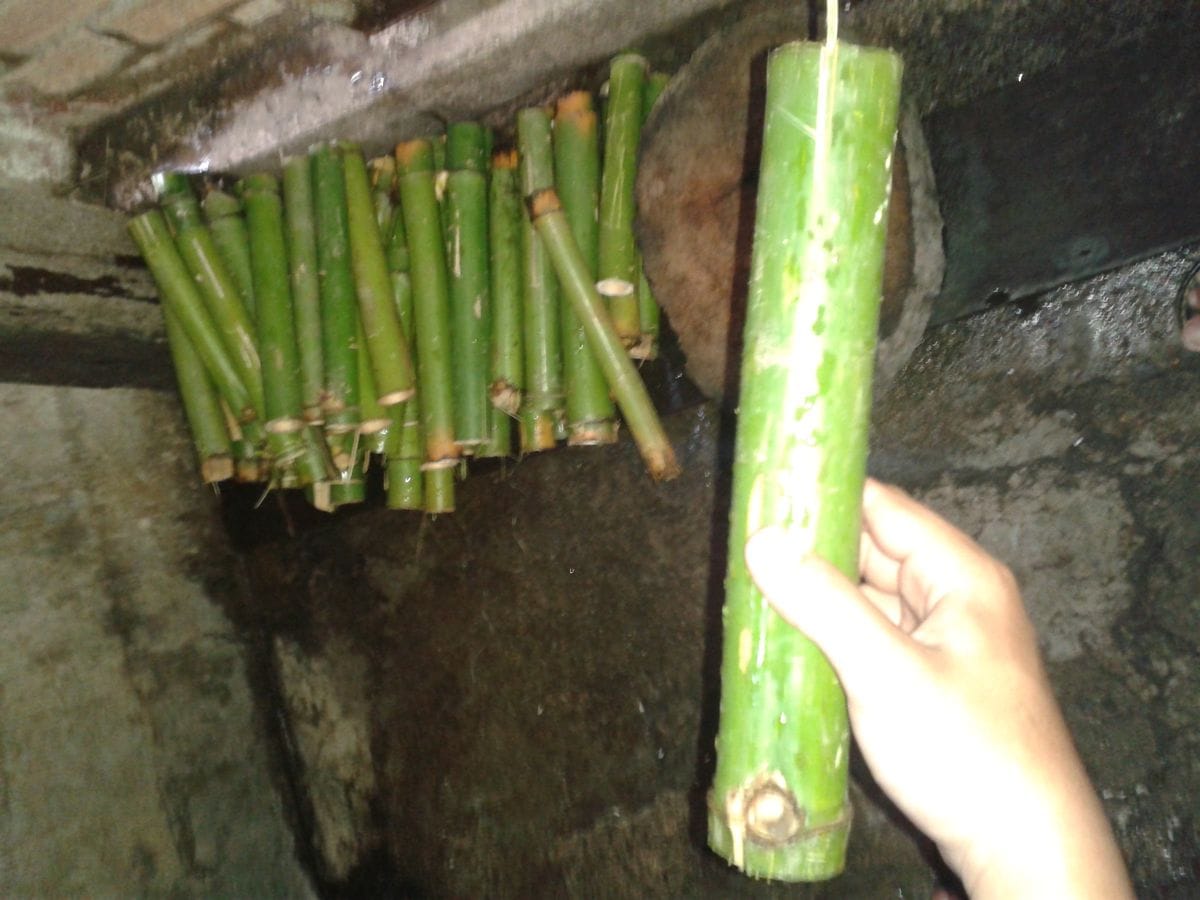
Average Price: 15,000 VND to 25,000 VND per tube ($0.60 to $1.00 USD).
10. Pho Chua Ha Giang (Highland Sour Noodles)
Pho Chua is a refreshing cold noodle dish featuring flat rice noodles topped with fried taro strips, char siu pork, duck meat, crushed peanuts, and a signature sweet-and-sour tamarind gravy.
Average Price: 35,000 VND to 50,000 VND per bowl ($1.40 to $2.00 USD).
11. Lap Xuong Hun Khoi (Smoked Highland Sausage)
Lap Xuong is hand-stuffed pork sausage seasoned with wild pepper and sugarcane juice, smoked over oak fires for two weeks until firm and aromatic.
Average Price: 250,000 VND to 350,000 VND per kilogram ($10 to $14 USD).
After savoring savory smoked meats and rich market stews, highland communities routinely brew aromatic wild forest tea over charcoal embers to aid digestion. Explore how indigenous Dao villagers harvest century-old buds high above the clouds in our feature on ancient Shan Tuyet tea trees.
Complete Culinary Summary Matrix
| Dish Name | Primary Ingredients | Spice & Flavor Level | Average Price (VND) | Best Location to Eat |
|---|---|---|---|---|
| Thang Co | Horse meat, offal, 12 mountain spices | Savory, herbal, spicy | 40,000 – 80,000 | Dong Van & Meo Vac Markets |
| Men Men | Steamed yellow cornmeal | Mild, sweet, grainy | 15,000 – 25,000 | Hmong village homestays |
| Chao Au Tau | Aconite root, pork trotter, egg, herbs | Bitter entry, sweet finish | 30,000 – 50,000 | Ha Giang City night stalls |
| Banh Cuon | Steamed rice sheet, pork, hot bone broth | Mild, savory broth | 30,000 – 45,000 | Dong Van Old Quarter breakfast stalls |
| Thit Trau Gac Bep | Hearth-smoked buffalo, mac khen pepper | Spicy, smoky, chewy | 800,000 – 1,000,000/kg | Local cooperatives & markets |
| Xoi Ngu Sac | Five-colored natural plant-dyed glutinous rice | Sweet, fragrant | 20,000 – 35,000 | Sunday ethnic markets |
| Ruou Ngo | Fermented mountain corn, forest yeast | 35-45% ABV, smooth finish | 40,000 – 60,000/liter | Ban Phung & village homestays |
Official food safety and cultural advisories from the Vietnam National Authority of Tourism encourage international travelers to sample regional culinary specialties prepared by registered local homestays and community markets. Practicing mindful dining through community-based tourism in Ha Giang ensures culinary expenditures directly benefit indigenous farming households and help preserve traditional mountain culinary heritage.
Essential Dining Etiquette & Food Safety Checklist
Follow these core safety and cultural practices when sampling street food across northern mountain markets:
- Drink only bottled or thoroughly boiled mountain spring water (provided free at TVPalm Ecolodge)
- Ensure Thang Co stew is served bubbling hot directly from wood-fired iron woks
- Consume Chao Au Tau hot during evening hours; avoid drinking cold water immediately after eating aconite porridge
- Inform your homestay host in advance if you have severe peanut, gluten, or meat dietary restrictions
- Accept small cups of corn wine with both hands during homestay toasts as a sign of mutual respect
- Carry hand sanitizer for quick cleaning before eating finger foods like Com Lam or smoked meats
Frequently Asked Questions (FAQ)
Is Thang Co safe for international travelers to eat?
Yes. When eaten hot at busy market stalls where the stew bubbles continuously over open wood fires, Thang Co is completely safe. Choose busy stalls popular with local villagers to ensure high turnover and fresh broth.
Are vegetarian food options available in Ha Giang?
Yes. While traditional stews contain meat, vegetarian travelers can easily enjoy dishes like Xoi Ngu Sac (five-colored rice), Com Lam (bamboo sticky rice), Thang Den (ginger dumpling dessert), fried tofu, stir-fried mountain greens, and fresh fruit. Inform your homestay host before arrival for customized vegetarian meals.
What makes Ha Giang Banh Cuon different from Hanoi Banh Cuon?
Hanoi Banh Cuon is dipped in cold fish sauce (nuoc mam), whereas Ha Giang Banh Cuon is served immersed in a piping hot bowl of seasoned pork bone broth topped with scallions and herbs, perfectly adapted to warm diners in cold mountain weather.
Written by Văn Trung Nguyễn, Lead Expedition Director & Eco-Tour Specialist at TVPalm Ecolodge, Ha Giang.


