

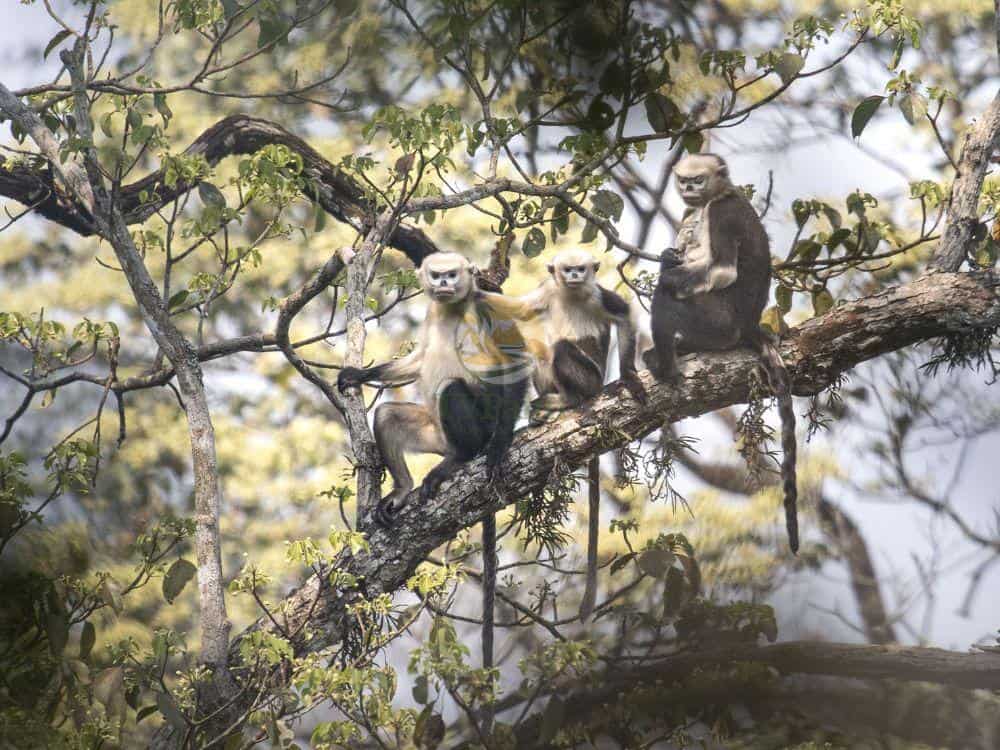
Finding the Tonkin snub-nosed monkey is a challenging yet rewarding quest for wildlife enthusiasts. As one of the world’s 25 most endangered primates, they survive only in remote corners of Northern Vietnam. This guide provides authentic insights into the best places to see Tonkin snub-nosed monkeys sustainably.
I am Nguyen Van Trung, CEO of TVPalm, with over 10 years of experience leading professional treks in Ha Giang and the Tay Con Linh mountain range.
The rarity of the Tonkin snub-nosed monkey
A primate once thought extinct
The Tonkin snub-nosed monkey (Rhinopithecus avunculus) is one of the rarest animals on Earth. For many decades, scientists believed this species was extinct.
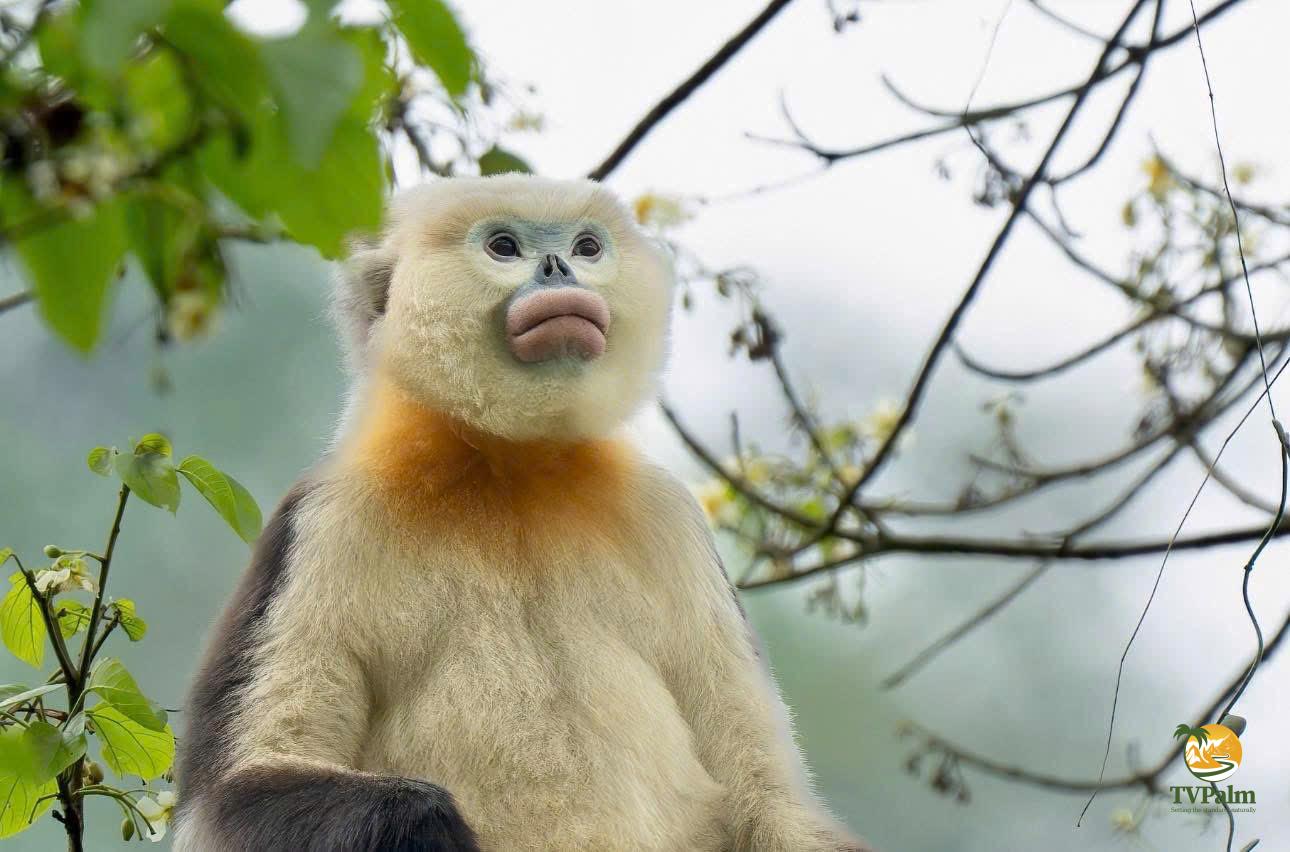
However, researchers rediscovered a small population in 1989. This primate is endemic to Vietnam. You will not find them in the wild anywhere else in the world. Their unique appearance includes pink lips and blue patches around their eyes. At TVPalm, we consider every sighting a miracle of nature.
Conservation status and current population
The IUCN Red List classifies these monkeys as Critically Endangered. They are consistently ranked among the 25 most endangered primates globally.
Today, only about 200 to 250 individuals remain in the wild. Habitat loss and illegal hunting are their biggest threats. Most survivors live in small, isolated groups in Northern Vietnam. We work closely with local rangers to ensure our tours support their protection rather than disturbing their peace.
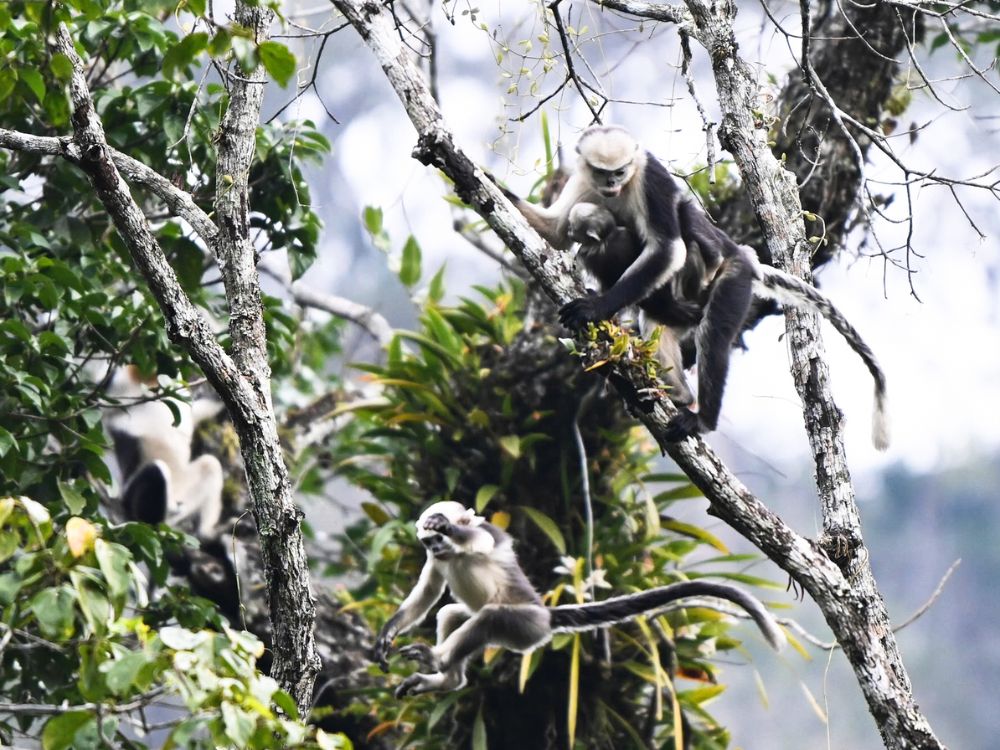
Best places to see Tonkin snub-nosed monkeys in Ha Giang
Khau Ca Species and Habitat Conservation Area
Khau Ca is the premier location for wildlife enthusiasts. It sits at the intersection of Ha Giang City, Vi Xuyen, and Bac Me districts. This forest is home to the largest stable population in the world. Currently, over 160 monkeys live in this protected area. The population here is healthy and growing.
If you want the best places to see Tonkin snub-nosed monkeys, Khau Ca should be your first choice. The forest canopy here provides the perfect environment for their survival.
Du Gia National Park and limestone mountains
Du Gia National Park covers parts of Yen Minh and Meo Vac districts. The terrain consists of steep, rugged limestone mountains. This difficult landscape is the preferred habitat for the monkeys. They spend most of their time high in the trees to avoid predators. Trekking here requires good physical fitness.
I have spent 10 years exploring these trails. The sight of a mother monkey carrying her infant through the limestone peaks is an unforgettable experience for any traveler.
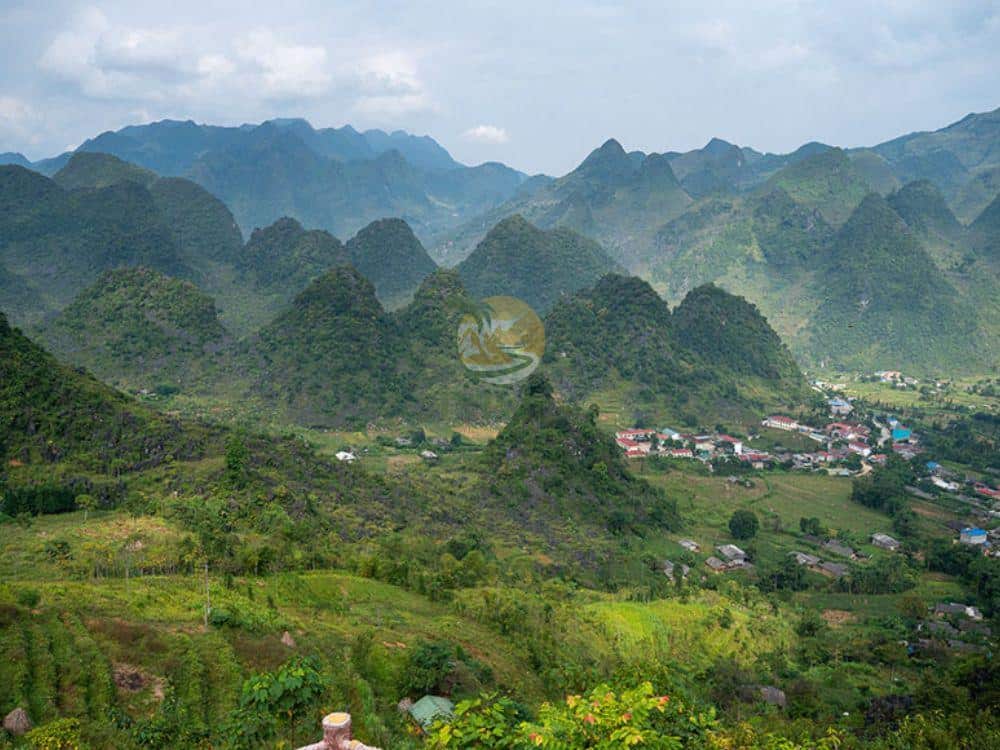
Cao Ma Po area in Quan Ba district
Cao Ma Po is a remote area near the border in Quan Ba. It serves as a vital corridor for the monkeys. Rangers frequently record groups moving through this forest to find seasonal food. While the density is lower than in Khau Ca, it remains a significant site for biodiversity.
At TVPalm, we monitor these migration patterns to help our guests understand the monkeys’ complex lives. This area offers a quiet, private experience away from common tourist loops.
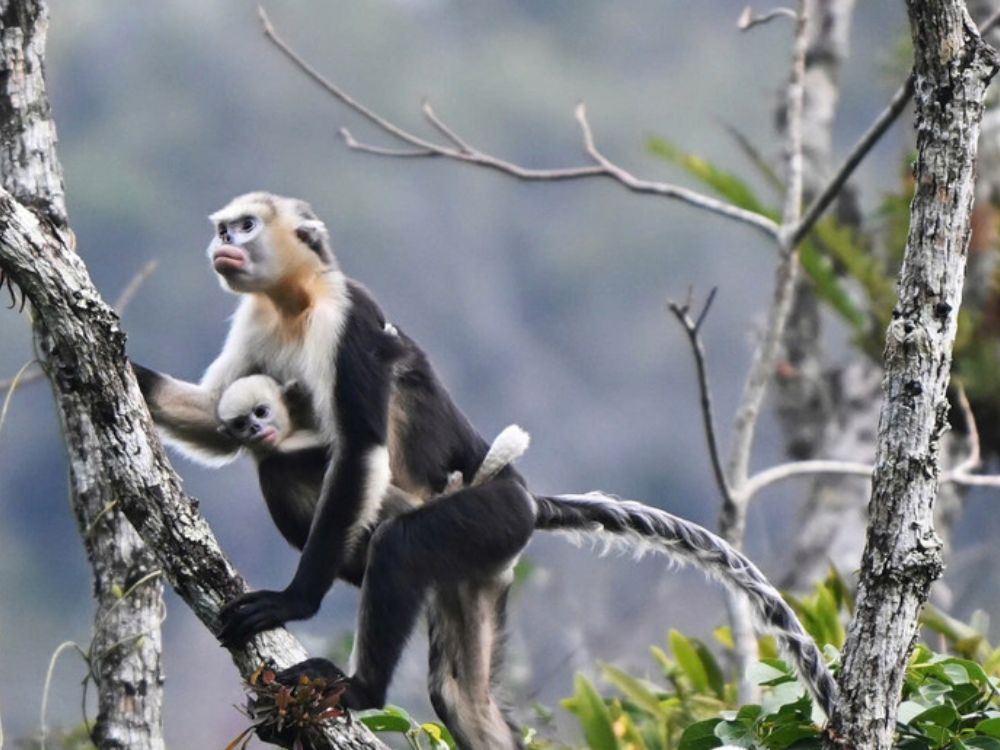
Historical distribution areas and low visibility probability
Na Hang and Cham Chu Nature Reserves in Tuyen Quang
Na Hang and Cham Chu were once famous for primate sightings. However, data shows that scientists have not captured a direct photo of the monkeys here for over 13 years. You might still find old signs of their activity, such as chewed leaves or nests.
Because the probability of a sighting is extremely low, TVPalm does not recommend these areas for short trips. We focus on locations where your chance of success is much higher.
Ba Be National Park and surrounding forests
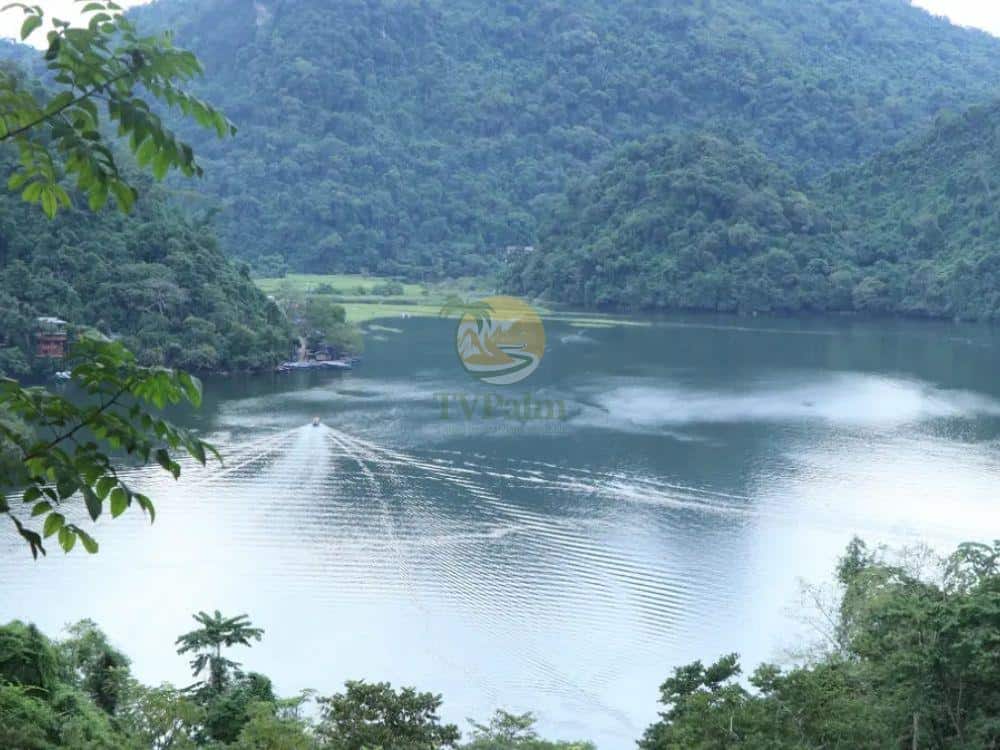
Ba Be National Park is a beautiful destination with high biodiversity. Historical records list this park as a habitat for the Tonkin snub-nosed monkey. Unfortunately, sightings in recent years are nearly zero. The monkeys have likely moved deeper into the primary forests or disappeared due to past habitat changes. While Ba Be is great for boat tours, it is no longer among the best places to see Tonkin snub-nosed monkeys in the wild.
Practical experience for a wildlife viewing trip
Ideal time of year to start the journey
Timing is the most important factor for a successful trek. You should visit between October and April. This is the dry season in Northern Vietnam. During these 7 months, the forest trails are less slippery and safer to walk. The trees also lose some leaves, which makes it easier to spot the monkeys high in the canopy. I have found that clear mornings offer the best light for observation.
Necessary permits and local regulations
You cannot enter the core zones of these conservation areas alone. You must obtain a permit from the Ha Giang Forest Protection Department or the National Park Management Board. These regulations protect the 160 remaining individuals from disturbance.
At TVPalm, we handle all legal paperwork for our guests. We always coordinate with local rangers to ensure every visit follows strict conservation laws.
Specialized equipment for primate observation and photography
Standard cameras are not enough for this journey. You need a telephoto lens with a focal length of at least 400mm. The monkeys are shy and stay 30 to 50 meters away from humans. I also recommend bringing 10×42 binoculars for clear viewing. Do not forget anti-leech socks and waterproof hiking boots.
These 3 items will make your 6-hour trek through the limestone forest much more comfortable.
Ethical and sustainable factors in monkey watching tourism
Keeping a safe distance and the « Leave No Trace » rule
We must respect the home of these rare primates. Always maintain a minimum distance of 30 meters from the animals. Keep your voice low and avoid wearing bright colors like red or yellow.
TVPalm strictly follows the « Leave No Trace » policy. We carry all trash out of the forest. Our goal is to leave the habitat exactly as we found it to protect the monkeys’ natural behavior.
The role of local guides and rangers in conservation
Local guides are the true experts of the forest. They know the specific trees where the monkeys sleep and eat. We hire local people to provide them with a sustainable income from tourism instead of hunting. Rangers track the population daily to prevent poaching.
When you join a professional tour, you contribute directly to the salaries of these conservation heroes. This support helps keep the Tonkin snub-nosed monkey safe for future generations.
Frequently asked questions about Tonkin snub-nosed monkeys
Can I search for the monkeys on my own without a guide?
You cannot go alone. The law requires all visitors to have a permit and a professional guide to enter the core conservation zones. The terrain in Ha Giang consists of steep limestone and thick jungle. Without a local expert, you will likely get lost. Local guides know the specific feeding areas of the 160 monkeys in Khau Ca.
TVPalm always coordinates with rangers to ensure your trip is legal and safe.
What is the actual success rate of seeing them on a short trek?
Seeing wild animals is never 100% guaranteed. On a 1-day trek, the success rate is approximately 30%. If you spend 3 days in the forest, your chances increase to 70%. These primates are very shy and move quickly through the high canopy. Patience is your most important tool. To have the best experience, you should visit the best places to see Tonkin snub-nosed monkeys during the dry season.
Does visiting negatively impact conservation efforts?
Responsible tourism actually supports conservation. Your visit provides a sustainable income for 2 specific groups: local villagers and forest rangers. When local people earn money from tourism, they stop illegal hunting and logging.
The presence of TVPalm guides in the forest also helps discourage poachers. We follow strict rules to keep noise low and leave no trash behind. Seeing these rare creatures often inspires travelers to support global wildlife protection.


