

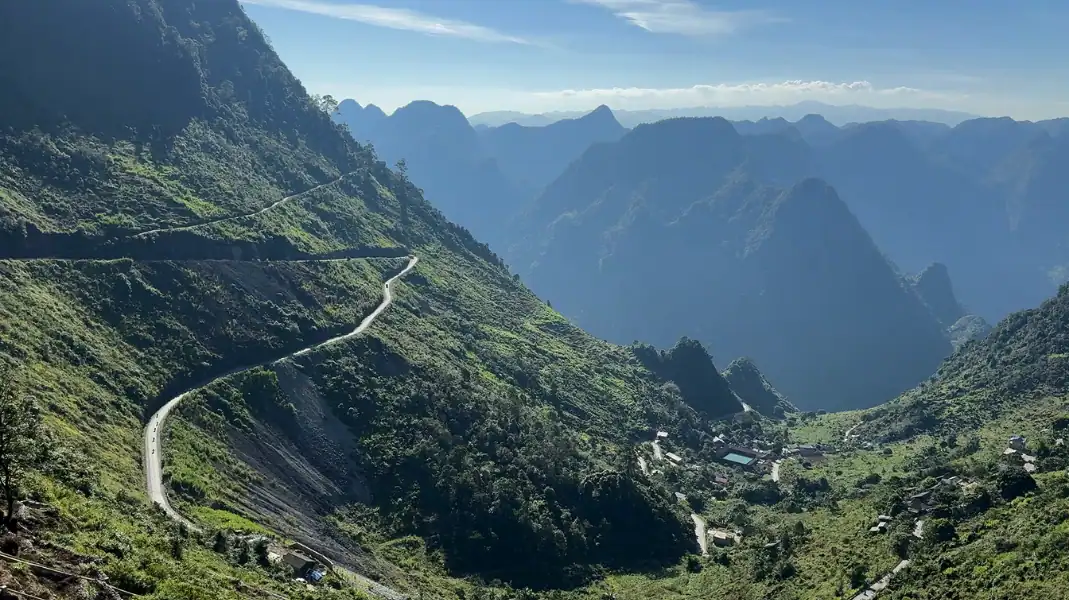
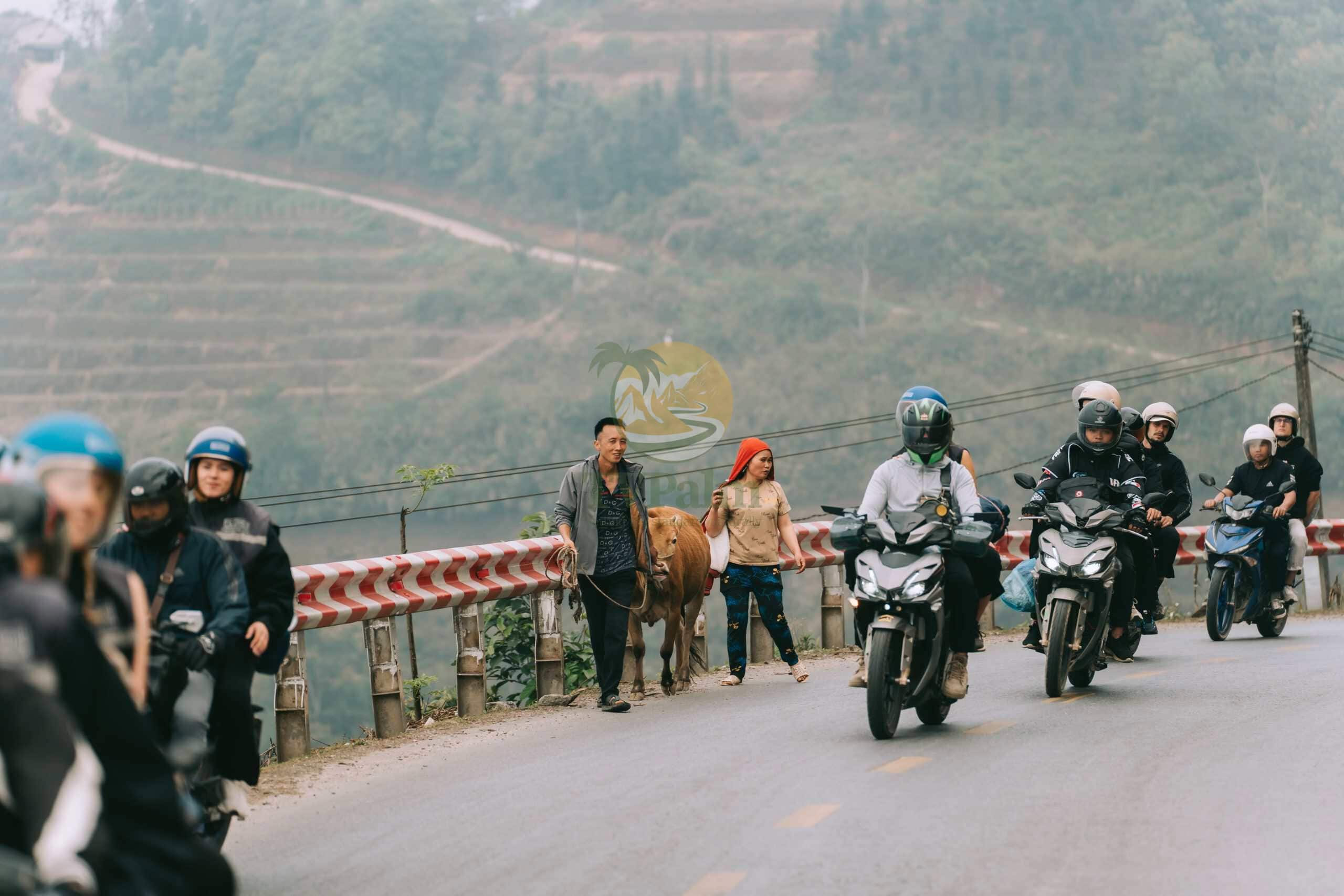
A shared Ha Giang Loop tour places you in a large group with travelers you have not met, each riding behind an Easy Rider or driving their own motorcycle. We run private trips exclusively: your own group, your chosen pace, and dedicated local riders.
Below is an honest breakdown of how shared and private loop tours compare, why choosing to travel privately is the safer and more rewarding decision for the mountain passes, what a fair price includes, and practical packing advice.
Shared or private the core differences compared
| Comparison Parameter | Private Guided Expedition (TVPalm) | Shared Commercial Group Tour |
|---|---|---|
| Riding Group Size | Exclusively your party (solo traveler, couple, or friends) | Large mixed convoys of 15 to 30+ motorbikes |
| Pace and Flexibility | Fully customizable daily stops, rest breaks, and photo timings | Fixed schedule, mandatory group stops, uniform riding speed |
| Pass Safety on Highway 4C | Calm, defensive riding focused entirely on passenger comfort | Peer pressure to ride fast; passing delays on narrow bends |
| Nightly Lodging | Quiet private rooms in authentic ethnic family homestays | Communal dorm beds or shared party hostel rooms |
| Community Impact | Direct income to local Dao Ao Dai and Tay hosts and riders | Revenue channeled primarily through centralized agencies |
1. Pacing and safety on mountain roads
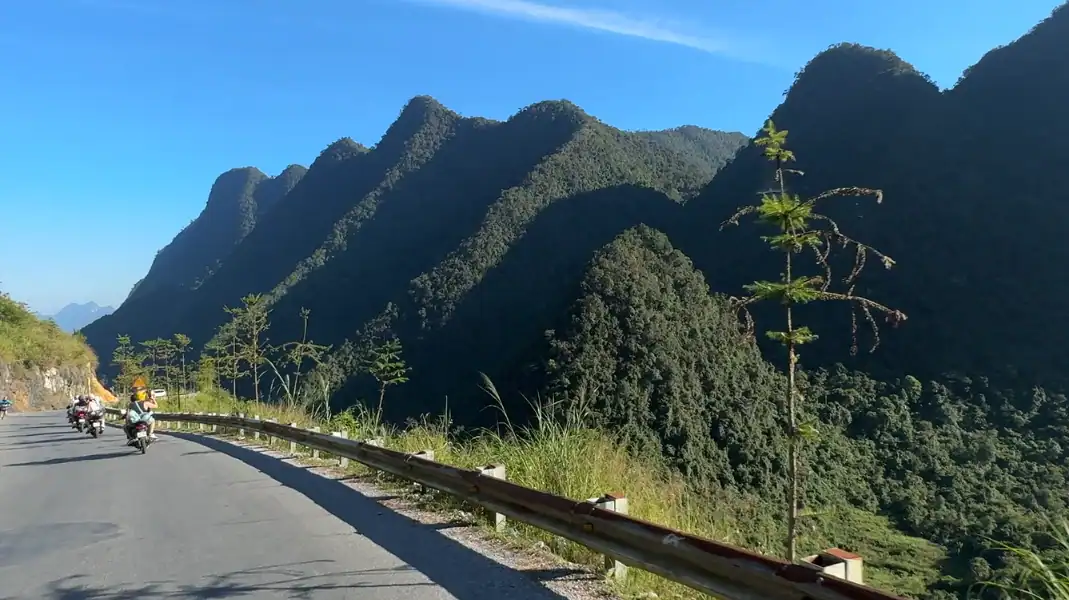
Highway 4C features sheer drops, loose gravel on sharp bends, and oncoming commercial trucks. In a shared group of 20 motorbikes, riders must maintain a rigid convoy formation to stay on schedule.
On a private trip, you determine the rhythm. If you wish to linger at a quiet viewpoint over Tu San Canyon, explore a secluded Dao Ao Dai village, or stop early during rain, your guide adjusts immediately. A slower pace is fundamentally a safer pace on mountain passes.
2. Evening atmosphere and restful sleep
Shared tours cater primarily to backpackers seeking a vibrant, communal hostel atmosphere with evening drinking games. While enjoyable for some, this environment does not suit travelers seeking quiet relaxation.
Private tours prioritize restorative downtime. Evenings are spent enjoying family-style home-cooked dinners and resting in quiet stilt-house rooms, ensuring you are refreshed for long days of mountain riding.
3. Direct support for local communities
Commercial shared tour convoys frequently direct large crowds to standardized, high-volume tourist stops. Private trips enable travelers to visit and support smaller family-run homestays and village kitchens, keeping tourism revenue directly within indigenous communities.
What a fair loop tour should include, and hidden costs to avoid
| Required Inclusions | Standard Quality Specification | Common Hidden Cost Pitfalls |
|---|---|---|
| Motorcycle and Fuel | Well-maintained 110cc to 150cc bike with fuel fully covered | Daily “fuel surcharges” demanded en route |
| Dedicated Easy Rider | 1:1 pairing with a licensed, experienced local highland driver | Unvetted riders or pressure on guests to self-drive |
| Homestay Lodging | Clean private room with proper bedding in authentic village homestays | Crowded dorms with unexpected towel or blanket fees |
| Daily Meals | Full breakfasts, roadside lunches, and evening family-style dinners | Only breakfast included; overpriced tourist meal stops |
| Permits and Tickets | Ha Giang border entry permit (260,000 VND) and Nho Que boat ticket | Permits omitted, risking police check fines |
| Protective Gear | Certified 3/4 or full-face helmet with knee and elbow protective armor | Flimsy half-shell plastic construction helmets |
The classic 3-day and 4-day routes
The 3-day loop (Core Circuit)
- Day 1 (Ha Giang City to Dong Van, ~140 km): Ascend Bac Sum Pass, stop at Quan Ba Heaven Gate and the Twin Mountains, climb Tham Ma Pass, explore the historic Hmong King’s Palace (Dinh Vua Meo), and sleep in Dong Van old town.
- Day 2 (Dong Van to Meo Vac / Du Gia, ~110 km): Ride Ma Pi Leng Pass, cruise through Tu San Canyon along the Nho Que River, and continue through Meo Vac into the lush valley of Du Gia.
- Day 3 (Du Gia to Ha Giang City, ~95 km): Swim at Du Gia Waterfall, stop at Lung Tam traditional linen-weaving village, cross Quan Ba Pass, and return to Ha Giang City.
The 4-day loop (Extended Circuit)
The 4-day route covers the same iconic passes while adding a northward excursion to Lung Cu Flag Tower and granting extra time to explore rural hamlets around Mau Due and Du Gia. Daily riding distances are shorter, providing an easier pace.
5 items to prepare before you go
- 1. Soft 20-30 L Daypack: Bring only essentials on the bike. Large suitcases should be left securely at base storage before departure.
- 2. Sturdy Closed Footwear: Wear trail running shoes or hiking boots. Sandals and flip-flops are unsafe on footpegs.
- 3. Layered Clothing and Windproof Outerwear: Highland passes experience sharp temperature shifts. Pack a lightweight fleece and a waterproof windbreaker.
- 4. Sun and Wind Protection: UV exposure is strong at high altitudes. Carry UV-rated sunglasses, sunscreen, and lip balm.
- 5. Power Bank in Waterproof Pouch: Cold pass temperatures, continuous camera use, and phones searching for signals in remote valleys drain batteries quickly; carry a 10,000-20,000 mAh portable charger.
Frequently asked questions
Does TVPalm run shared group tours?
No. TVPalm operates private trips only. Each booking is arranged exclusively for your party with dedicated local Easy Riders, ensuring you never ride with strangers or follow a forced group pace.
I am traveling alone. Can I book a private tour with TVPalm?
Yes. A private trip can be arranged for a single guest paired 1:1 with an experienced local Easy Rider. While the per-person rate is higher than a shared dorm tour, it offers complete itinerary flexibility and personalized guidance.
What happens if it rains along the mountain passes?
Highland weather can change rapidly. Quality rain suits and waterproof luggage covers are provided. On wet roads, riders reduce speed significantly, and if a pass becomes hazardous due to rain, the guide adjusts the schedule safely.
Written by Nguyễn Văn Trung, founder of TVPalm.


