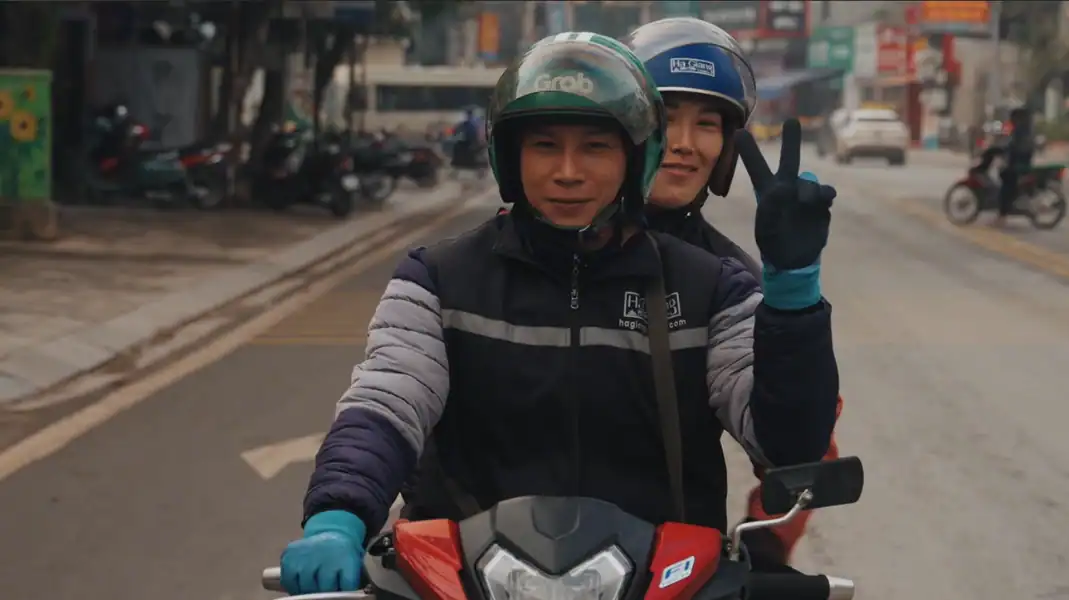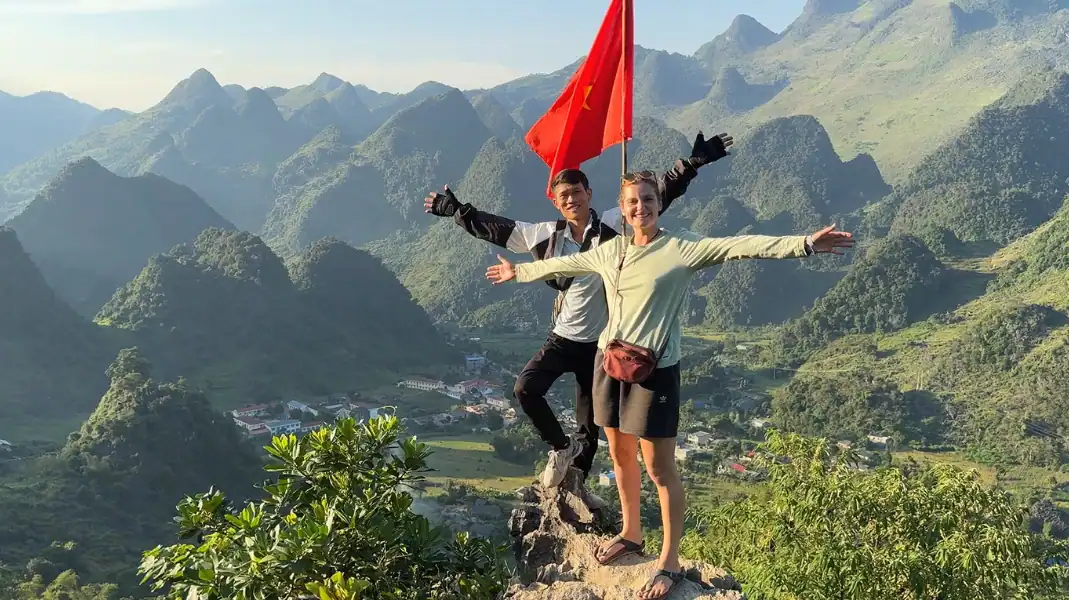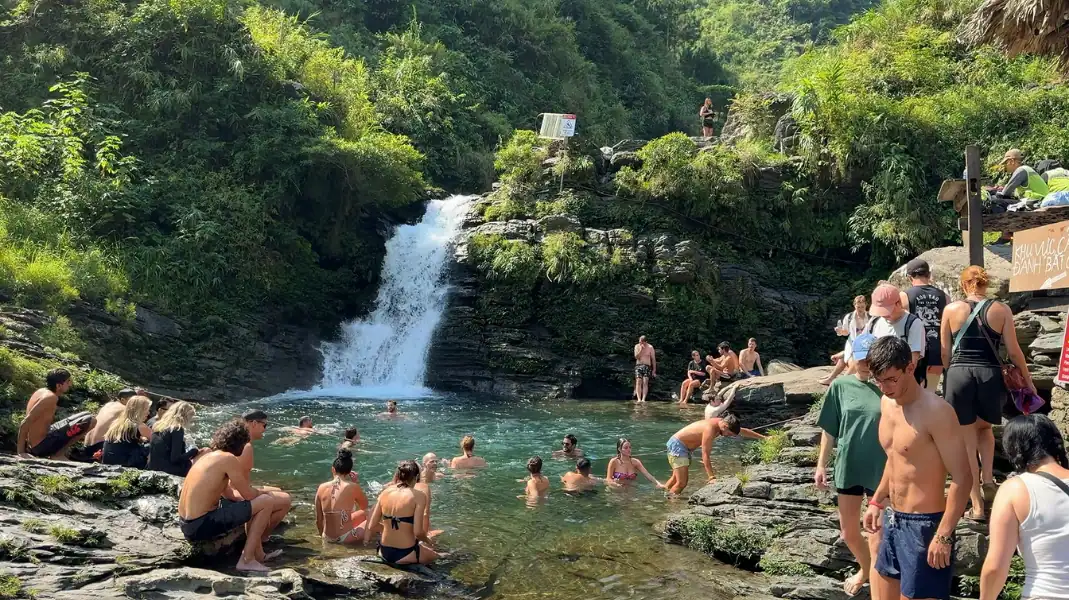
Embarking on the Ha Giang Loop is an adventure of a lifetime, and capturing its breathtaking beauty through photography is a must. This guide is designed to equip you with the essential photography tips for your motorbike journey, ensuring you bring home a visual story as epic as the landscapes themselves.
As Nguyen Trung, CEO of TVPalm Ecolodge/Adventure, with over 20 years of experience in inbound tourism and experiential travel, I’ve navigated these roads countless times and am here to share my practical insights to help you capture every stunning moment safely and effectively.
Prioritize Safety: Your Ride, Your Shots
Safe Stopping Practices
Always find a designated, safe pull-off area completely off the road before stopping to take photos. Avoid sudden stops or parking on blind curves, especially on the winding “cung đường Hà Giang”. Your safety and the flow of traffic come first.
Quick Camera Access
Efficiently accessing your camera or phone without fumbling is crucial. Consider using a chest mount for action cameras like a GoPro, or a secure tank bag for larger cameras. This allows for quick shots without compromising stability or attention.
Awareness of Surroundings
Remain mindful of traffic, local people, and potential hazards while focusing on your shot. Never compromise your safety or the safety of others for a photo. The “du lịch Hà Giang bằng xe máy” experience demands constant vigilance.
Protecting Yourself and Gear
Secure your camera gear to prevent drops or damage while riding. Padded bags and waterproof covers protect against the elements. Always wear appropriate riding gear to protect yourself from falls and the weather.

Essential Photography Gear for the Ha Giang Loop
The best camera for the Ha Giang Loop balances quality with portability, ensuring you capture stunning images without excessive bulk.
Camera Types for Every Rider
High-end smartphones offer excellent image quality and convenience for casual photographers, making them ideal for capture the moment.
Action cameras like GoPro are perfect for dynamic footage and durability. Mirrorless cameras provide superior quality and portability, while DSLRs offer professional results, though they require more careful handling due to their bulk.
Must-Have Lenses
A versatile wide-angle lens (16-35mm equivalent) is essential for capturing the vast landscapes and winding roads. A standard zoom (24-70mm equivalent) serves well for general use and environmental portraits. A compact telephoto (70-200mm equivalent) helps compress distant mountain layers and capture candid shots of local life.
Crucial Accessories
Carry multiple spare batteries, as charging opportunities can be limited. Ample memory cards (128GB+ recommended) ensure you have enough storage. A lightweight and portable tripod is invaluable for stability and low-light shots. Essential filters like a Circular Polarizer (CPL) reduce glare and enhance colors, making your “cảnh đẹp Hà Giang” truly pop.
Safeguarding Your Equipment from Ha Giang’s Elements
The Ha Giang Loop presents environmental challenges like dust, rain, and vibration that can damage unprotected gear.
Waterproof and Dustproof Solutions
Waterproof dry bags and rain covers for cameras are crucial to protect against moisture and dust. Padded inserts add an extra layer of protection against bumps, keeping your gear safe from the unpredictable weather.
Vibration Absorption
Use padded camera bags or tank bags that absorb vibrations better than hard cases. This prevents internal damage to sensitive electronics, a common concern when riding a motorbike for extended periods.
Lens Protection
Employ UV filters to protect the front element of lenses from scratches and dust. Always carry microfiber cloths for cleaning, ensuring clear shots even after riding dusty roads or through misty conditions.
Secure Carrying Solutions
Pack and carry camera gear securely and accessibly on your motorbike. Tank bags offer quick access, while backpacks with padded inserts distribute weight effectively. Chest mounts are excellent for action cameras, providing stable footage.
Master Ha Giang’s Iconic Landscapes: Composition Techniques
Rule of Thirds and Leading Lines
Apply the rule of thirds to balance elements within your frame. Use winding roads, rivers like the Nho Que, or mountain ridges as leading lines to draw the viewer’s eye into the vast landscapes, emphasizing the scale of the “cảnh đẹp Hà Giang”.
Framing and Scale
Utilize natural frames such as rock formations or tree branches to add depth and context to your shots. Include a motorbike or a person in your frame to emphasize the immense scale of the mountains and canyons, creating a powerful sense of adventure.
Experiment with Angles
Encourage shooting from various perspectives. Try low angles to highlight foreground elements or elevated viewpoints for sweeping panoramas. This helps in finding “những góc chụp ảnh độc đáo ở Hà Giang Loop”.
Capturing Movement
Convey the sense of adventure and movement by using techniques like slight motion blur for passing motorbikes, but only when safely pulled over. This adds dynamism to your “nhiếp ảnh du lịch mạo hiểm” shots.
Capturing the Human Element: Ethical Cultural Photography
Always Ask for Permission
Emphasize the importance of asking for permission before photographing individuals, especially children or in sensitive cultural settings. A smile and a gesture go a long way in building trust and respect.
Respectful Interaction
Engage in friendly conversation or offer a small gesture of appreciation before and after taking photos. This fosters a positive exchange and helps you connect with the “người dân tộc thiểu số”.
Candid vs. Posed Shots
Balance candid shots that capture authentic daily life with posed portraits, ensuring the subject is comfortable. Both styles contribute to a comprehensive visual story of your journey.

Cultural Sensitivity
Be mindful of local customs and traditions. Avoid any actions that might be perceived as intrusive or exploitative. Your goal is to document, not to disrupt, the local way of life.
Best Photography Spots on the Ha Giang Loop
Ha Giang offers numerous iconic locations, each with unique photographic potential, making it a dream for any “phượt thủ Hà Giang”. These “địa điểm check-in Hà Giang” provide endless opportunities for stunning shots.
Ma Pi Leng Pass
Capture the dramatic views of the Nho Que River and Tu San Canyon. The “Đèo Mã Pì Lèng” is best in early morning or late afternoon for soft, golden light.

Nho Que River
Take boat trips for unique perspectives from water level, emphasizing the emerald-green water and deep canyon walls of the “Sông Nho Quế”.

Quan Ba Heaven Gate & Twin Mountains
Offers panoramic views over the Tam Son Valley. The “Cổng Trời Quản Bạ” provides a sweeping vista.

Tham Ma Pass
Famous for its zig-zag road, ideal for wide-angle or drone shots from above, showcasing the impressive engineering and natural beauty.

Lung Cu Flag Tower
Vietnam’s northernmost point, the “Cột cờ Lũng Cú” offers expansive views of the border region and surrounding landscapes.
Dong Van Karst Plateau Geopark
Capture the ancient rock formations and unique geological features of this UNESCO-recognized site, especially around “Đồng Văn” and “Mèo Vạc”.
Buckwheat Flower Fields
(October-November) for vibrant pink and white landscapes, a truly iconic sight in “Yên Minh” and “Đồng Văn”.
Hoang Su Phi Rice Terraces
Especially stunning during the golden harvest season (September-October) and the water-pouring season (May-June), offering breathtaking “Ruộng bậc thang Hoàng Su Phì” views.
Smartphone Photography Hacks for Stunning Ha Giang Photos.
Leverage Pro Mode
Utilize your phone’s “Pro” or “Manual” mode to control ISO, shutter speed, and white balance. This gives you greater creative control and better results in varying light conditions, making your “điện thoại thông minh” a capable camera.
Composition Grid
Turn on the grid overlay to help apply the rule of thirds and other compositional guidelines. This simple hack significantly improves the balance and appeal of your photos.
HDR for Landscapes
Use HDR (High Dynamic Range) mode to balance exposure in scenes with bright skies and dark foregrounds, common in mountainous areas. This helps capture detail in both highlights and shadows.
Panoramic Shots
Master the panoramic mode to capture the sweeping vistas of Ha Giang’s landscapes. This is perfect for conveying the immense scale of the mountains and valleys.
Mobile Editing Apps
Recommend user-friendly apps like Adobe Lightroom Mobile or Snapseed for quick adjustments to brightness, contrast, and color saturation directly on your phone. These “app chỉnh ảnh đẹp cho ảnh Hà Giang” allow you to enhance your images on the go.
Harnessing Light: Golden Hour, Blue Hour, and Challenging Conditions
Golden Hour Magic
Plan your shoots around sunrise and sunset for the soft, warm light that enhances colors and creates dramatic shadows. This “golden hour” is ideal for landscapes and portraits, offering a magical glow.
Blue Hour Serenity
Capture the unique, soft, and cool light just before sunrise and after sunset for serene and atmospheric shots. This “blue hour” provides a tranquil mood, perfect for capturing the quiet beauty of the mountains.
Dealing with Harsh Midday Sun
In bright conditions, seek shade, use a CPL filter to reduce glare, or focus on high-contrast scenes. Avoid direct overhead sun if possible, as it can create harsh shadows.
Fog and Mist
Embrace foggy conditions for moody and ethereal shots. Focus on silhouettes and atmospheric depth to create captivating images that convey the mysterious beauty of Ha Giang.

Minimizing Vibration
For sharp photos even with slight movement, use a fast shutter speed or brace yourself against a stable object. This is particularly useful when shooting from a motorbike, ensuring “làm thế nào để chụp ảnh rõ nét khi đi xe máy ở Hà Giang”.
Which photography tip is the most important for the Ha Giang Loop?
Based on the criteria presented, the single most crucial photography tip for the Ha Giang Loop is Prioritize Safety: Your Ride, Your Shots. This is because, without ensuring your safety and the safety of others on these challenging roads, no amount of photographic skill or expensive gear will matter.
The Ha Giang Loop is renowned for its beauty but also its demanding terrain. Stopping safely, being aware of your surroundings, and securing your gear are non-negotiable. By making safety your absolute priority, you create the foundation for a successful and enjoyable trip, allowing you to then confidently apply all other photography techniques and capture truly memorable images.
Frequently Asked Questions About Photography on the Ha Giang Loop
Is it safe to stop anywhere for photos on the Ha Giang Loop?
No, it is not safe to stop just anywhere. Always look for designated pull-off areas or wide, straight sections of the road where you can safely pull over completely, away from traffic, before taking out your camera. Never stop on blind curves or narrow stretches.
How do I protect my camera gear from dust and rain on a motorbike trip?
To protect your gear, use waterproof dry bags or rain covers for your camera and lenses. Padded inserts within a tank bag or backpack can absorb vibrations and provide an extra layer of protection against dust and minor impacts. Always carry microfiber cloths for cleaning.
When is the best time to visit Ha Giang for photography?
The best time is generally Autumn (September to November). September and October offer golden rice terraces, while November is famous for buckwheat flower fields. The weather during this period is typically clear, cool, and dry, providing optimal conditions for photography.