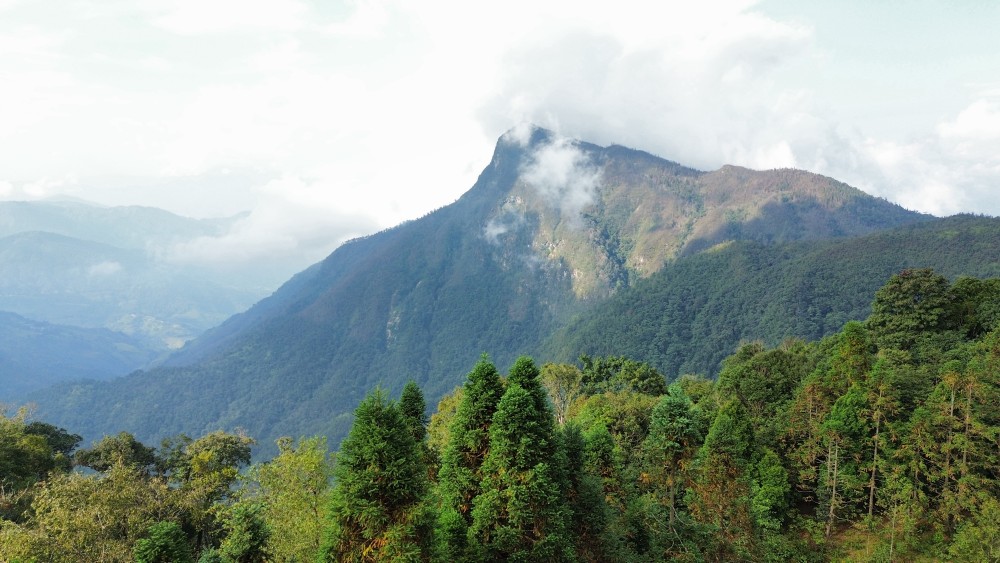
Tay Con Linh is more than just a coordinate on a map; it is a sacred symbol of Northern Vietnam. Many travelers ask about the true meaning behind this name before they begin their journey. This article reveals the linguistic roots and spiritual legends of the “Roof of the Northeast” to enrich your upcoming adventure.
I am Nguyen Van Trung, CEO of TVPalm. With over 10 years of trekking experience in Ha Giang, I have spent countless days exploring these peaks to bring you the most authentic cultural insights.
Why the name Tay Con Linh matters to your journey
Understanding the soul of the mountain
Every peak has a story. This mountain stands at 2,427 meters. It is the highest point in Northeast Vietnam. Its name reflects its power and its place in the hearts of the local people. Understanding this soul helps you respect the land you conquer.
Why I wrote this guide for conscious travelers
I have spent 10 years trekking through Ha Giang. I have led dozens of groups to this summit. I want you to feel the deep connection that I feel.
TVPalm believes that knowledge enriches every step of your travel. We provide this guide to help you move beyond simple sightseeing.
The etymology of Tay Con Linh
The name comes from Sino-Vietnamese roots. It describes the mountain’s location and its grand character. Each syllable tells a different part of the story.
Tay: The western gateway of Ha Giang
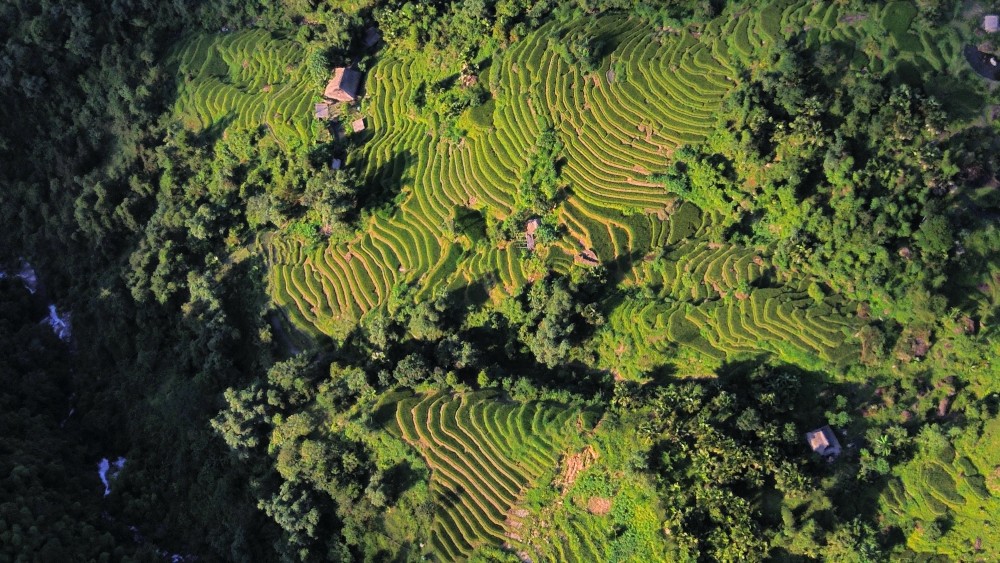
“Tay” means West. This is a simple geographical fact. The range sits in the western part of Ha Giang province. It spans across two districts: Hoang Su Phi and Vi Xuyen. It marks the western boundary of the high rocky plateaus.
Con: The legend of the Kunlun mountains
“Con” is a profound word. It refers to the Kunlun mountains. In ancient Eastern myths, Kunlun is the axis of the universe. It is the home of immortals and gods. By using this word, the ancestors compared this peak to the most sacred mountains in the world.
Linh: More than just a single peak
“Linh” means a long mountain range or a high pass. It is not a single, isolated peak. It is a series of rugged ridges that stretch across the horizon. This word emphasizes the vastness of the terrain that you will explore on the Tay Con Linh trekking tour with TVPalm.
The spiritual symbolism of the name
The name creates a sense of awe. Local ethnic groups like the Dao and Tay deeply respect this peak. They do not see it as just a pile of rocks.
A pillar between heaven and earth
At 2,427 meters, the peak often disappears into the mist. Locals see it as a pillar. It connects the world of humans with the world of spirits. The meaning of the name “Tay Con Linh” reminds us of this vertical connection to the sky.
The protective wall of the northern border
The range stands firm on the northern frontier. It acts as a natural fortress. It protects the valleys from harsh winds and historical invaders. For the people of Ha Giang, the mountain is a silent guardian that never sleeps.
Why the name Tay Con Linh matters to your journey
A name is more than a label. It is an identity. For this majestic range, the meaning of the name “Tay Con Linh” defines its history and spirit. When you understand the name, your trek becomes a cultural dialogue. You are not just walking on dirt. You are stepping into a legend.
Understanding the soul of the mountain
Every peak has a story. This mountain stands at 2,427 meters. It is the highest point in Northeast Vietnam. Its name reflects its power and its place in the hearts of the local people. Understanding this soul helps you respect the land you conquer.
Why I wrote this guide for conscious travelers
I have spent 10 years trekking through Ha Giang. I have led dozens of groups to this summit. I want you to feel the deep connection that I feel. TVPalm believes that knowledge enriches every step of your travel. We provide this guide to help you move beyond simple sightseeing.
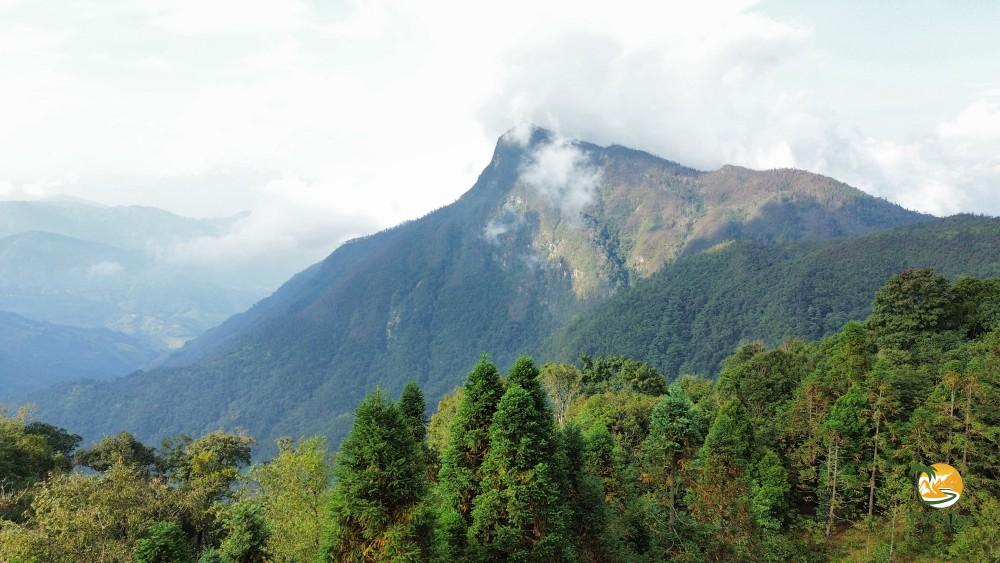
The etymology of Tay Con Linh
The name comes from Sino-Vietnamese roots. It describes the mountain’s location and its grand character. Each syllable tells a different part of the story.
Tay: The western gateway of Ha Giang
“Tay” means West. This is a simple geographical fact. The range sits in the western part of Ha Giang province. It spans across two districts: Hoang Su Phi and Vi Xuyen. It marks the western boundary of the high rocky plateaus.
Con: The legend of the Kunlun mountains
“Con” is a profound word. It refers to the Kunlun mountains. In ancient Eastern myths, Kunlun is the axis of the universe. It is the home of immortals and gods. By using this word, the ancestors compared this peak to the most sacred mountains in the world.
Linh: More than just a single peak
“Linh” means a long mountain range or a high pass. It is not a single, isolated peak. It is a series of rugged ridges that stretch across the horizon. This word emphasizes the vastness of the terrain you will explore with TVPalm.
The spiritual symbolism of the name
The name creates a sense of awe. Local ethnic groups like the Dao and Tay deeply respect this peak. They do not see it as just a pile of rocks.
A pillar between heaven and earth
At 2,427 meters, the peak often disappears into the mist. Locals see it as a pillar. It connects the world of humans with the world of spirits. The meaning of the name “Tay Con Linh” reminds us of this vertical connection to the sky.
The protective wall of the northern border
The range stands firm on the northern frontier. It acts as a natural fortress. It protects the valleys from harsh winds and historical invaders. For the people of Ha Giang, the mountain is a silent guardian that never sleeps.
The mystery of Shan Tuyet tea and the name connection
Tea is the soul of this peak. The meaning of the name “Tay Con Linh” is deeply tied to its ancient tea forests. These trees are not just plants. They are the history of the mountain.
Correcting the “Shan” vs “San” linguistic error
Many people write “Shan” Tuyet tea. This is a common mistake. The correct word is “San.” In Sino-Vietnamese, “San” (山) means mountain. Therefore, “San Tuyet” translates to “Snow on the Mountain.” This refers to the white, snowy fuzz found on the tea buds. It is a direct link to the high, cold environment of the range.
Ancient tea trees as living witnesses of the mountain
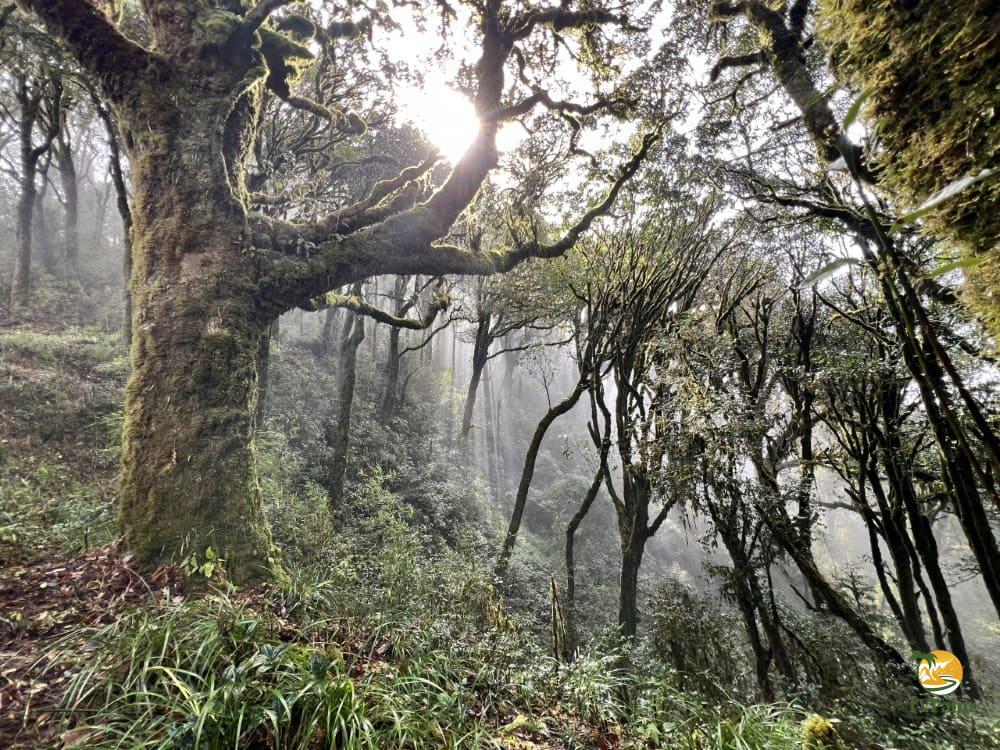
These tea trees are legends. Many are between 300 and 500 years old. They grow at altitudes above 2,000 meters. Their roots go deep into the rocky soil. They have survived centuries of harsh storms and frost. When you touch their mossy trunks, you touch the living history of Ha Giang.
Why tea from Tay Con Linh is the most valuable in Vietnam
This tea is a rare treasure. The unique climate and minerals create a deep, honey-like flavor. TVPalm guests often enjoy a cup of this tea at the summit. It is valuable because it is wild and hand-harvested by local ethnic groups. There are no chemicals here. Only nature and time.

Frequently asked questions about Tay Con Linh
Is Tay Con Linh higher than Fansipan
No. Fansipan is 3,143 meters high. Tay Con Linh stands at 2,427 meters. However, do not be fooled by the numbers. Tay Con Linh is much more remote and rugged. It offers a wilder experience with fewer tourists. It is a true challenge for those seeking silence and raw nature.
What does the name mean for the local Dao people
To the Dao people, the mountain is a sacred guardian. The meaning of the name “Tay Con Linh” represents their “Great Wall.” It protects their villages from the cold northern winds. They believe spirits live in the ancient trees. They always enter the forest with deep respect.
Can foreigners trek Tay Con Linh without a guide
No. This is a sensitive border area. You must have a border permit from the Ha Giang police. Navigation is also difficult due to thick mist and steep trails. I highly recommend hiring a professional guide. TVPalm provides expert guides and handles all 2 necessary permits for your safety and legal entry.