

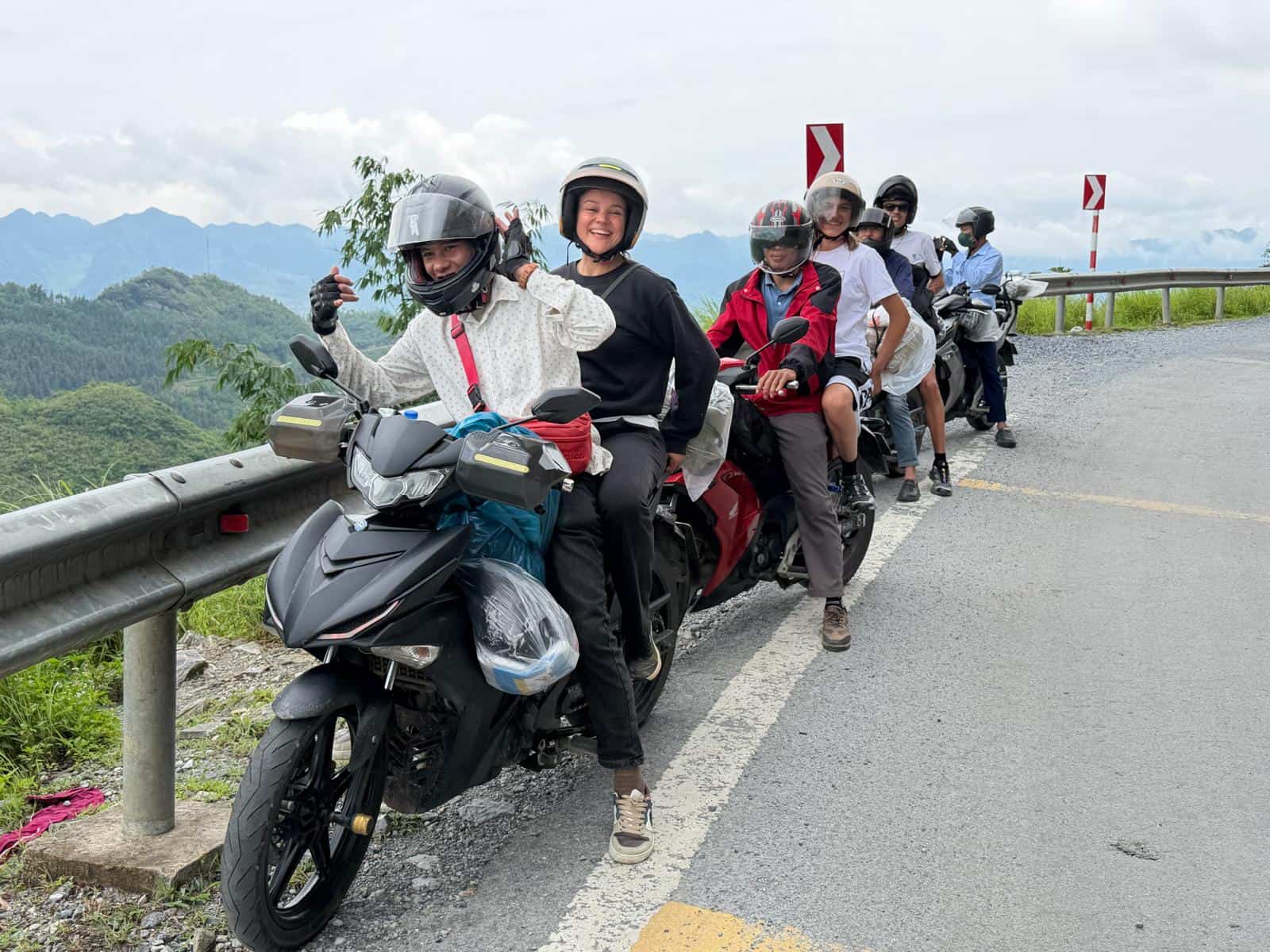
Planning your first journey along the Ha Giang Loop is an exhilarating adventure, but traversing northern Vietnam’s highest mountains requires preparation.
This 350-kilometre route across the UNESCO-recognized Dong Van Karst Plateau scales dramatic limestone passes, drops into deep river canyons, and visits ethnic villages. First-timers must understand route options, permits, packing strategies, and safety dynamics before arriving.
At TVPalm, we operate 100% private tailor-made tours. We do not offer self-drive rentals because navigating mountain passes without local expertise poses serious risks. Instead, guests explore with licensed drivers on Easy Rider tours or travel in private SUVs and 4WD vehicles. This manual outlines everything beginners need for a safe 2026 adventure.
Choosing Your Transport Easy Rider vs Private Car for First-Timers
Deciding how to travel the loop is your most critical choice. TVPalm offers two dependable guided formats:
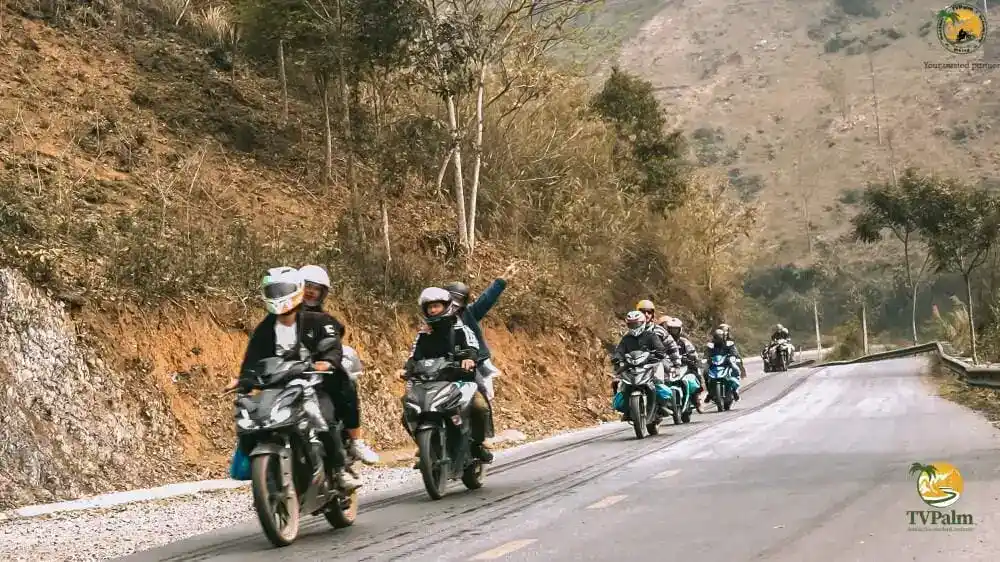
- Private Easy Rider Motorbike (Option 1): Ride pillion behind an experienced driver on a 150cc motorcycle (Honda Winner X). Enjoy 360-degree views and hands-free photography while your guide manages throttle, shifting, and braking.
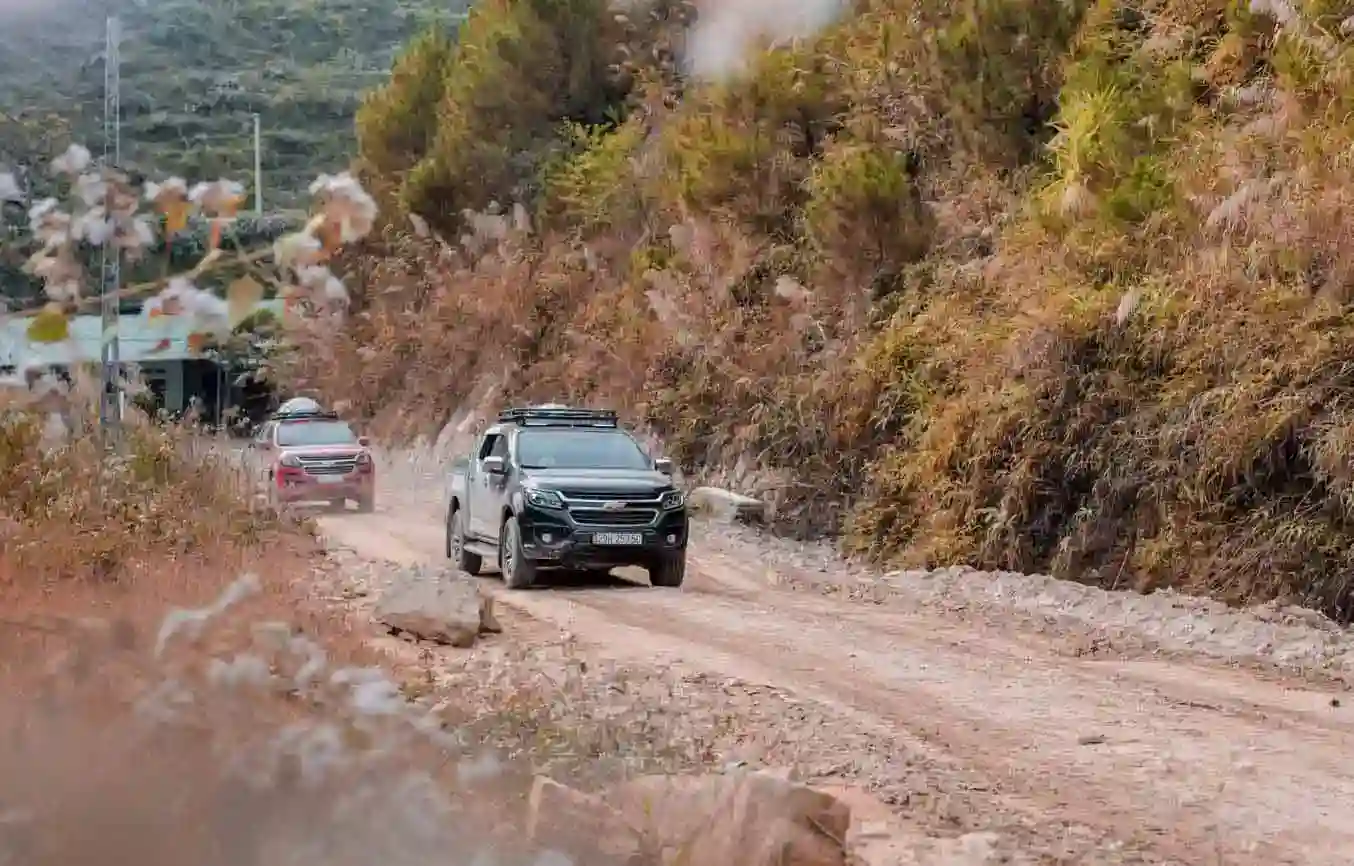
- Private Car or 4WD: Travel in an enclosed SUV or 4WD with climate control, full luggage capacity, and all-weather protection for families or small groups.
Self-driving without extensive mountain experience is heavily discouraged. Review our detailed comparison of the Ha Giang Loop by car or motorbike.
How Many Days Do You Need?
| Itinerary Factor | 3-Day Express Circuit | 4-Day Beginner Circuit (Recommended) |
|---|---|---|
| Total Distance | Approximately 320 km | Approximately 350 km |
| Daily Road Time | 5.5 to 7 hours | 3.5 to 4.5 hours |
| Travel Pace | Fast-paced with limited rest breaks | Relaxed with ample photography stops |
| Side Detours Included | Core highway viewpoints only | Lung Cu Flag Tower, Sky Path, Du Gia Waterfall |
| Physical Fatigue | High saddle strain by Day 3 | Moderate and manageable for non-riders |
| Best For | Travellers with strict time limits | First-time visitors and active photographers |
Classic 4-Day Beginner Itinerary Breakdown
Day 1: Ha Giang City to Quan Ba and Yen Minh (Approx. 100 km)
Leaving Ha Giang City along National Highway QL4C, you ascend the winding hairpins of Bac Sum Pass before reaching Quan Ba Heaven Gate at 1,100 metres elevation. After admiring the Fairy Twin Mountains, you wind through limestone valleys into the cool pine forests of Yen Minh for your first homestay night.
Day 2: Yen Minh to Dong Van via Tham Ma Pass (Approx. 85 km)
Day 2 begins with the serpentine curves of Tham Ma Pass, followed by Chin Khoanh Pass. You visit the historic Hmong King Palace (Dinh Vua Meo) in Sa Phin Valley to learn about regional heritage, before continuing to the northernmost tip at Lung Cu Flag Tower. The evening is spent in Dong Van Old Quarter.
Day 3: Dong Van to Ma Pi Leng Pass, Meo Vac, and Du Gia (Approx. 95 km)
This is the loop’s most spectacular day. You conquer Ma Pi Leng Pass, towering 1,500 metres above sea level, with breathtaking views over Tu San Canyon. After descending for a boat trip along the turquoise Nho Que River, you ride through Meo Vac and traverse scenic mountain roads into the green valley of Du Gia.
Day 4: Du Gia Waterfall and Return to Ha Giang City (Approx. 75 km)
After a morning swim at Du Gia Waterfall, you ride through peaceful Tay and Hmong agricultural settlements along DT176 and QL34, completing the loop back in Ha Giang City by mid-afternoon.
Border Permits, Documents, and Legal Requirements (2026)
Foreign travellers visiting border districts like Dong Van and Meo Vac must obtain an official border entry permit issued by the Ha Giang Immigration Office:
- Permit Cost: 260,000 VND (approximately $10) per traveller.
- Processing: On all TVPalm private tours, our team arranges your border permit in advance using passport details, eliminating administrative delays.
- Passports: Always carry your original physical passport, as local checkpoints and homestays require it for nightly registration.
Operating a motorcycle above 50cc in Vietnam requires a domestic motorcycle licence and an International Driving Permit (IDP) issued under the 1968 Vienna Convention.
IDP permits under the 1949 Geneva Convention (used in the US, Canada, Australia, and the UK) are invalid. Driving without an accepted licence risks police fines, vehicle impoundment, and voided insurance. Booking an Easy Rider removes all legal complications.
Realistic Budgeting and Transparent Tour Pricing
Private Easy Rider Tour Pricing (Option 1 – Honda Winner X 150cc)
- 2 Days – 1 Night Loop Tour: $225 per person
- 3 Days – 2 Nights Loop Tour: $319 per person (Popular short route)
- 4 Days – 3 Nights Loop Tour: $359 per person (Recommended beginner route)
- 7 Days – 6 Nights Extended Loop: $885 per person (Includes Ba Be Lake and Ban Gioc Waterfall)
- 8 Days – 7 Nights Grand Loop: $1,050 per person (Complete northern overland route)
Review complete day-by-day itineraries on our 3 Days – 2 Nights Ha Giang Loop and our 4 Days – 3 Nights Ha Giang Loop itinerary. Private car and 4WD tours are quoted per vehicle, providing great value for small groups.
On-the-Road Cash Strategy
While your tour covers meals and lodging, carry 500,000 to 1,000,000 VND in cash for personal snacks, local coffee, and craft souvenirs. ATMs are reliable in Ha Giang City and Dong Van town, but unavailable in smaller mountain communes.
5 Essential Items to Bring Along:
- 1. Clothing layers: Breathable quick-dry shirts, fleece sweater, and windproof outer jacket. Pass temperatures can drop below 12°C even in warm seasons.
- 2. Sturdy footwear: Closed-toe walking shoes or trainers for day riding, plus light flip-flops for evening homestay relaxation.
- 3. Weather protection: High-SPF sunscreen, lip balm, sunglasses, and a compact travel towel. TVPalm provides quality rain ponchos and safety helmets.
- 4. Electronics: A 20,000 mAh power bank, charging cables, and a waterproof phone pouch on a secure neck lanyard.
- 5. Personal medical kit: Motion sickness tablets, rehydration salts, antiseptic wipes, and band-aids.
Consult our detailed packing list for the Ha Giang Loop for comprehensive equipment advice.
Essential Safety Rules for First-Time Loop Travellers
Mountain passes demand disciplined safety practices:
- No Travel After Dark: Mountain roads lack streetlights, and sudden fog combined with cargo trucks makes night travel unsafe. TVPalm schedules all arrivals at homestays before 17:00.
- Body Positioning on the Bike: Keep both feet firmly on passenger footpegs and lean naturally with your driver through curves. Avoid sudden shifts in weight.
- Frequent Scenic Breaks: Mountain riding strains back and neck muscles. We schedule rest stops every 60 to 90 minutes. Explore scenic resting spots in our guide to scenic rest stops on the Ha Giang Loop.
- Strict Child Safety Policy: Under TVPalm safety rules, children travel exclusively inside private cars, SUVs, or Jeeps with seatbelts. Young children are never allowed as motorbike passengers on mountain passes. Cultural village walks require children to be at least 6 years old, while trekking Tay Con Linh requires an age of 14+.
For more riding advice, review our tips for riding a motorbike in Ha Giang and our guide on the benefits of hiring a Ha Giang Easy Rider.
Best Time to Visit the Ha Giang Loop
Northern Vietnam experiences four distinct seasons, each offering unique scenery as highlighted by Vietnam Tourism:
- September to November (Autumn): The prime travel season. Clear blue skies, minimal rainfall, golden ripening rice terraces in September, and blooming pink buckwheat flower fields across Dong Van in October and November.
- March to May (Spring): Warm, dry weather with peach and plum blossoms across mountain valleys, ideal for comfortable outdoor riding.
- June to August (Summer): Warm valley temperatures reaching 33°C with lush green landscapes, but accompanied by afternoon tropical downpours and landslide risks along unpaved mountain stretches.
- December to February (Winter): Cold, atmospheric winter with temperatures on Ma Pi Leng Pass dropping below 5°C. Heavy winter coats and thermal base layers are required.
Frequently Asked Questions
Is the Ha Giang Loop safe for someone who has never ridden a motorbike?
Yes, when travelling as an Easy Rider passenger. Your licensed local rider handles all navigation, shifting, and braking on technical passes, allowing you to relax and enjoy the scenery. First-timers seeking extra comfort can opt for a private SUV or 4WD vehicle.
How do I get to Ha Giang City from Hanoi?
Most travellers book an overnight sleeper bus or a luxury VIP limousine cabin van from Hanoi to Ha Giang City. The 300-kilometre journey takes approximately 6 hours along highway expressways. TVPalm assists guests with transit arrangements to ensure seamless connections.
What happens if it rains during the loop tour?
Mountain rain is common. TVPalm guides carry professional two-piece rain gear and waterproof shoe covers. During heavy rain, drivers pause at roadside tea houses, reduce speeds, and adjust routes along paved highways to prioritize passenger safety.
Written by Nguyễn Văn Trung, founder of TVPalm. He has led small-group trips across Northeast Vietnam since 2021.


