

Conquering the Ha Giang Loop is a magical journey. However, it is also a physical challenge for every traveler. You need a careful plan to enjoy the mountain passes while staying healthy. This article shares practical health tips for long Ha Giang Loop tours based on real-life experiences.
I am Nguyen Van Trung, CEO of TVPalm. I have over 10 years of experience leading tours and exploring the high mountains in Ha Giang.
Physical and mental preparation
Build muscle endurance
Riding a motorbike for 5 to 7 hours daily puts heavy pressure on your back, neck, and shoulders. I recommend performing core exercises like squats or planks. You should start these exercises at least 14 days before your trip.
This routine helps your body adapt to the physical demands of long rides. At TVPalm, we often see that prepared travelers enjoy the scenery more because they feel less fatigue.
Train your mental focus
Driving through thousands of sharp hairpin turns requires absolute concentration. You must ensure you get 8 hours of sleep each night. A rested mind handles unexpected road situations effectively. I always tell my friends that a calm mind is your best safety gear on the mountains.
Managing motion sickness and altitude
Handle dizzying mountain passes
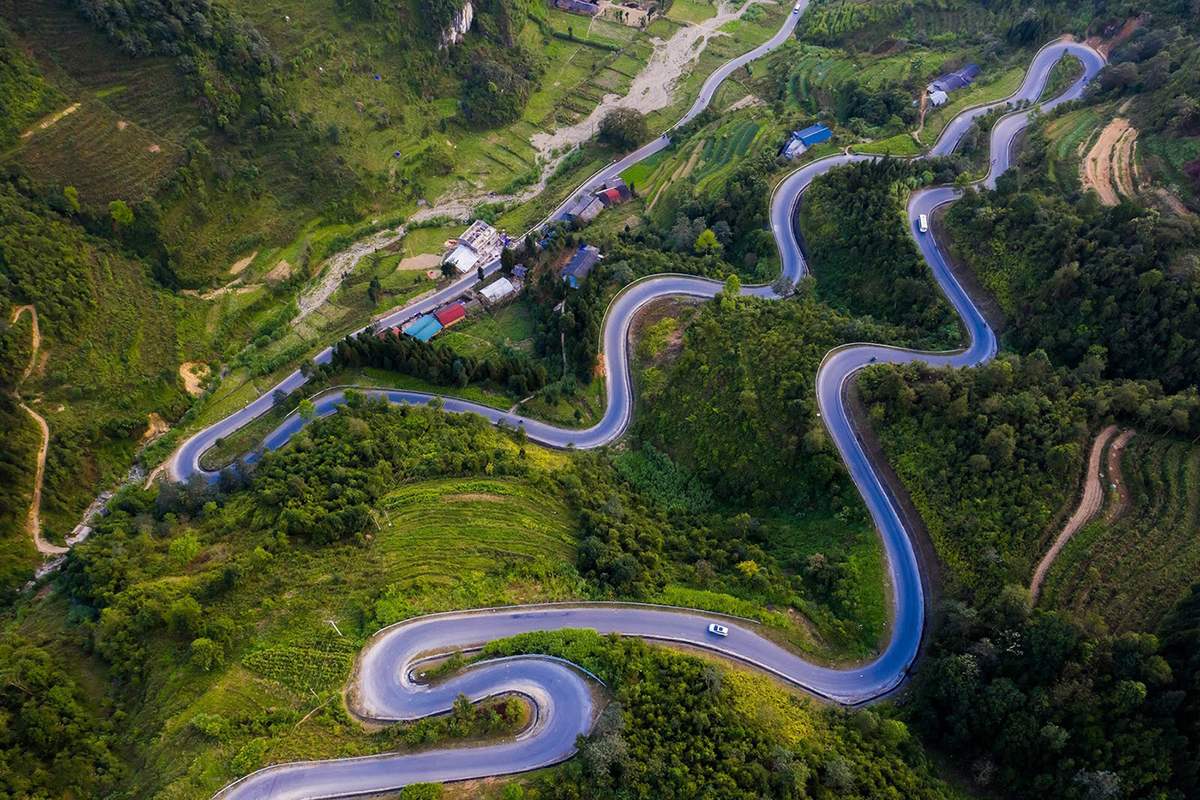
The 300km route through passes like Ma Pi Leng often causes severe nausea. You should take motion sickness medication 30 minutes before departure. Avoid eating large, heavy meals for breakfast. Small, light snacks keep your stomach stable while navigating the winding roads.
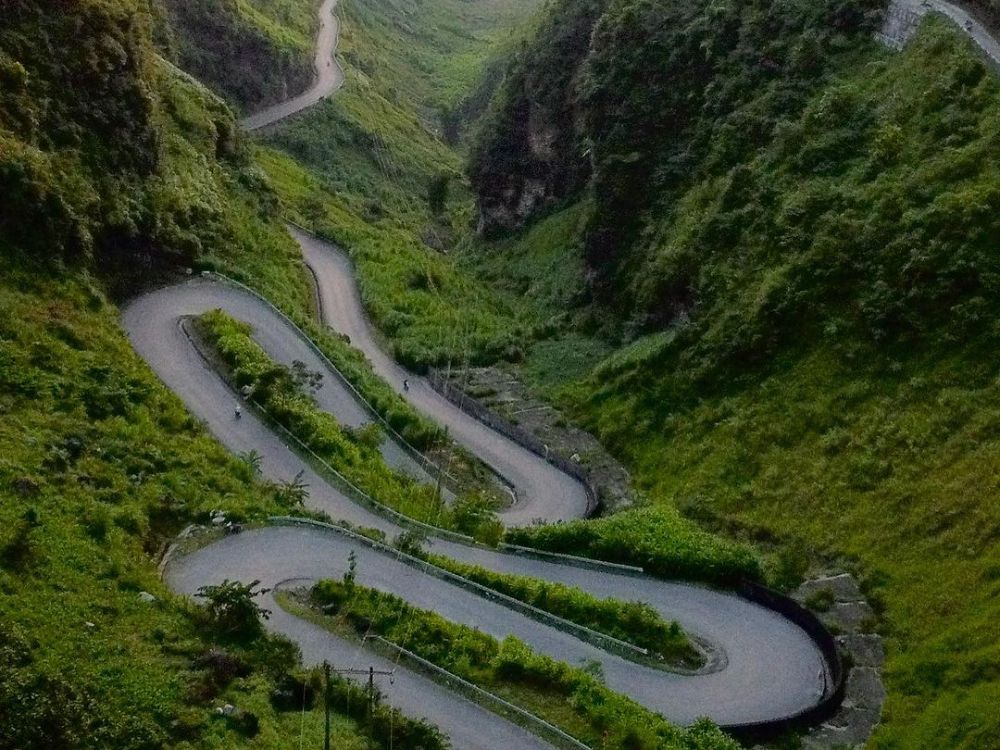
Adapt to the rocky plateau altitude
The Dong Van and Meo Vac areas sit at 1,000m to 1,600m above sea level. This altitude makes the air thinner, which causes you to tire faster. You should move slowly and breathe deeply to help your lungs adapt.
Hydration and electrolyte strategy
Drinking at least 2 liters of water daily is a strict rule. I always carry electrolyte powder packets to replace minerals lost through sweat. This habit prevents common issues like leg cramps and dehydration headaches. Staying hydrated is the simplest way to maintain your stamina during the tour.
Food and water safety
Follow the “hot and cooked” rule
European digestive systems are often sensitive to local bacteria. You should prioritize hot, freshly cooked meals. Avoid raw vegetables and salads if you are unsure about the washing water. My experience at TVPalm shows that sticking to boiled or grilled local specialties keeps your stomach happy.
Be careful with tap water
Never drink water from a tap. Do not use tap water to brush your teeth in remote villages. Only use sealed bottled water from reputable brands. This prevents the risk of intestinal infections that could ruin your 3-day or 5-day journey.
Warnings about rice wine and alcohol
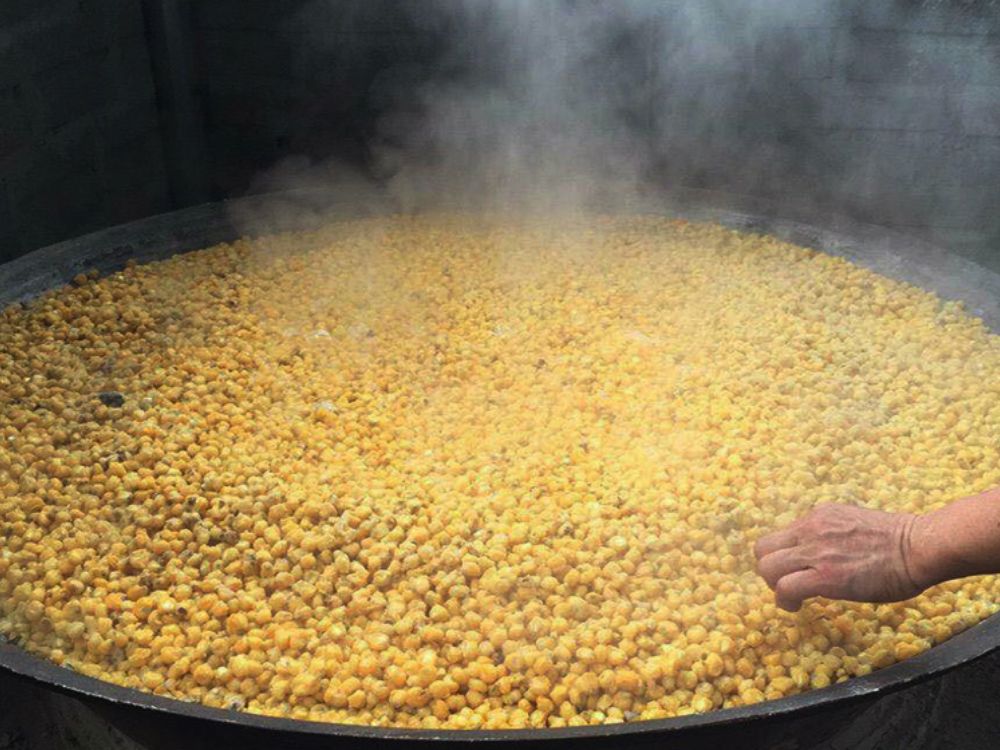
“Happy Water” or rice wine is a famous local tradition. However, it is a danger to your health when driving. Vietnam enforces a strict zero-tolerance policy for alcohol and driving.
Drinking too much causes severe fatigue and headaches the next morning. Stay sober to keep your body ready for the rugged terrain.
Building a specialized personal medical kit
Essential medications to bring
You should prepare a small pouch with four essential items: painkillers (Ibuprofen or Paracetamol), anti-diarrheal pills, antiseptic (Betadine), and bandages. Finding specific Western medicine in remote village pharmacies is very difficult.
Carrying your own supplies is one of the most practical health tips for long Ha Giang Loop tours. At TVPalm, we recommend checking your kit 3 days before departure to ensure nothing is expired.
Protecting skin from high-altitude UV rays
Mountain UV intensity is high even on cloudy days. You should use sunscreen with at least SPF 50. Wear UV-blocking sunglasses to protect your eyes from glare and burns. I suggest reapplying sunscreen every 4 hours to prevent skin damage during long outdoor rides.

Beware of stray animals
Rabies remains a health concern in rural Vietnam. You should not pet or touch stray dogs and cats along the road. Avoiding contact prevents unnecessary medical risks and expensive emergency treatments.
If an animal bites you, seek medical help at the nearest town immediately.
Body recovery after each day’s journey
Basic stretching exercises
Spend 10 minutes stretching your back, neck, and legs after you finish your daily ride. This routine improves blood circulation and reduces muscle soreness the next morning.
I once skipped my stretches after a 6-hour ride and felt extremely stiff the next day. A quick 10-minute session makes a massive difference in your comfort.
Importance of sleep at Homestays
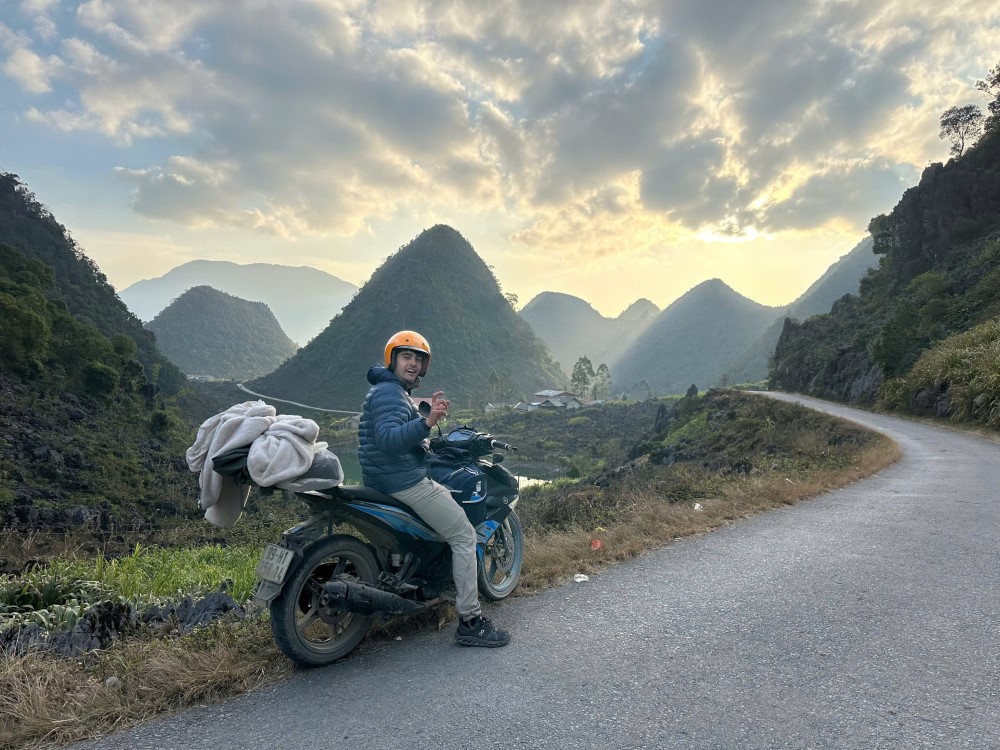
Ha Giang homestays may lack 5-star luxury, but they provide a quiet environment for rest. You should sleep for at least 8 hours to regenerate your energy for the rugged terrain ahead. Deep sleep helps your brain stay sharp for the thousands of turns you will face tomorrow.
Emergency medical support information
You must know the locations of the four major hospitals along the route: Ha Giang City, Yen Minh, Dong Van, and Meo Vac. Always save the phone number of your homestay host or your TVPalm guide when booking a tour with us.
These locals provide vital language support if you need to communicate with a village doctor during an emergency. Knowing where to go saves precious time when you feel unwell.
Health FAQs for the Ha Giang Loop
Do I need vaccinations before the trip?
You should check your medical records at least 30 days before you arrive in Vietnam. I recommend getting vaccinations for Hepatitis A, Hepatitis B, and Typhoid. You must also ensure your Tetanus shot is still valid.
These are standard health tips for long Ha Giang Loop tours to prevent infections in remote mountain areas. Many travelers forget these basics, but being prepared gives you peace of mind throughout the journey.
What is the best diet to maintain energy?
You should focus on slow-digesting carbohydrates and lean proteins during your three main meals. Eat local dishes like brown rice, steamed vegetables, or grilled chicken to stay full longer. During short breaks every 2 hours, you should eat a handful of nuts or dried fruits. This habit keeps your blood sugar stable and prevents sudden fatigue.


