

Ha Giang Loop Weather Ultimate Month-by-Month Travel Guide
Planning a trip to the breathtaking Ha Giang Loop? Understanding the weather is paramount for a safe, comfortable, and truly unforgettable adventure. This comprehensive guide, crafted from over two decades of hands-on experience in Northern Vietnam’s inbound tourism, will equip you with everything you need to know about Ha Giang’s climate, month by month.
As Nguyen Trung, CEO of TVPalm, my goal is to leverage my extensive background in tour coordination and experiential travel to provide you with the most reliable and practical advice, ensuring your journey through this stunning region is perfectly timed and prepared. TVPalm is the leading pioneer in sustainable travel in Northern Vietnam, offering exclusive Tay Con Linh trekking, wildlife tours, and private Ha Giang loops.
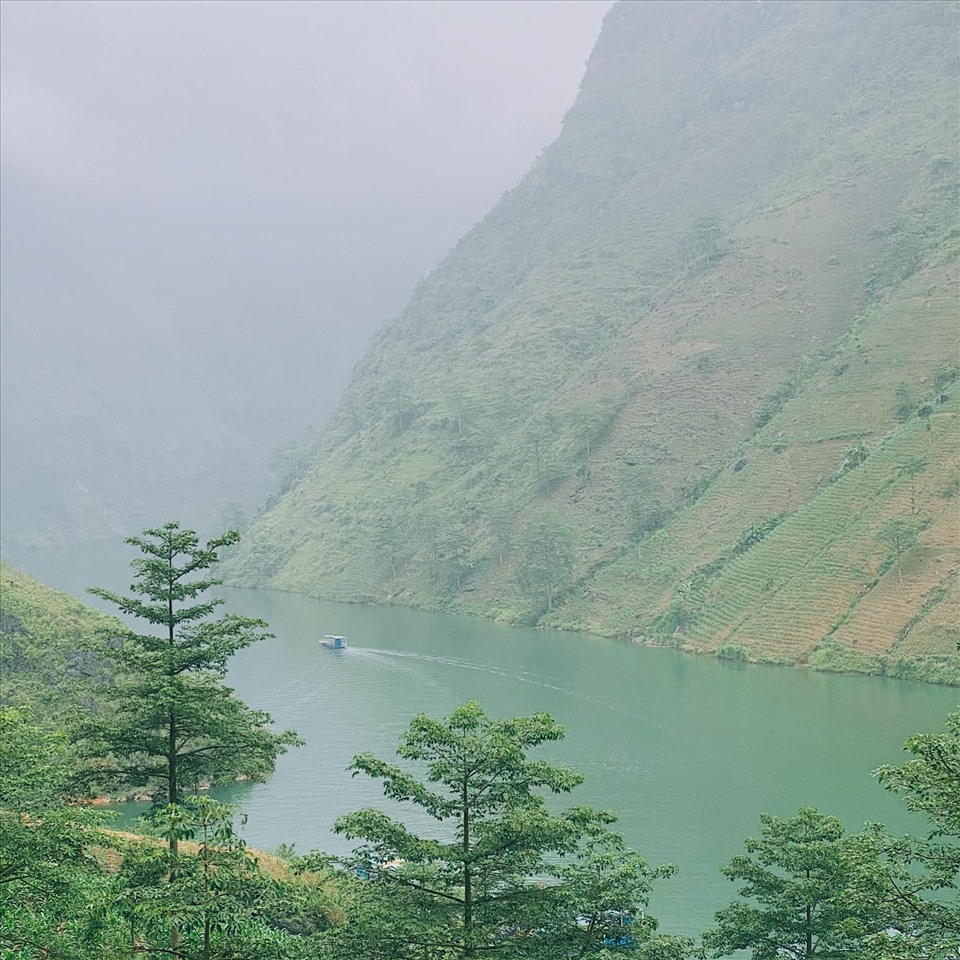
Understanding Ha Giang’s Unique Climate
Ha Giang’s climate is influenced by its mountainous geography, creating unique microclimates and rapid weather changes. Situated in Northern Vietnam, the province experiences a humid subtropical climate with a distinct monsoon influence, yet its high altitude often results in cooler temperatures compared to lowland regions.
Mountain weather in Vietnam, especially in Ha Giang, is known for its unpredictability, with conditions shifting quickly between valleys and high passes.
Ha Giang experiences two distinct seasons that significantly impact travel on the Loop. The dry season for the Ha Giang Loop runs from October to April, bringing cooler temperatures, lower humidity, and generally stable road conditions. Conversely, the rainy season for the Ha Giang Loop, from May to September, is characterized by warmer, humid weather with frequent heavy rain, leading to more challenging road conditions.
The Ha Giang climate features an average annual temperature in Ha Giang City around 22.78°C (73°F), though this varies greatly by elevation and time of year. Ha Giang rainfall is concentrated during the wet season, contributing to higher Ha Giang humidity levels.
Best Time to Visit the Ha Giang Loop for Optimal Weather
The best time to visit the Ha Giang Loop for optimal weather largely depends on your priorities, whether it is for motorbike riding, scenic views, or natural phenomena.
The Ha Giang Loop best season for riding and clear visibility is generally Autumn and Spring. These seasons offer a favorable balance of comfortable temperatures, reduced rainfall, and excellent road conditions for motorbike touring Ha Giang.
To avoid extreme conditions, it is best to be aware of the coldest month in Ha Giang Loop, which is typically January during winter, and the peak rainy season in Ha Giang Loop, which occurs in July and August during summer.
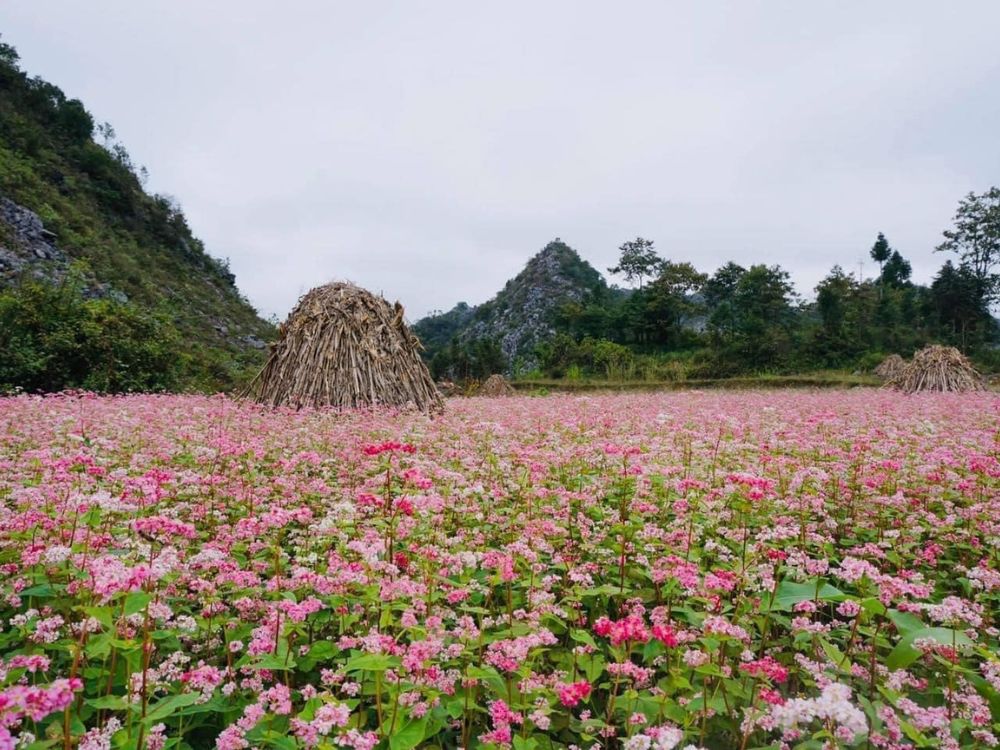
Timing your trip for natural phenomena can enhance your Ha Giang Loop adventure. The buckwheat flower season in Ha Giang typically runs from September to November, painting the hillsides in vibrant hues.
For rice terraces, Ha Giang weather in Autumn (September-October) offers golden fields, while Spring and early Summer present lush green landscapes. The peach blossom season in Ha Giang and plum blossom season in Ha Giang bring beautiful blooms in Spring, particularly in February and March.
Ha Giang Loop Weather: A Month-by-Month Breakdown
December – February: Winter’s Cold Embrace
Winter in Ha Giang is cold, especially at higher elevations, with generally dry conditions and clear skies, though morning fog can occur.
January: Peak Cold & Clear Skies
January is the coldest month, with average temperatures ranging from 5-16°C (41-61°F). It is typically dry with clear skies, making it excellent for trekking. Ha Giang Loop January travel tips include packing warm layers.
February: Gradual Warming & Festivals
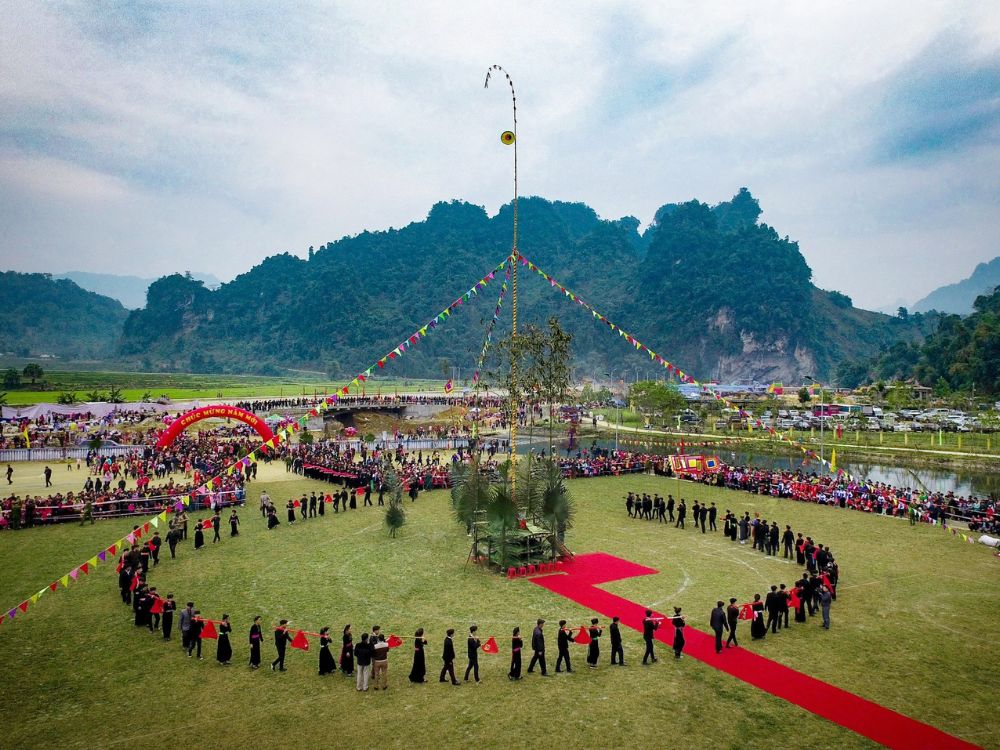
Temperatures in February average between 7-18°C (45-64°F), with a gradual warming trend. This month often coincides with Lunar New Year (Tet), offering a chance to experience local culture in Ha Giang.
What to Pack for Winter
For winter, your Ha Giang Loop packing list weather should include thermal underwear, a heavy insulated and waterproof/windproof jacket, gloves, a hat, and a scarf to combat the cold.
March – May: Spring’s Mild Bloom
Spring brings milder temperatures, blooming flowers, and lush greenery, making it an ideal time for many outdoor activities.
March: Excellent Riding & Blossoms
March offers average temperatures of 10-20°C (50-68°F), making it an excellent month for riding due to good visibility and low rainfall. Peach and plum blossoms are typically in full bloom.
April: Lush Greenery & Moderate Rain
Average temperatures in April are 15-25°C (59-77°F), with lush green landscapes and moderate rainfall. This period is ideal for motorbike tours and Nho Que River cruises.
May: “Falling Water” Season & Increasing Humidity
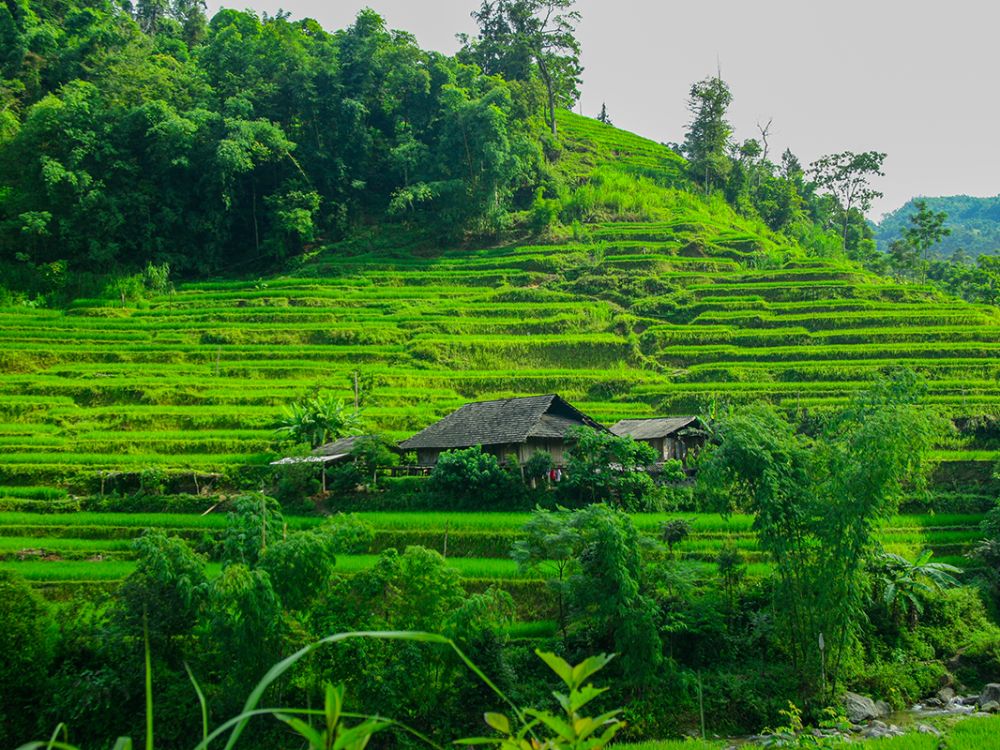
May sees warmer temperatures, averaging 20-35°C (68-95°F), with increasing humidity and more frequent rainfall. The rice terraces become lush and green, marking the beginning of the “falling water” season. What’s the weather like in Ha Giang in May? It is warm and humid with frequent showers.
What to Pack for Spring
For spring, your Ha Giang Loop what to wear should include light layers, a fleece jacket for cooler mornings/evenings, a waterproof jacket or poncho, and sturdy shoes.
June – August: Summer’s Monsoon Challenge
Summer is the monsoon season, characterized by hot temperatures and frequent heavy rainfall, which can pose challenges for travel.
June: Vibrant Green, Frequent Rain
June is warm and humid, with average temperatures of 23-32°C (73-90°F) and frequent rainfall. The rice terraces are vibrantly green during this time.
July: Wettest Month, Hot Temperatures
July is typically the wettest month, experiencing the highest average rainfall (230-280 mm). Temperatures remain hot, averaging 22-35°C (72-95°F).
August: Continued Rain & Lush Landscapes
August continues with temperatures similar to July and persistent lush greenery due to ongoing rainfall.
What to Pack for Summer
For summer, pack moisture-wicking clothing, a waterproof jacket or poncho, sandals, a hydration pack, insect repellent, and a waterproof bag to protect your belongings.
September – November: Autumn’s Golden Season
Autumn is widely considered the best time to visit the Ha Giang Loop, offering a combination of pleasant weather and stunning natural beauty.
September: Rice Harvest & Decreasing Rain
September marks the start of autumn, with average temperatures of 20-28°C (68-82°F) and decreasing rainfall. This is the beginning of the golden rice terraces season, particularly in Hoang Su Phi. Why visit Ha Giang Loop in September? For the beautiful rice fields and improving weather.
October: Buckwheat Flowers & Ideal Conditions
October is one of the most ideal months, with mild temperatures (15-25°C / 59-77°F) and minimal rainfall. The buckwheat flower festival typically takes place, and golden rice terraces are still prominent. Is October too crowded for Ha Giang Loop? It can be popular due to the favorable conditions and festivals.
November: Cool & Clear, Buckwheat Continues
November brings lower rainfall and cool, clear conditions, with average temperatures of 10-24°C (50-75°F). Buckwheat flowers continue to bloom, though mornings and evenings can be chilly.
What to Pack for Autumn
For autumn, pack light layers, a warm jacket or insulated coat, gloves, a beanie, and a light rain jacket for cooler temperatures and occasional showers.
Navigating Specific Weather Challenges on the Loop
Navigating the Ha Giang Loop requires an understanding of how weather impacts road conditions and visibility, especially given the highland climate of Ha Giang.
Road conditions on the Ha Giang Loop vary significantly by season, influencing motorbike touring in Ha Giang. During the dry season (October to April), roads are generally stable but can be dusty. The rainy season (May to September) brings slippery roads, mud, loose gravel, and potential landslides. Can you do the Ha Giang Loop during rainy season? Yes, but with increased caution and preparedness.
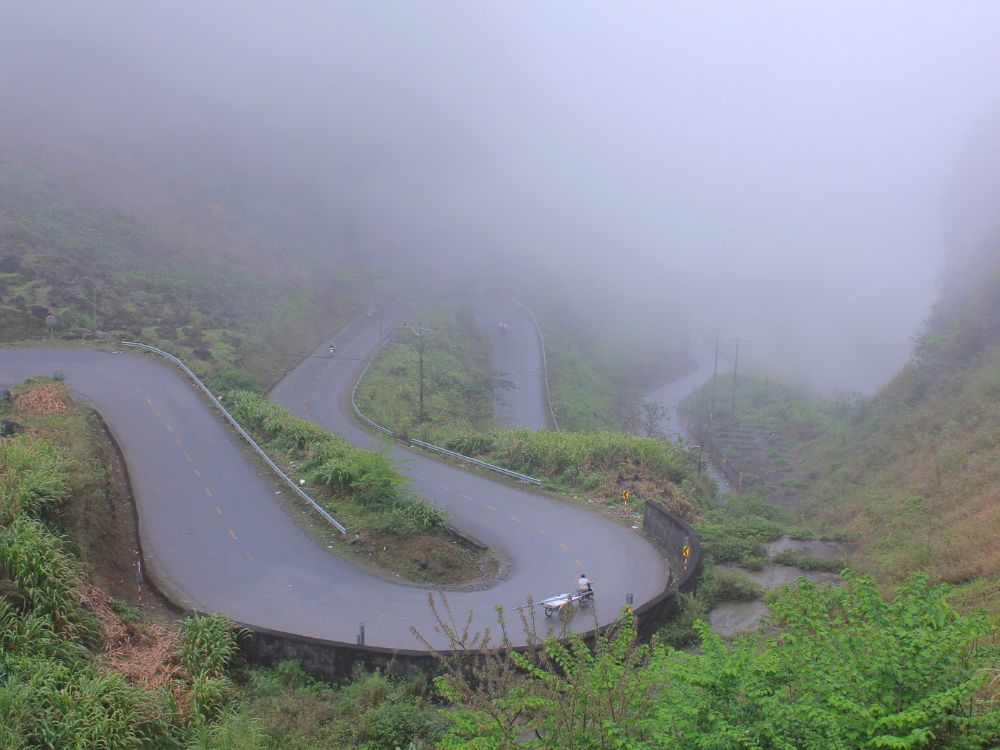
Fog on the Ha Giang Loop and visibility on the Ha Giang Loop are significant concerns, particularly in winter and during the rainy season. Thick fog can impact iconic spots like Ma Pi Leng Pass and Quan Ba Heaven Gate, obscuring breathtaking views.
Temperature fluctuations across altitudes are common in the mountain weather of Vietnam. Travelers should prepare for 10-15°C (18-27°F) temperature changes in a single day, as valleys can be warm while high passes are chilly.
Essential Packing List for the Ha Giang Loop (By Season)
A well-prepared Ha Giang Loop packing list weather is essential for a comfortable journey, adapting to the Ha Giang climate.
Winter Essentials
For winter, pack thermal underwear, thick gloves, a wool hat, a heavy insulated and waterproof/windproof jacket, and warm socks.
Spring & Autumn Layers
During spring and autumn, light layers are key. Include a fleece jacket, a waterproof jacket or poncho, comfortable quick-drying pants, and sturdy waterproof shoes.
Summer Rain Gear
For summer, moisture-wicking clothing, a waterproof jacket or poncho, sandals or breathable shoes, a hydration pack, a hat, sunglasses, insect repellent, and a waterproof bag are crucial.
General Gear for All Seasons
Regardless of the season, always carry sunscreen, sunglasses, a first-aid kit, a power bank, and appropriate footwear for walking and riding.
Pro Tips for a Safe and Enjoyable Ha Giang Loop Adventure
Ensuring travel safety on Ha Giang weather conditions is paramount for an enjoyable Ha Giang Loop adventure.
Always check local weather forecasts, such as the Ha Giang Loop weather forecast for next week, and be prepared for sudden changes in mountain weather in Vietnam.
For motorbike preparation and riding skills, ensure your motorbike has adequate tires, especially for wet conditions. Assessing your driving skills is vital, particularly when riding during wet conditions. The Ha Giang Loop motorbike weather can be challenging, so ride cautiously.
Flexibility in your itinerary is crucial. Be ready to adapt to changing road conditions, especially during the rainy season.
Consider the benefits of an Easy Rider or Jeep tour. Easy Rider tours or Jeep tours in Ha Giang are excellent options for challenging weather or for less experienced riders, providing a safer and more relaxed experience.
Staying hydrated and prepared is essential for outdoor activities in Ha Giang weather, particularly during hot months. Always carry emergency supplies.
Frequently Asked Questions About Ha Giang Loop Weather
How many days do I need for the Ha Giang Loop to account for weather?
Most travelers plan for 3 to 5 days for the Ha Giang Loop. This duration allows for some flexibility in case of unexpected weather delays or to simply enjoy the scenery at a more relaxed pace.
If your time is limited, a ha giang loop 2 days package is a quick option, but you will need to travel at a fast pace with very little buffer time if the weather turns bad. To ensure safety against unpredictable mountain weather while still having the most complete experience, you can check out the optimized ha giang loop tour 3 days by TVPalm. This 3-day tour offers the perfect balance, giving you enough time to stop for sightseeing while making it easy to flexibly adjust your itinerary if you happen to encounter heavy rain or thick fog on the passes..
When is the rainy season in Ha Giang Loop, and can I still travel then?
The rainy season in Ha Giang Loop is from May to September. You can still travel, but expect frequent heavy rain, slippery roads, and potential fog. It is advisable for experienced riders or those opting for an Easy Rider tour.
What is the coldest month in Ha Giang Loop, and what should I wear?
January is typically the coldest month in Ha Giang Loop. You should wear thermal underwear, a heavy insulated and waterproof jacket, gloves, a hat, and a scarf to stay warm.