

Many travelers wonder if they should visit the mountains during the Ha Giang Loop rainy season. As a sustainable travel operator in Northern Vietnam, I provide an honest look at the challenges and rare beauty of the highlands from May to September.
I am Nguyen Van Trung, CEO of TVPalm. I have over 10 years of experience leading trekking and discovery tours in Ha Giang and the Tay Con Linh range. This guide comes from my 100+ real trips in the harshest weather conditions.
When does the rainy season occur in Ha Giang
The Ha Giang Loop rainy season officially starts in late May and lasts until September. During these 5 months, the region receives about 80% of its annual rainfall.
Typical weather patterns from May to September
Rain in the mountains usually follows a predictable daily cycle. Mornings are often clear and suitable for riding.
Heavy downpours typically occur between 2 pm and 6 pm. These storms are intense but often short. You can expect high humidity and average temperatures ranging from 22°C to 30°C.
Peak rainfall months and what to expect in July and August
July and August are the wettest months of the year. During this peak, tropical storms can cause rain to last for 2 consecutive days.
Thick fog often blankets high passes like Ma Pi Leng. Visibility can suddenly drop to less than 5 meters. I always advise my friends to check weather apps every 4 hours during these 2 months.
The unique advantages of visiting during the monsoon
Vibrant emerald landscapes and lush rice terraces
Rainwater acts as a natural saturation filter for the earth. The rice terraces in Hoang Su Phi and Lung Cu turn a brilliant emerald green.
The flooded paddies reflect the sky like 1,000 silver mirrors. This vibrant color is much more intense than the golden tones of the harvest season.
Powerful waterfalls and roaring rivers at their peak performance
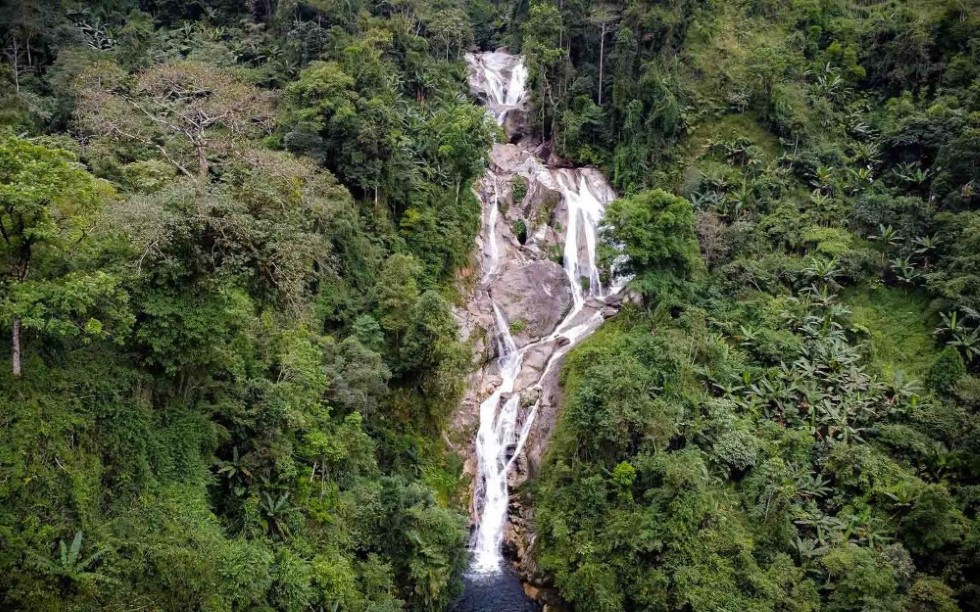
Waterfalls like Du Gia transform into majestic cascades during the monsoon. The volume of water increases significantly, creating a powerful roar that echoes through the valley.
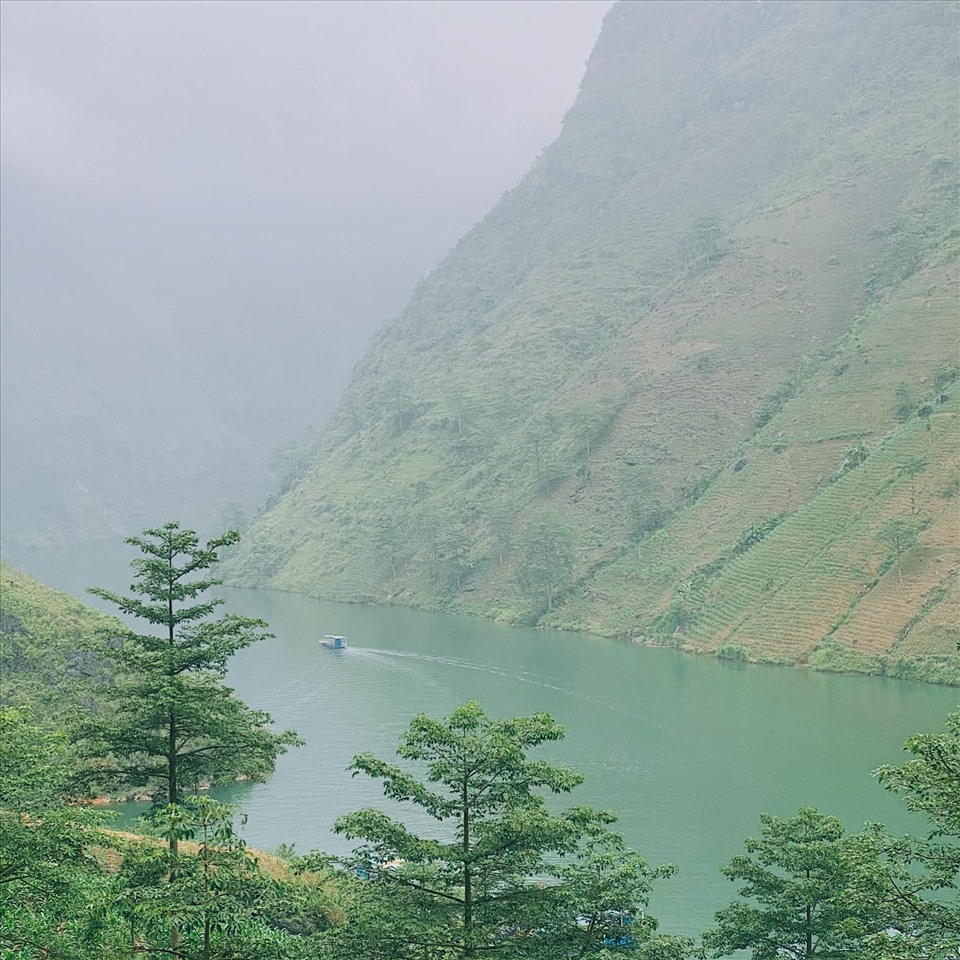
The Nho Que River flows with newfound energy. These sights are spectacular and represent the true power of northern Vietnam’s nature.
Authentic cultural connections with fewer tourists
Tourist numbers drop by nearly 60% during the rainy months. You can enjoy the famous “Happiness Road” without the usual crowds of motorbikes.
At TVPalm, we find that local Hmong and Tay families are more relaxed. They have more time to share a cup of tea or corn wine with you. This allows for a much more authentic cultural exchange.
Cooler temperatures compared to the heat of the lowlands
While Hanoi often suffers through 40°C heatwaves in summer, Ha Giang remains much cooler. The mountain breeze provides constant relief. Even on humid days, the air feels fresh.
Night temperatures in Dong Van can drop to a comfortable 18°C. It is the ideal escape from the sweltering heat of the delta.
Real challenges and safety considerations for travelers
Slippery road conditions and the risk of mud on mountain passes
Rain turns mountain dust into slick mud. The asphalt becomes as slippery as ice when wet. This is especially true on steep sections like the Bac Sum Pass. Red clay from nearby slopes often washes onto the road during heavy storms.
This mud can cause tires to lose grip in less than 1 second. I recommend reducing your speed by 50% on all descents during the rain.
Limited visibility and thick fog on Ma Pi Leng Pass
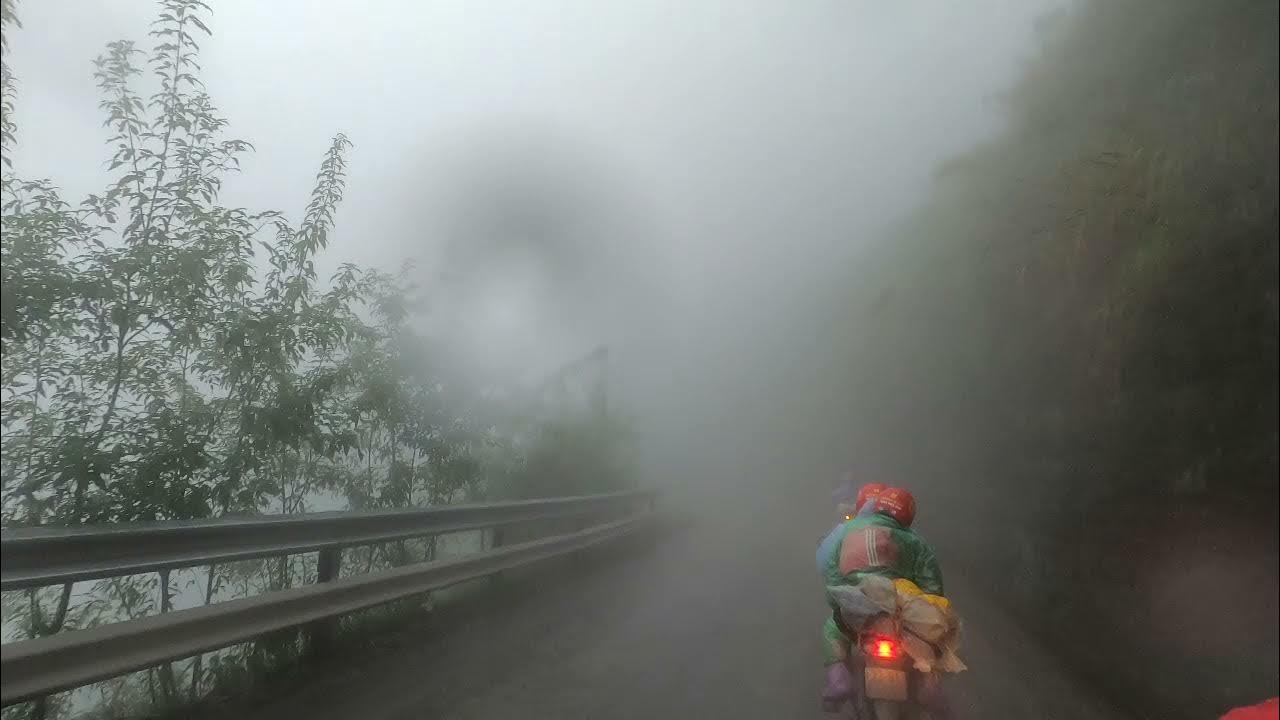
Ma Pi Leng Pass often sits inside the clouds during the monsoon. Fog can reduce your visibility to just 5 meters. You may not see oncoming trucks until they are very close.
At TVPalm, we advise riders to use low-beam headlights and follow the white road markers carefully. If the fog becomes too thick, stop at a roadside cafe for 30 minutes until it clears.
Flash floods and potential route disruptions in remote areas
Small streams can turn into rushing rivers after 2 hours of heavy rain. This happens most often in remote areas like Du Gia or the backroads to Meo Vac.
These flash floods can make rural bridges impassable. Never attempt to cross water that is higher than your motorcycle exhaust pipe. It is better to wait 1 hour for the water level to drop.
Landslide awareness and how to stay informed
Landslides are a serious reality during the Ha Giang Loop rainy season. Saturated soil on steep cliffs can give way without warning. I always check the weather forecast every 4 hours.
Before leaving your homestay, ask the local host about the road conditions ahead. They receive real-time updates from neighbors and professional truck drivers.
Impact of moisture on photography gear and electronics
High humidity is a silent threat to electronics. During the rainy season, moisture can seep into camera lenses in just 10 minutes. This causes internal fogging or circuit failure.
I always carry 2 large dry bags for my professional gear. Use silica gel packets inside your camera bag to absorb excess moisture and protect your sensors.
Navigating the loop safely in wet weather
Why an Easy Rider is the safest choice for international travelers
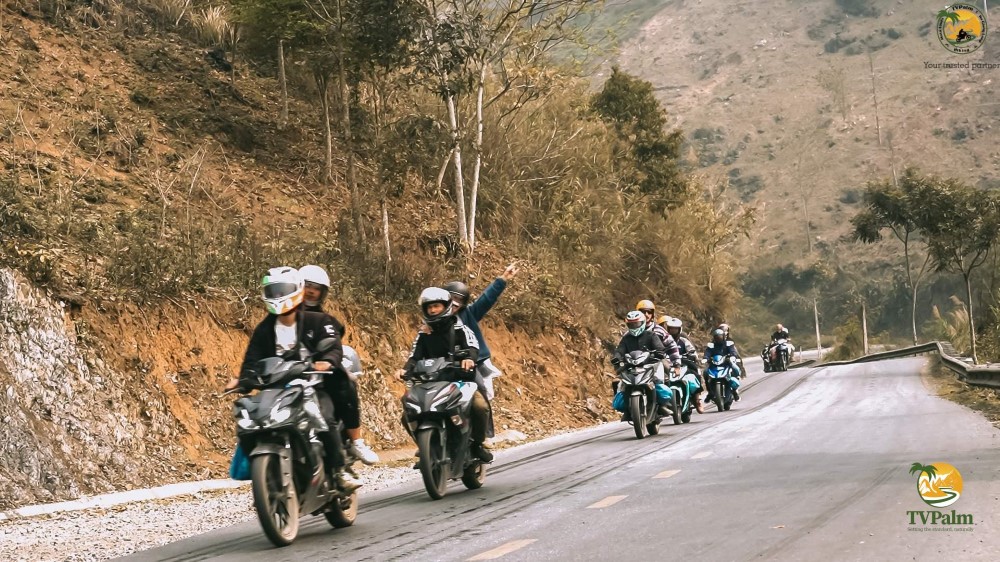
An Easy Rider is a professional local driver. This is the safest way to experience the Ha Giang Loop rainy season. These drivers have navigated these mountain passes over 500 times.
They know exactly how to handle slippery corners and sudden storms. You can focus on the scenery while a professional manages the technical risks. Explore TVPalm’s itineraries here.
Jeep tours as a comfortable and dry alternative for families
Jeep tours are the best option for those who want 100% protection from the rain. You stay dry and warm inside a sturdy 4×4 vehicle. This is ideal for families or travelers carrying expensive camera equipment.
Our TVPalm jeep tours provide a social atmosphere while keeping you completely safe from the elements. Take a look at TVPalm’s options here.
Self-driving risks and requirements for experienced riders
I only recommend self-driving if you have at least 2 years of experience riding manual motorcycles. You must possess a valid IDP 1968 license to comply with local laws and insurance requirements.
Use a semi-automatic bike for better gear control on wet slopes. Always ride in a group and never travel after 5 pm during the rainy months.
Essential packing list for a wet adventure
High-quality waterproof gear and rain suits
Avoid thin plastic ponchos. They flap in the wind and offer zero protection on a moving motorcycle. Buy a professional 2-piece rain suit with taped seams. This gear keeps your core dry during a 2-hour ride in heavy rain.
At TVPalm, we consider a high-quality rain suit the most important item in your bag.
Non-slip footwear and sturdy hiking boots
Wet limestone and mud are very slippery. Bring boots with deep rubber treads for maximum grip. I recommend waterproof Gore-Tex boots. They provide ankle support on uneven paths and keep your feet dry when crossing small streams. Avoid smooth-soled sneakers as they lose traction in less than 1 second on wet slopes.
Quick-dry clothing and moisture-wicking layers
Cotton is your enemy in the mountains. It absorbs water, stays wet for 24 hours, and makes you cold. Pack 3 synthetic or merino wool shirts. These materials dry in less than 4 hours and pull sweat away from your skin. This keeps your body temperature stable during the humid Ha Giang Loop rainy season.
Dry bags and protection for valuables
A backpack cover is not enough for a tropical storm. Use a 20-liter dry bag inside your backpack for extra protection.
At TVPalm, we use these bags to protect passports, cameras, and laptops from 90% humidity. Double-bagging your electronics with Ziploc bags provides a 2nd layer of safety.
Personal first aid kit and essential medications
Winding roads can cause motion sickness. Pack 5 tablets of Dramamine or similar medication. Include 1 small bottle of antiseptic and 10 waterproof bandages for minor scratches. Local pharmacies are often 30 kilometers apart in the northern highlands.
Carrying your own kit saves time and ensures immediate care.
Practical tips for a successful journey in the rain
Timing your daily rides to avoid afternoon downpours
Start your engine by 8 am every day. The heaviest rain usually falls between 3 pm and 5 pm. Aim to reach your destination by 2:30 pm. This schedule gives you 6 hours of riding in the best possible light and keeps you dry during the afternoon storms.
Monitoring reliable weather apps and local reports
Download the “Windy” app for accurate rain and wind maps. Check the forecast every 3 hours as mountain weather changes fast.
I also call our local contacts in Dong Van and Meo Vac each morning. They provide real-time updates on road safety and potential landslides.
Maintaining flexibility in your travel itinerary
Do not rush your journey. If a storm is too strong, stay an extra night in Yen Minh or Dong Van. A flexible 4-day plan is much better than a rigid 3-day schedule. Safety is more important than reaching every checkpoint on time during the Ha Giang Loop rainy season.
Choosing the right accommodation with drying facilities
Look for homestays with covered patios or indoor heating. At TVPalm, we select partners who provide space to hang wet gear overnight. Using a hairdryer to dry the inside of your boots for 10 minutes will significantly improve your comfort the next morning.
Frequently asked questions about the Ha Giang Loop in the rain
Is the Ha Giang Loop rainy season safe for beginners?
No. I do not recommend self-driving for beginners when roads are wet and muddy. Hire an Easy Rider for a 100% safer and more relaxed experience.
Can I still see the famous views at Ma Pi Leng Pass?
Yes. Mountain clouds move very fast. If it is foggy, wait at a cafe for 20 minutes. The mist often clears to reveal a dramatic and moody landscape that is perfect for photography.
Will my clothes dry overnight in the homestays?
Only if they are synthetic or wool. Cotton will stay damp due to the high humidity. Use a hairdryer or hang your clothes near a kitchen fire if the host allows it.


