

Planning a trip to the northernmost frontier of Vietnam requires more than just checking a weather app. Whether you seek the golden rice terraces of autumn or the ethereal mist of winter, timing determines the depth of your connection with this karst plateau.
I am Nguyen Van Trung, CEO of TVpalm, with over a decade of experience leading private treks through Tay Con Linh and the Ha Giang Loop. In this guide, I combine my years of on-the-ground observations with real-time climate data to help you choose the perfect window for a safe, sustainable, and truly private adventure.
Understanding the climate of the northern highlands
Ha Giang has a tropical monsoon climate. However, the high altitude creates temperate conditions. You will experience two distinct seasons: dry and rainy. The dry season runs from October to April. The rainy season lasts from May to September. Temperatures vary greatly between the deep valleys and the high mountain passes. You must prepare for sudden changes in weather within a single day.
The golden months: When Ha Giang is at its most spectacular
Most travelers ask me about the best time to visit Ha Giang. For the perfect balance of beauty and comfort, choose autumn or spring. These periods offer stable weather and clear visibility. You will enjoy the most iconic views of the Karst Plateau without extreme heat or dangerous storms.
At TVpalm, we recommend these months for those seeking a premium, private experience.
September to November: The season of harvest and buckwheat flowers
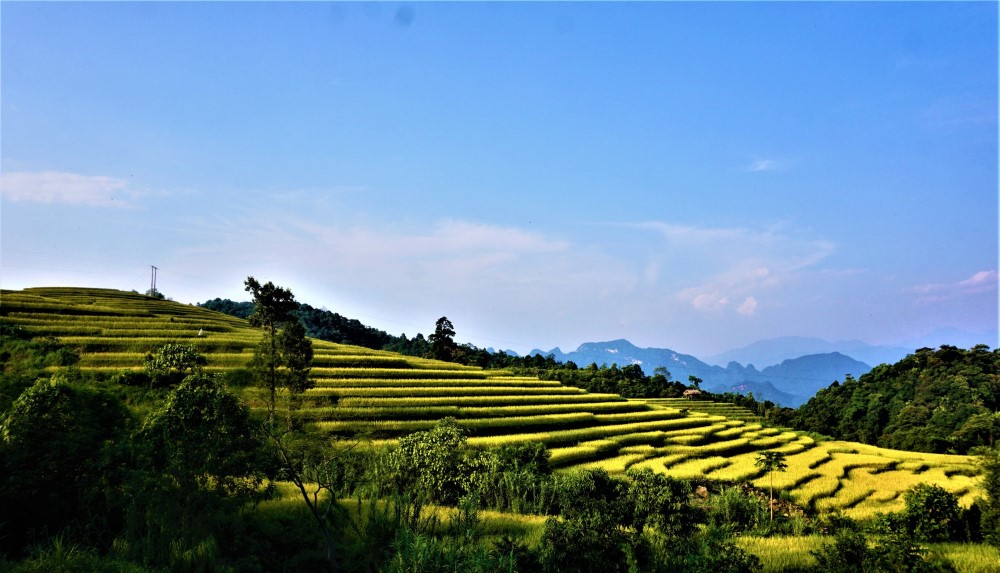
September and October are the peak months for landscape lovers. The rice terraces in Hoang Su Phi turn a brilliant gold. This harvest lasts about 3 weeks.
By November, pink buckwheat flowers blanket the rocky hillsides. Rainfall is very low during these 90 days. The air is cool, with temperatures between 18°C and 26°C. This is the most reliable window for photography and long motorbike rides.
March to April: Spring blossoms and cultural awakening
Spring brings a fresh start to the northern frontier. Peach and plum blossoms paint the landscape in soft white and pink. The sky is often deep blue and clear of summer haze. Temperatures stay mild, ranging from 15°C to 25°C.
It is a quiet time for travelers seeking peace. You can witness ethnic communities resuming their daily rhythms after the Lunar New Year. The roads are dry and safe for exploration.
Navigating the challenges of the off-peak seasons
June to August: Lush landscapes and the monsoon reality
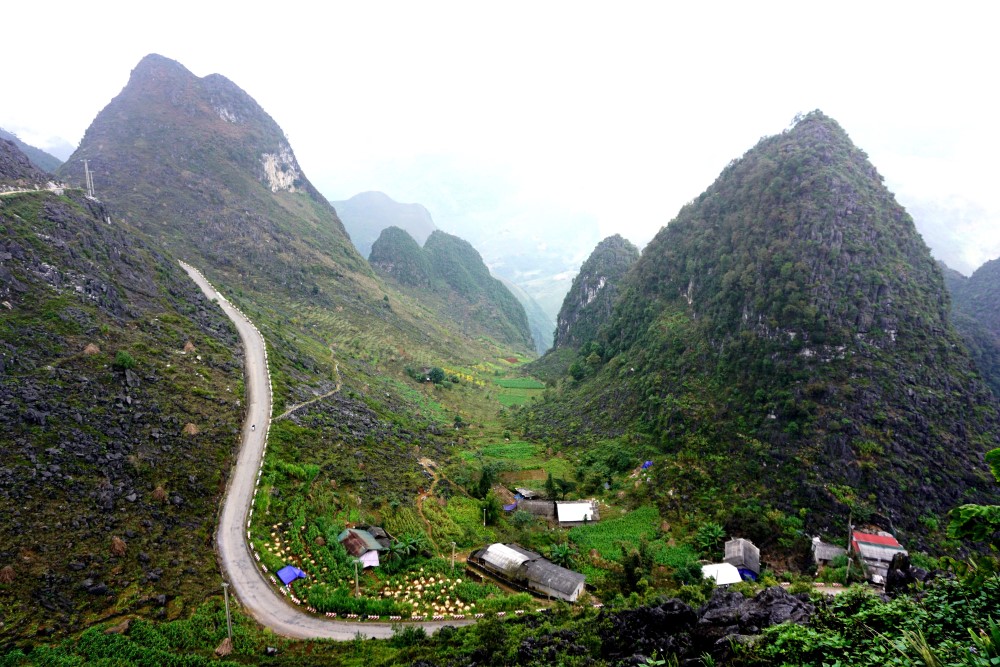
Summer is the monsoon season in Northern Vietnam. Expect heavy rain and high humidity. Temperatures often exceed 30°C in the valleys. Heavy downpours can cause slippery roads or sudden landslides.
However, the mountains are incredibly green during this time. The rice terraces enter the “falling water” stage in June. The fields look like giant mirrors reflecting the sky. It is a vibrant but challenging time for riders.
December to February: Biting cold and the mystical mountain fog
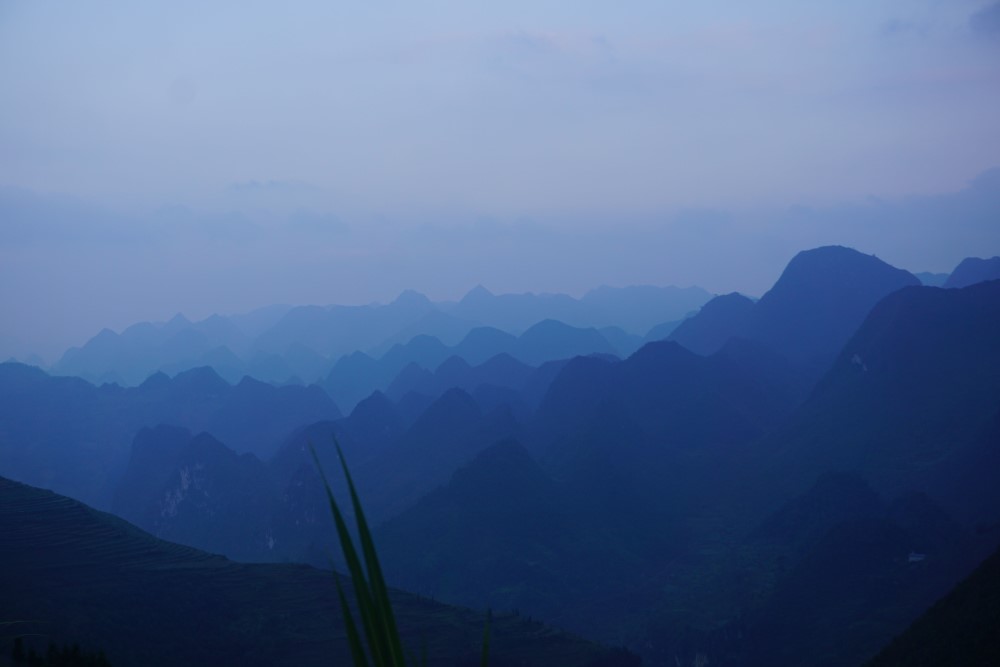
Winter is dry but very cold. Temperatures in Dong Van and Meo Vac often drop below 5°C. Dense fog frequently covers the mountain passes. This fog can reduce visibility to less than 10 meters. Riding a motorbike becomes difficult and requires expert skill.
Despite the chill, there is a raw beauty here. You can spend your evenings by a traditional fire with a local family. It is a truly authentic experience for those who do not mind the cold.
Timing your visit for deep cultural immersion
Lunar New Year: A glimpse into ethnic minority traditions
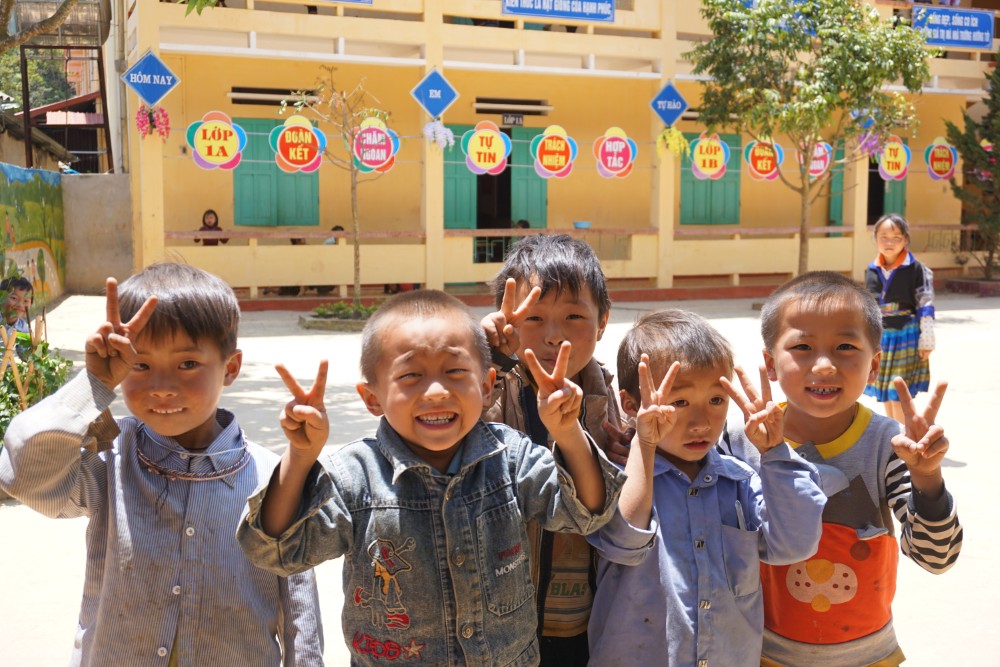
The Lunar New Year usually occurs in late January or February. This is the most sacred time for the Hmong and Dao communities. You will see villagers dressed in their finest traditional clothes.
They participate in folk games like “Pao” throwing and spinning tops. You can taste traditional dishes like “Thang Co” or smoked buffalo meat. It is a season of joy, music, and authentic hospitality.
Khau Vai Love Market: A rare encounter in late April
The Khau Vai Love Market happens only once a year. It takes place on the 27th day of the third lunar month, which usually falls in late April. This 100-year-old tradition allows ex-lovers to meet and share their life stories.
There is no jealousy or anger here. It is a unique cultural event that celebrates human connection. If you visit during this time, you will witness a rare side of Vietnamese highland culture.
Essential safety and preparation for every season
I have spent 10 years navigating these mountain passes. Safety is not a matter of luck; it is a matter of preparation. Your gear must match the environment. Whether you drive yourself or join a private TVPalm tour, these 2 factors are vital. Proper planning ensures your adventure remains a positive memory.
The art of layering: What to pack for fluctuating altitudes
Temperatures change rapidly as you climb from the valleys to the peaks. You should use the 3-layer system for clothing.
First, wear a thermal base layer to keep your skin dry. Second, add a fleece or wool sweater for warmth. Third, use a high-quality windproof and waterproof jacket. Do not forget sturdy trekking shoes with deep rubber grips. This kit will protect you from 5°C winds and sudden rain.
Riding safety: How to handle the Ha Giang Loop in unpredictable weather
Weather on the loop can change in 15 minutes. If you encounter dense fog, reduce your speed by 50% immediately. Keep a 10-meter safety distance from the vehicle in front of you. When the road is wet, use both front and rear brakes gently. Avoid sudden movements on sharp corners. If the rain becomes too heavy, stop at the nearest homestay for 1 hour until it clears.
Beyond the loop: Combining Ha Giang and Cao Bang
Many travelers choose to explore both Ha Giang and Cao Bang in one journey. The drive between these two provinces takes 7 to 9 hours through rugged terrain. The best time to visit Ha Giang and Cao Bang together is from September to November.
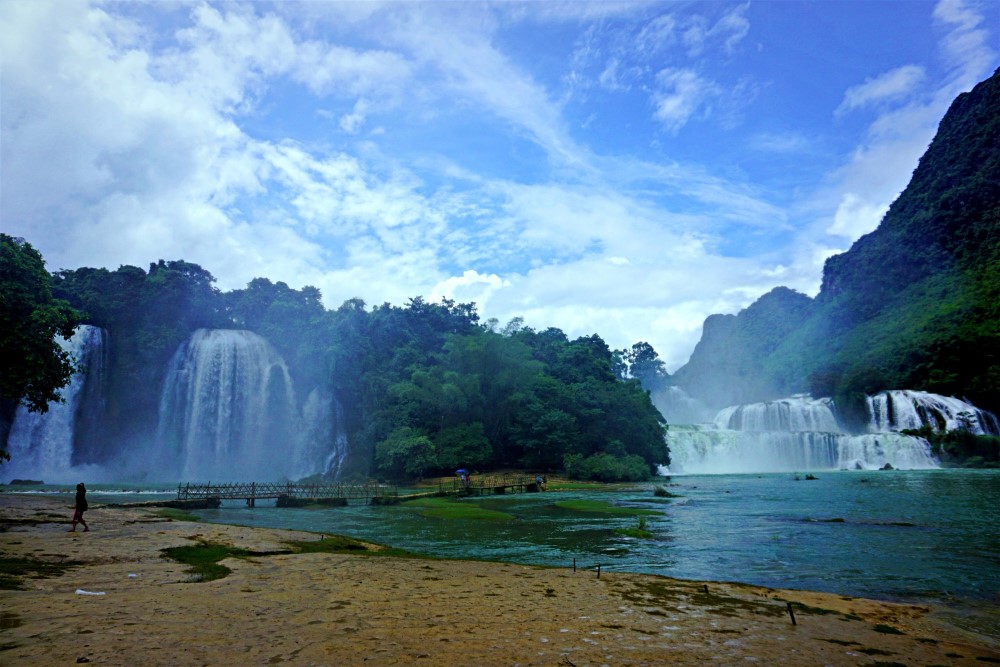
During these 3 months, you can see the golden rice in Ha Giang and the majestic Ban Gioc Waterfall in Cao Bang. The water at the falls is clear and blue during this dry period.
Frequently asked questions about visiting Ha Giang
Is it safe to visit Ha Giang during the rainy season?
Yes, it is possible, but you must be flexible. Avoid riding during active storms to prevent accidents. Check local road reports for landslides every morning before you start.
If you are not an expert rider, consider hiring a local driver. This allows you to enjoy the lush green scenery without the stress of slippery roads.
What is the single best month for photography in Ha Giang?
October is the undisputed winner for photographers. The atmosphere is clear, providing 100% visibility for distant mountain peaks.
You get a perfect combination of golden rice terraces and the first bloom of buckwheat flowers. The soft autumn light creates deep shadows and rich colors on the limestone karst.