

As an adventurous traveler, you are likely drawn to the allure of Vietnam’s remote northern regions and the chance to witness one of the world’s rarest primates: the Tonkin snub-nosed monkey. A crucial question arises: Is trekking to see Tonkin snub-nosed monkeys safe? This article provides a comprehensive, balanced answer, offering essential insights for planning a responsible and secure journey.
With over 20 years of expertise in inbound tourism and eco-tourism development, I am Nguyen Trung, CEO of TVPalm, and I am here to guide you through what to expect and how to ensure your experience is both unforgettable and ethical.
Understanding the Tonkin Snub-Nosed Monkey: A Glimpse into the Wild
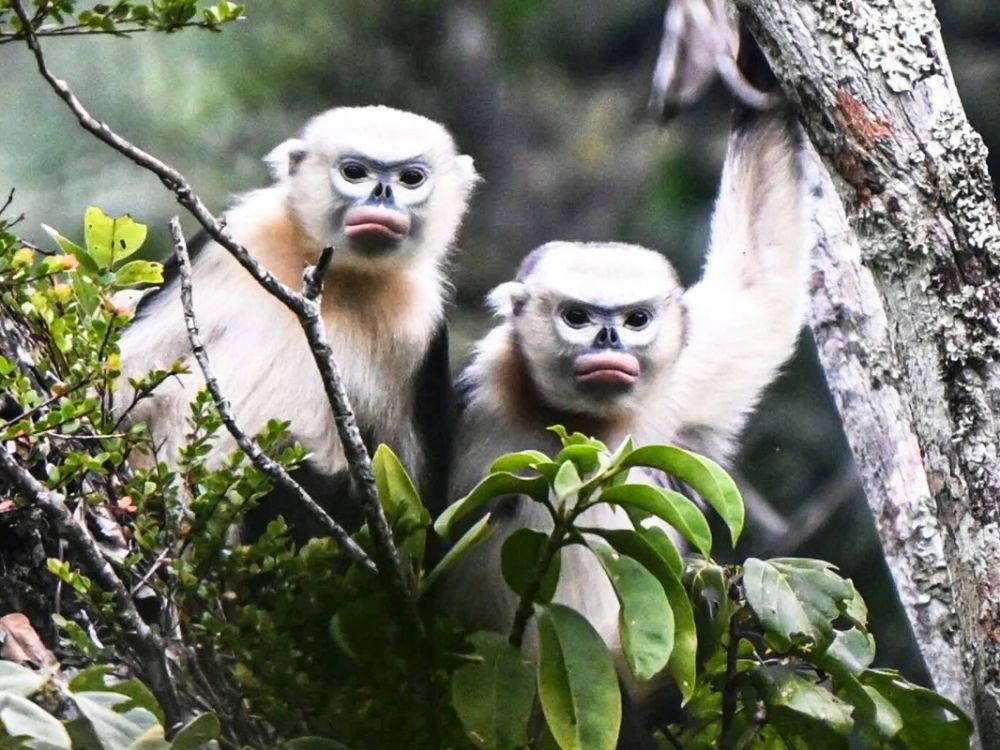
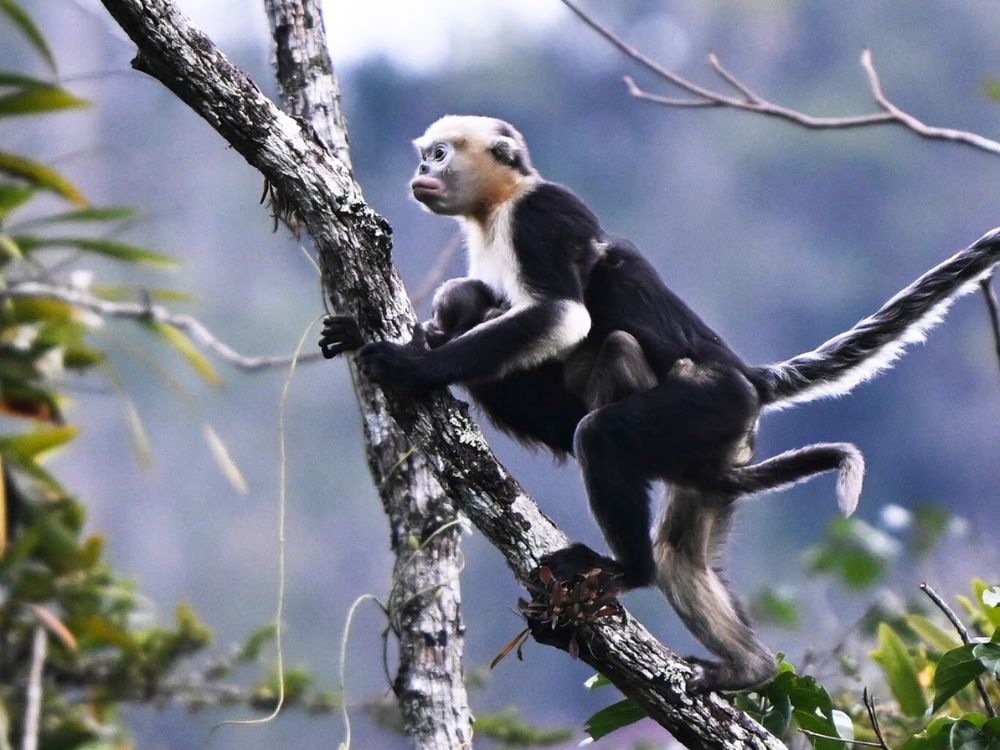
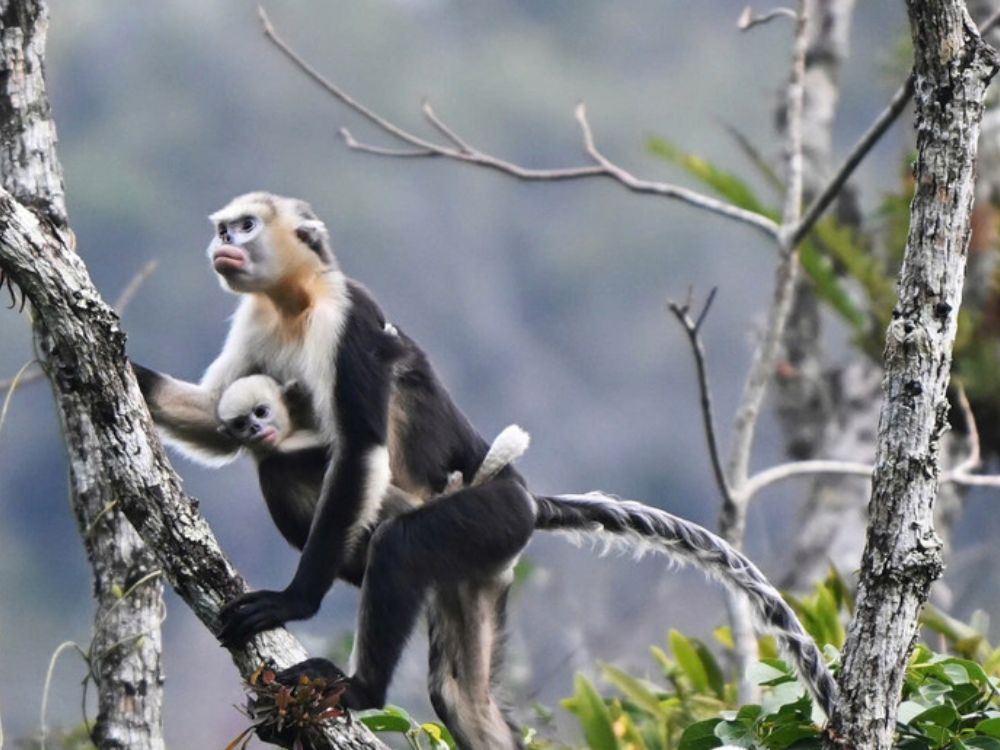
The Tonkin snub-nosed monkey, or Rhinopithecus avunculus, is a critically endangered primate endemic to northern Vietnam. This species is one of the world’s rarest, known for its distinctive upturned nose and striking black and white fur, often with blue patches around the eyes. Males are larger, averaging 31 lbs (14 kg), while females weigh around 19 lbs (8.5 kg).
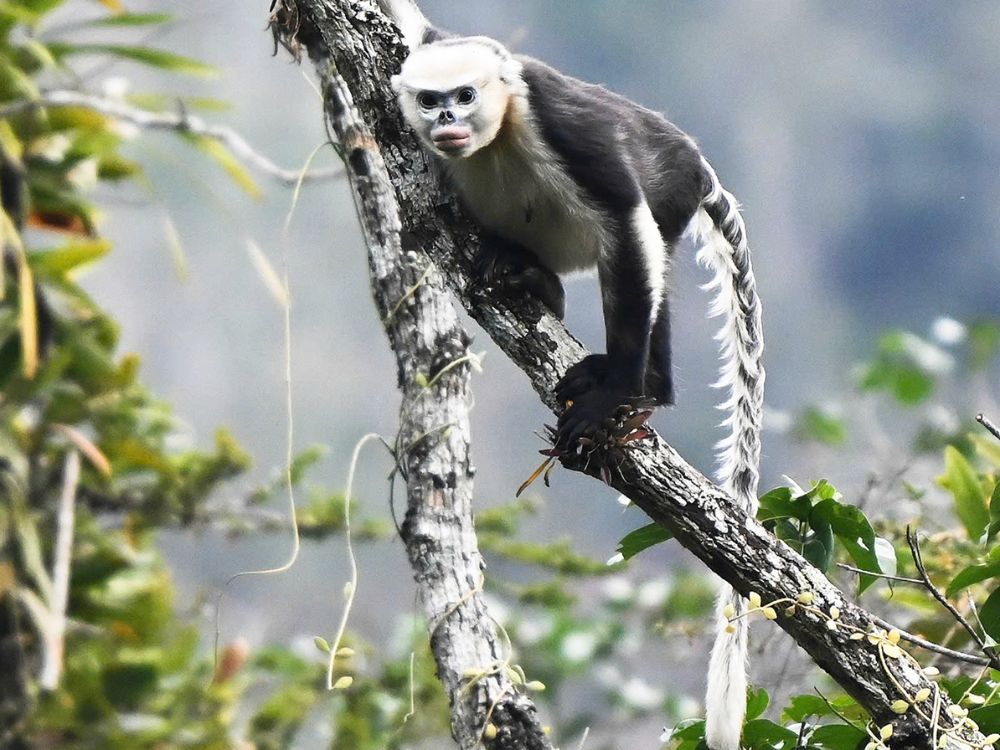
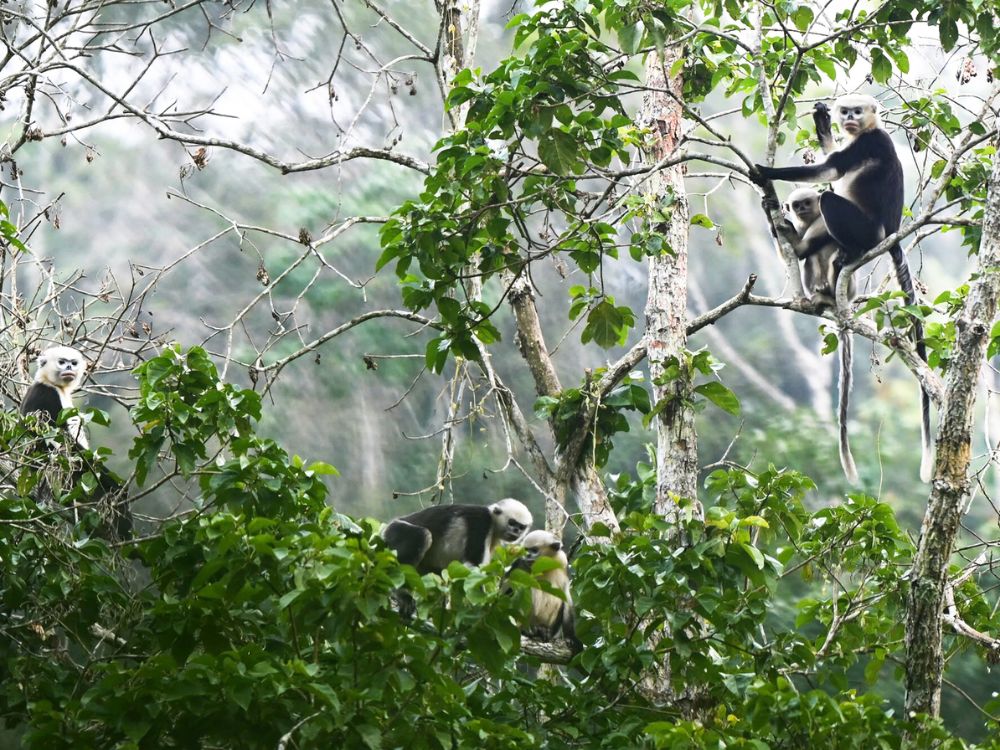
Their diet primarily consists of leaves, fruits, and flowers, supported by a specialized stomach for digesting tough plant matter. These arboreal monkeys are active during the day, living in small family groups within their unique habitat.
Their habitat consists of tropical evergreen forests, specifically in steep karst limestone hills and mountains of northern Vietnam, at elevations between 650 to 4,600 feet (200 to 1,400 m) above sea level. This specific environment is crucial for their survival, yet it is increasingly fragmented. Understanding the Tonkin snub-nosed monkey habitat is key to appreciating the challenges of their conservation.
The Tonkin snub-nosed monkey is listed as Critically Endangered by the IUCN Red List, making it one of the 25 most endangered primate species globally. Recent surveys estimate the total global population at around 250 individuals. The largest known population, approximately 160 individuals, resides in the Khau Ca Species and Habitat Conservation Area within Ha Giang Province. This represents a vital stronghold for the species.
Primary threats to their survival include aggressive habitat loss and fragmentation due to deforestation, illegal logging, and agricultural expansion. Poaching also remains a significant danger, as these monkeys are hunted for food and traditional medicine.
Conservation efforts are extensive, involving protected areas like Khau Ca and Na Hang Nature Reserve, alongside community engagement programs. These initiatives focus on monitoring, research, and legislation to protect this endangered primate in Vietnam.
Is Trekking to See Tonkin Snub-Nosed Monkeys Truly Safe? A Balanced Perspective
Trekking to see Tonkin snub-nosed monkeys can be safe with proper planning and adherence to responsible tourism practices. Direct public trekking to observe these critically endangered primates is generally not available or recommended.
The primary focus of any visit must be on supporting conservation and ethical tourism, ensuring your presence positively impacts the species. Reputable tour operators and local guides play a crucial role in facilitating a safe Tonkin snub-nosed monkey experience.
Trekking can be safe when mitigation strategies for potential risks are in place. The importance of guided tours and expert knowledge cannot be overstated, as experienced guides understand the terrain, wildlife, and local conditions.
By choosing responsible Tonkin snub-nosed monkey tourism, travelers contribute directly to conservation efforts, which ultimately benefits the species’ survival. This approach ensures safety while fostering sustainable tourism practices in biodiversity Vietnam.
Navigating the Northern Vietnamese Wilderness: Understanding Trekking Risks and Precautions
Trekking in northern Vietnam’s remote, forested, and mountainous karst regions presents unique environmental and terrain challenges. Trails can be slippery, steep, and uneven, especially after rainfall, posing forest trekking risks.
Sturdy trekking shoes with good grip and ankle support are essential, and trekking poles can greatly aid balance. Weather variability is another factor; while the dry season offers advantages, sudden showers can occur. Natural hazards like landslides and flash floods are possible in remote areas, necessitating careful planning and reliance on local expertise.
Encounters with wildlife and insects are common forest inhabitants. Mosquitoes, leeches, and ticks are prevalent, requiring protective clothing and effective insect repellent. While rare, there is potential for venomous animals like snakes or other small creatures.
Wildlife encounter guidelines emphasize maintaining a safe distance, never feeding animals, and staying calm if an encounter occurs. Prioritizing wildlife photography safety means respecting their space and natural behavior.
Health and medical considerations are vital for jungle trekking preparation. Recommended vaccinations and health precautions, such as those for malaria and dengue fever, should be discussed with a doctor well before travel.
Access to medical facilities in remote areas is limited, so carrying an essential first-aid kit with personal medications is crucial. Maintaining proper hydration and nutrition is also key for physical well-being during jungle treks.
Logistical and security aspects require careful attention. The risk of getting lost is significant without an experienced guide, making the importance of guides, maps, and GPS paramount. Local security and community dynamics are generally stable, but ensuring safety from human-related dangers involves respecting local customs and following your guide’s advice. Emergency protocols and communication in remote areas should be clearly understood before embarking on any trek. Safety tips for wildlife trekking in northern Vietnam always emphasize preparedness and expert guidance.
Planning Your Responsible Tonkin Snub-Nosed Monkey Experience
The best time for safe and successful trekking in northern Vietnam is during the optimal seasons from March to May and September to November. These months offer milder weather and generally drier conditions, making trails more manageable
Avoiding the monsoon season, typically from July to October, is highly recommended as heavy rainfall can make trekking hazardous and sightings less likely. Planning your visit during these periods enhances both safety and the overall experience.
Permits and regulations are mandatory for protected areas where Tonkin snub-nosed monkeys reside. A guided tour is mandatory or highly recommended, as reputable operators will handle all necessary permit for Tonkin snub-nosed monkey trekking.
Adhering to local regulations and primate viewing guidelines is crucial for ethical wildlife encounters and to support the Tonkin snub-nosed monkey conservation travel efforts. These guidelines ensure minimal disturbance to the animals and their habitat.
Choosing ethical and responsible tour operators is paramount for a safe Tonkin snub-nosed monkey experience. Identify companies prioritizing conservation and local benefits, ensuring your visit contributes positively. Ask potential operators about their ethical wildlife encounters policies, guide training, and how they support local communities.
TVPalm’s commitment to sustainable travel exemplifies the standards you should seek, focusing on responsible practices and genuine conservation.
Essential gear and preparation are critical for a successful trek. Recommended physical fitness levels should be moderate to good, as the terrain can be challenging. Your packing list should include sturdy footwear with good ankle support, quick-dry clothing, rain gear, and effective insect repellent.
Hydration and nutrition for jungle trekking preparation involve carrying ample water and energy-rich snacks to sustain you throughout the journey.
The crucial role of local guides and community engagement cannot be overstated. Local guides offer invaluable insights into ecosystems and conservation efforts, enhancing your understanding of the Tonkin snub-nosed monkey habitat.
Supporting local livelihoods and sustainable development through tourism directly benefits the communities living alongside these primates, encouraging their participation in conservation. This collaborative approach is fundamental to responsible Tonkin snub-nosed monkey tourism.
Why Ethical Tourism Matters: Contributing to Conservation and Community
The impact of your visit can either help or harm the Tonkin snub-nosed monkey and its fragile ecosystem. Ensuring your presence positively impacts the species means choosing ethical wildlife encounters and understanding the environmental impact of tourism.
Responsible travel tips include minimizing your footprint, respecting wildlife, and supporting initiatives that protect their habitat. Your choices as a traveler directly influence the future of this critically endangered primate.
Responsible viewing guidelines are essential for any wildlife encounter. Always maintain distance from the monkeys, minimize noise, and under no circumstances should you attempt to feed them. These actions can alter their natural behavior and expose them to human diseases. Wildlife photography safety and ethics dictate using appropriate lenses to avoid close proximity and never using flash photography, which can startle animals.
Supporting conservation efforts and local communities is a cornerstone of ethical tourism. Tourism contributes to Tonkin snub-nosed monkey survival by generating funds for protected areas and anti-poaching initiatives.
Benefits for local people include alternative livelihoods through homestays and guiding, reducing their reliance on forest resources. Sustainable tourism practices in biodiversity Vietnam create a symbiotic relationship between travelers, wildlife, and local populations.
Realistic expectations for wildlife sightings are important. Understand that sightings are not guaranteed, as these are wild animals in their natural habitat. While seeing a Tonkin snub-nosed monkey is a profound experience, appreciating the overall trekking experience is equally valuable.
This includes immersing yourself in the natural beauty of northern Vietnam and engaging in cultural immersion with local communities, making your journey meaningful regardless of a direct sighting.
Frequently Asked Questions About Tonkin Snub-Nosed Monkey Trekking
What are the chances of actually seeing a Tonkin snub-nosed monkey during a trek?
Sightings are never guaranteed due to their critically endangered status and elusive nature. However, trekking with experienced local guides in known conservation areas significantly increases your chances, though patience and realistic expectations are crucial.
Where can I safely see Tonkin snub-nosed monkeys in the wild?
The most established and safest location is the Khau Ca Species and Habitat Conservation Area in Ha Giang Province, Vietnam. Access is strictly controlled and requires permits and a guided tour from a reputable operator committed to responsible Tonkin snub-nosed monkey tourism.
Are Tonkin snub-nosed monkey trekking tours ethical and safe?
Yes, ethical and safe Tonkin snub-nosed monkey trekking tours exist, but choosing the right operator is vital. Ethical tours prioritize the monkeys’ well-being and local community benefits, ensuring all activities adhere to strict primate viewing guidelines and safety protocols.
How long does a typical Tonkin snub-nosed monkey trek last, and what is the cost involved?
A typical trek can range from a half-day to multi-day excursions, depending on the chosen itinerary and the conservation area. Costs vary widely based on the duration, inclusions, and the operator’s commitment to sustainable tourism practices.
What precautions should I take for Tonkin snub-nosed monkey trekking?
Key precautions include being physically fit, wearing appropriate gear like sturdy footwear and rain gear, using insect repellent, carrying a first-aid kit, and strictly following your local guide’s instructions. Health precautions for jungle travel, such as necessary vaccinations, are also essential.