

Overnight camping on Mount Tay Con Linh (2,427m) is the centerpiece of multi-day summit expeditions, focused primarily around the 2,000-meter high-altitude ridge camp. Trekkers sleep in rustic wooden cardamom huts (lan thao qua) or specialized four-season tents pitched near natural mountain springs.
With night temperatures plunging to between 2°C and 8°C amidst dense cloud mist, successful camping requires sub-zero sleeping bags, insulated ground mats, thermal baselayers, and experienced ethnic Dao porter teams who prepare hot mountain meals and ensure wilderness safety.
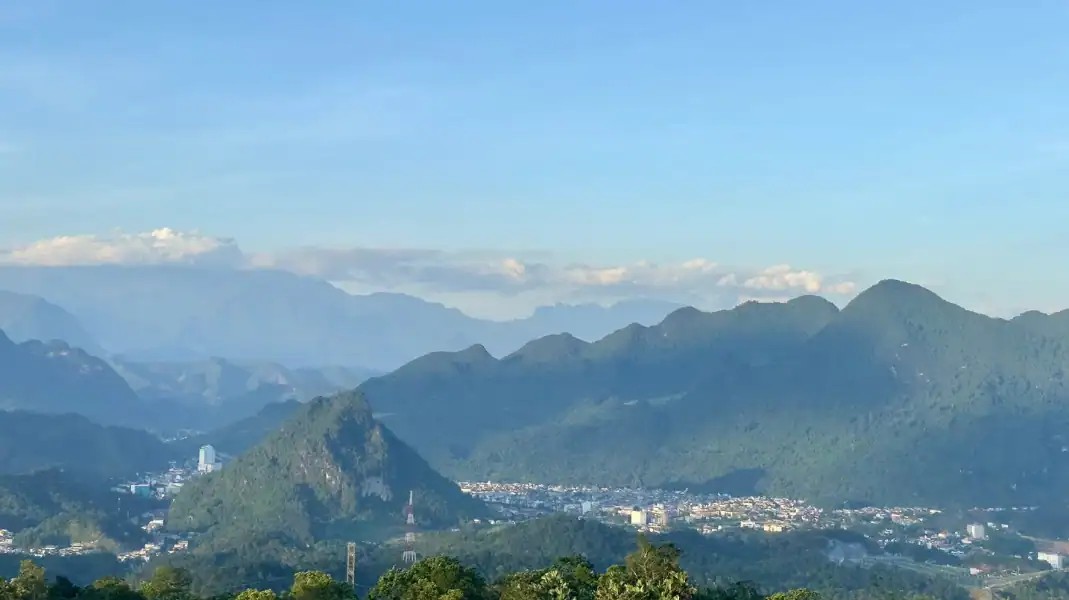
Overview of Tay Con Linh Campsites and Elevation Profiles
| Campsite Location | Elevation | Shelter Infrastructure | Water Source Reliability | Group Capacity | Wind Exposure |
|---|---|---|---|---|---|
| Upper Ridge Camp (Lan 2,000m) | 2,000 meters | Wooden cardamom shack + tent pads | Perennial mountain spring (50m away) | 12 – 15 hikers max | Moderate (Protected by bamboo) |
| Mid-Mountain Camp (Lan 1,600m) | 1,600 meters | Basic hunter shack + clearing | Small stream tributary (Seasonal) | 8 – 10 hikers max | Low (Dense forest canopy) |
| Western Saddle Camp (Cao Bo side) | 1,950 meters | Wild tent pitching only | Rock seep (Requires microfiltration) | 6 – 8 hikers max | High (Open ridge saddles) |
| Field survey data recorded across Vi Xuyen and Hoang Su Phi mountaineering routes (Updated 2026). | |||||
Shelter Options: Cardamom Shacks vs Four-Season Tents
Traditional Wooden Cardamom Shacks (Lan Thao Qua)
Cardamom shacks are hand-built wooden cabins with corrugated metal or split-bamboo roofs, constructed by indigenous Red Dao farmers to dry black cardamom pods over wood-fired drying kilns. These shelters provide a solid roof over elevated timber sleeping platforms, keeping hikers off cold, wet soil.
Porters spread thick insulated foam mats and water-resistant tarps across the wooden slats to ensure draft-free sleeping.
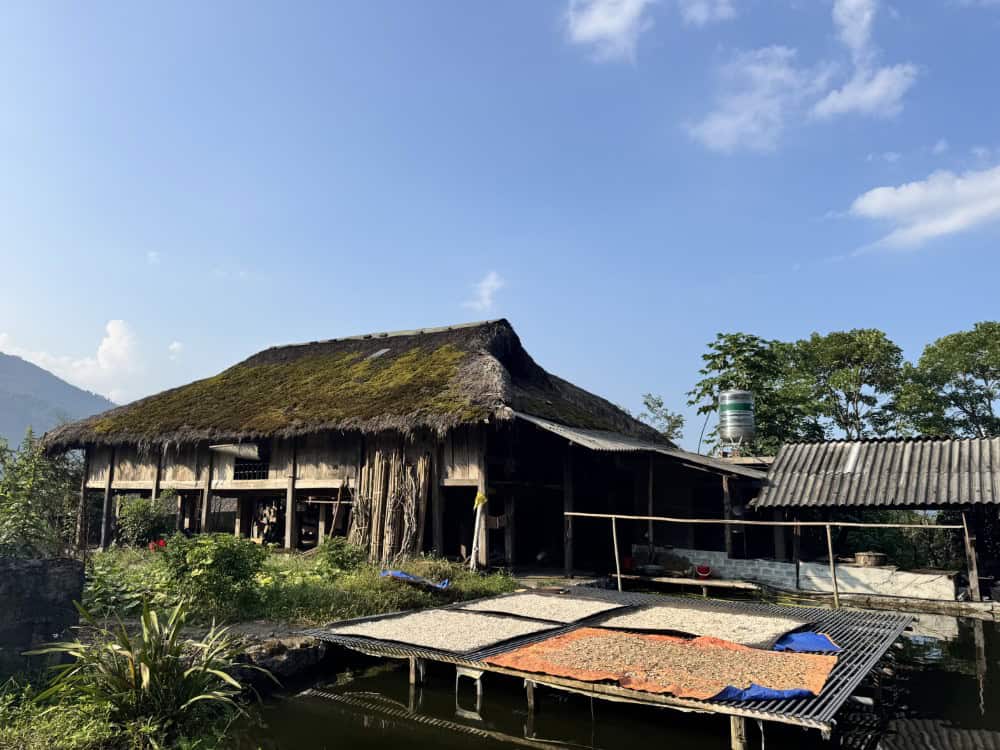
High-Altitude Tenting: Wind Resistance and Moisture Protection
When cardamom huts are occupied or when groups prefer private accommodations, high-altitude double-walled four-season tents are pitched on cleared ground clearings. Tents must feature aluminum poles, a waterproof rainfly rated to at least 3,000mm hydrostatic head, and an impermeable bathtub ground floor.
Sturdy guylines anchored to tree roots and heavy rocks prevent tent collapse during sudden mountain squalls.
Weather Realities: Managing Cold, Humidity, and Condensation
Overnight Temperatures and Wind Chill at High Elevation
During the dry season from November to February, night temperatures at the 2,000-meter camp hover between 2°C and 7°C, with brisk ridge winds making ambient temperatures feel freezing.
As highlighted in our field analysis of Tay Con Linh weather in November, carrying a down sleeping bag with a comfort limit of 0°C to -5°C, paired with an insulated sleeping pad (R-value of 3.0 or higher), is critical to prevent conductive heat loss to the cold timber slats.
Preventing Internal Tent Condensation in Cloud Forests
Tropical cloud forests are saturated with mist. When warm exhaled air meets cold tent fabric, condensation beads quickly form inside single-walled shelters. Always pitch tents with ventilation vents fully propped open to maintain constant airflow. Keep damp hiking jackets and muddy boots inside the outer vestibule rather than inside the main sleeping cabin.
Camp Food, Cooking Logistics, and Porter Support
Hot Farm-to-Table Meals Prepared by Ethnic Dao Porters
Local ethnic Dao porters carry fresh ingredients sourced directly from foothill villages. Evening camp dinners feature steaming pots of ginger chicken soup, stir-fried mountain pork with wild garlic leaves, heirloom highland sticky rice steamed in fresh bamboo tubes, and tender bamboo shoots harvested along the trail.
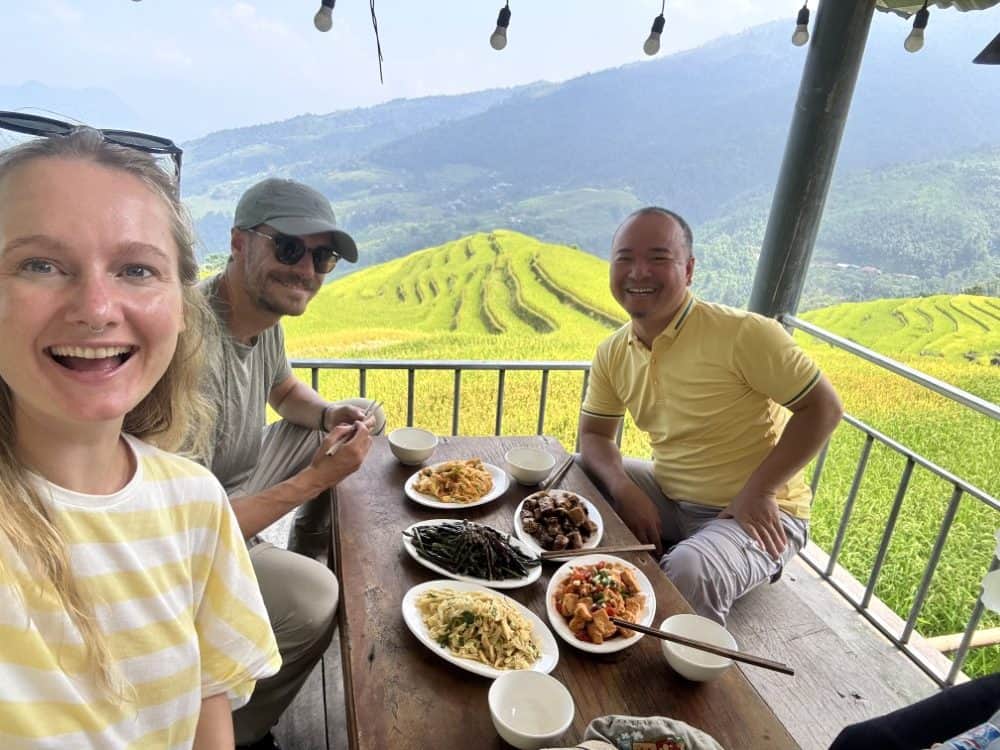
Hot tea brewed from leaves picked from nearby ancient Shan Tuyet tea trees warms tired muscles before sleep.
Camp Stove Protocols and Why Campfires Are Prohibited
In accordance with eco trekking in Tay Con Linh guidelines, open campfires are strictly forbidden on mountain ridges. The soil in high bamboo forests is composed of dry organic peat and decaying root systems that can ignite underground and smolder unnoticed for days.
Expedition teams prepare all meals and boil drinking water using specialized pressurized gas stoves, leaving zero scorch marks on the wilderness landscape.
Leave No Trace Wilderness Ethics and Sanitation
Human Waste Management and Cathole Sanitation
The 2,000-meter cardamom camp features an eco-friendly dry-composting pit latrine shielded by bamboo screens, utilizing wood ash to accelerate decomposition.
When answering calls of nature along the trail, hikers must dig a cathole 15 to 20 centimeters deep at least 60 meters away from all natural springs and creeks. All used toilet paper and wet wipes must be placed in sealable zip-top bags and carried out.
Pack-It-In Pack-It-Out Trash Elimination
Every non-biodegradable item brought up the mountain must return to Ha Giang City for proper municipal disposal. Our porters perform daily trail sweeps around campsites, collecting micro-plastics, snack packaging, and discarded cigarette filters left by outside travelers.
“Sleeping in a wooden hut perched on a 2,000-meter mountain ridge while listening to the wind roar through ancient mossy hardwood trees is an experience you will never forget. Treat this mountain with respect, and it will reward you with sunrises beyond imagination.”
Văn Trung Nguyễn – Expedition Director at TVPalm Adventure
Essential Overnight Camping Gear Checklist
Review this technical packing checklist before departing onto the mountain trail:\
- Sub-Zero Down Sleeping Bag: Pack a sleeping bag with a certified comfort rating between 0°C and -5°C to withstand high-altitude winter chills.
- High R-Value Insulated Sleeping Pad: Equip an inflatable or closed-cell foam sleeping pad with an R-value of 3.0+ to prevent ground heat loss.
- Waterproof Headlamp with Spare Batteries: Carry a 300+ lumen headlamp plus extra USB recharge cables or spare batteries for camp chores and early summit starts.
- Dedicated Camp Clothes in Dry Bag: Keep one clean, dry set of thermal wool underwear, dry woolen socks, and a fleece hoodie sealed in a waterproof dry sack.
- Water Filtration System: Bring a hollow-fiber water filter (Sawyer Squeeze or Katadyn BeFree) to filter mountain spring water safely.
- Verified Adventure Travel Insurance: Ensure your travel insurance for Vietnam trekking explicitly covers backcountry camping and high-altitude evacuation up to 3,000 meters.
Frequently Asked Questions About Tay Con Linh Camping
Is it safe to camp overnight without a local guide?
No. Camping solo or without a certified local guide on Mount Tay Con Linh is extremely dangerous and strongly discouraged.
Trails have zero signage, night fog causes severe disorientation, and water sources are hidden in steep ravines that require local knowledge to locate safely. Furthermore, cardamom huts are private community property requiring local permission to occupy.
Do I need to carry my own tent and cooking gear?
When booking a guided expedition through TVPalm Adventure, you do not need to carry communal gear. Our porter team transports tents, sleeping pads, cooking stoves, fresh food supplies, and safety equipment. Hikers carry only their personal daypack containing clothes, sleeping bag, water, camera, and essential personal items.
Are there dangerous predators or wild animals near camps?
No large predatory mammals such as bears or tigers inhabit the active trekking corridors of Tay Con Linh. The primary wildlife near campsites consists of nocturnal rodents, flying squirrels, forest birds, and small civets. Keeping all food sealed inside airtight bags prevents rodents from chewing through gear.
What is the best season for overnight summit camping?
The premier camping season spans from October to April. As detailed in our comprehensive guide on the best time to trek Tay Con Linh, October and November provide dry weather and crisp skies, while December and January offer the highest frequency of sea-of-clouds phenomena for sunrise photography.


