As Nguyen Trung, CEO of TVPalm Ecolodge/Adventure, with over 20 years of expertise in inbound tourism and eco-tourism development, I’ve personally explored and championed sustainable travel across Northern Vietnam.
This article aims to offer a genuine, practical review of the highest mountains and related experiences in Ha Giang, focusing on Tây Côn Lĩnh, to help you plan your unforgettable adventure with confidence and insight.
1. Tay Con Linh
Tây Côn Lĩnh stands as the undisputed highest mountain in Ha Giang Province and the entire Northeast region of Vietnam, offering a challenging yet incredibly rewarding adventure for trekkers. This majestic peak reaches an impressive elevation of 2,428 meters (7,966 feet) above sea level. It is strategically located within the Tây Côn Lĩnh mountain range, spanning across the districts of Hoàng Su Phì and Vị Xuyên, with its summit near their shared border. Conquering Tây Côn Lĩnh is an ultimate goal for many seeking adventure tourism Vietnam.
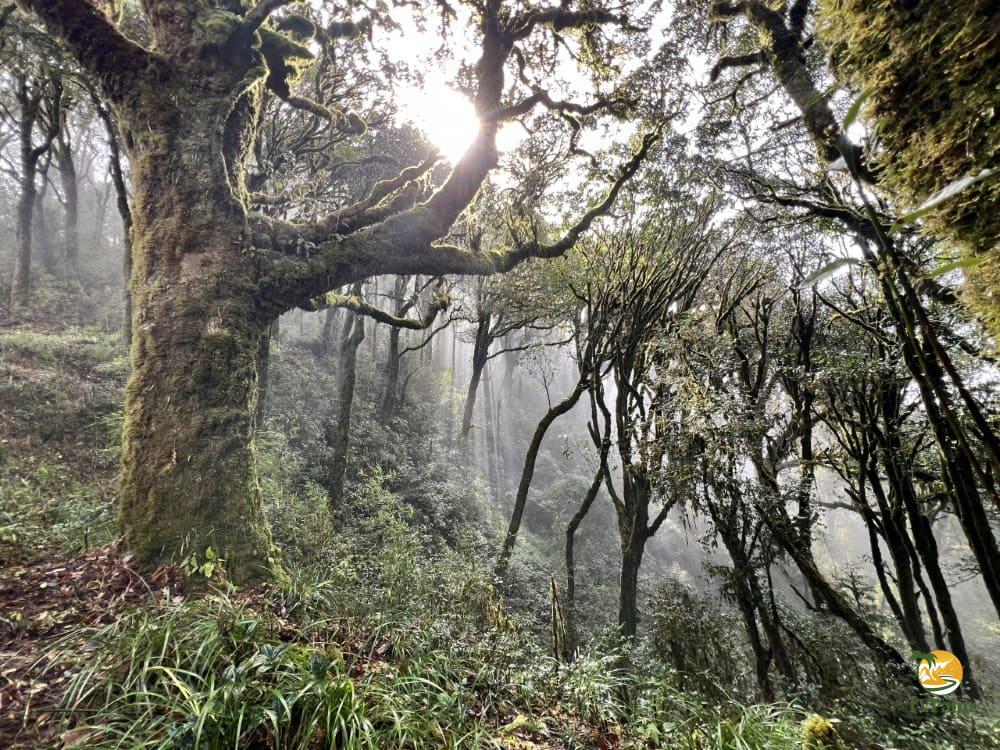
Trekking Tây Côn Lĩnh is considered a moderate to difficult challenge, demanding good physical fitness and prior experience with mountain trekking Vietnam. The trails involve steep ascents and descents, navigating through dense primeval forests and often slippery terrain. Trekkers should be prepared for unpredictable weather, including fog, rain, and strong winds, even during the dry season. A Tây Côn Lĩnh trekking guide is highly recommended to ensure safety and an enriching experience.
The best time to visit Tây Côn Lĩnh is during the dry season, which spans from September to April. From September to November, cooler temperatures and clear skies offer excellent panoramic views. December to February brings colder winter months, often dropping to freezing, but this period is ideal for spectacular cloud hunting Ha Giang experiences as clouds gather below the peak. March to April offers milder weather and blooming flora, though occasional drizzles may occur. The rainy season, from May to August, makes trails extremely muddy and increases risks, with poor visibility.
Most expeditions to Tây Côn Lĩnh are organized as 2-day/1-night or 3-day/2-night itineraries. Common starting points include villages in Hồ Thầu, Hoàng Su Phì district, or Bản Luốc, Vị Xuyên district. Due to the challenging terrain and remote location, guided tours to Tây Côn Lĩnh Ha Giang are highly recommended. Local guides possess invaluable knowledge of the trails, weather patterns, and local culture, ensuring a safer and more enriching journey. Book Ha Giang trekking tour packages often include transportation, guides, porters, and meals.
Accommodation options typically include camping near the peak, providing an immersive experience under the stars, or staying in local homestays in ethnic minority villages at the mountain’s base. These Tây Côn Lĩnh homestay options offer a unique opportunity to experience local culture Tây Côn Lĩnh Ha Giang and hospitality. When considering what to pack for Tây Côn Lĩnh trek, essential items include layered clothing, a waterproof jacket, sturdy trekking boots, a headlamp, a first-aid kit, water bottles, high-energy snacks, sunscreen, a hat, insect repellent, and a sleeping bag if camping.
Beyond its height, Tây Côn Lĩnh is unique for its vast primeval forest, boasting high biodiversity with numerous rare species of flora and fauna. This makes it a significant site for ecotourism Ha Giang and scientific research. The region is also famous for its ancient Shan Tuyet tea trees, particularly in Hoàng Su Phì, which produce a distinctive, highly prized tea. Trekkers can also experience local culture by interacting with the Hmong, Dao, and La Chí ethnic groups.

2. Chieu Lau Thi
Chieu Lau Thi is another prominent and challenging peak in Ha Giang, standing as the second-highest at 2,402 meters (7,881 feet) above sea level. Located in the Hoàng Su Phì district, this mountain offers a trekking experience comparable to Tây Côn Lĩnh in its demands and rewards. Chieu Lau Thi is particularly renowned for its stunning cloudscapes and the breathtaking terraced rice fields that characterize the surrounding Hoang Su Phi area. For those considering Tây Côn Lĩnh vs. other Ha Giang mountains, Chieu Lau Thi provides an equally rigorous trek through beautiful landscapes, often favored for its picturesque views and cultural richness.

3. Hoang Su Phi District
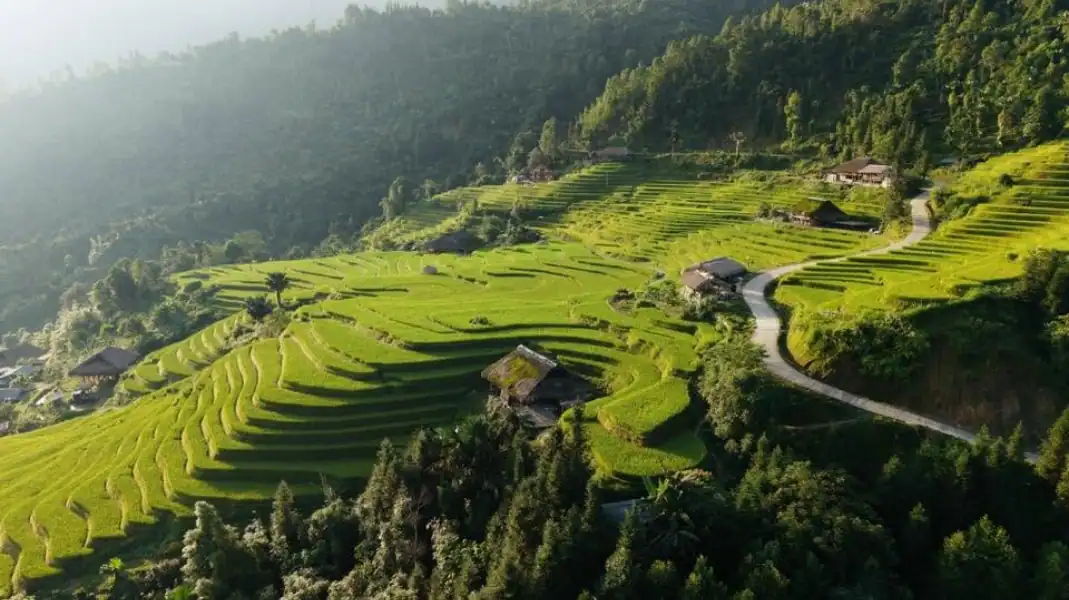
Hoang Su Phi district is a cornerstone of Ha Giang’s mountainous landscape, home to both Tây Côn Lĩnh and Chieu Lau Thi. This district is globally recognized for its magnificent terraced rice fields, which cascade down hillsides, creating a spectacular sight, especially during the harvest season. It is also the heartland of ancient Shan Tuyet tea cultivation, with centuries-old tea trees dotting the high-altitude hills. Exploring Hoang Su Phi offers profound opportunities for cultural immersion Ha Giang, allowing visitors to connect with the Hmong, Dao, and La Chí ethnic groups and witness their traditional way of life.

4. Vi Xuyen District
Vi Xuyen district plays a crucial role in the Tây Côn Lĩnh mountain range, as a significant portion of the peak lies within its boundaries. This district is characterized by its rugged natural beauty, dense forests, and pristine rivers, making it an important gateway for adventure travel Vietnam. Visitors often pass through Vi Xuyen when heading to Tây Côn Lĩnh, experiencing the diverse landscapes that define Northern Vietnam travel.

5. Shan Tuyet Tea Hills
The Shan Tuyet tea hills of Ha Giang, particularly in the Hoang Su Phi and Tây Côn Lĩnh regions, are a testament to the area’s rich agricultural heritage. These ancient tea trees, some hundreds of years old, thrive naturally at high altitudes, producing a distinctive and highly prized Shan Tuyet tea. Visiting these tea plantations offers a unique cultural experience, allowing travelers to learn about the traditional tea-making process and sample this exquisite local product. It is a vital part of the cultural immersion Ha Giang experience.
6. Dong Van Karst Plateau Geopark
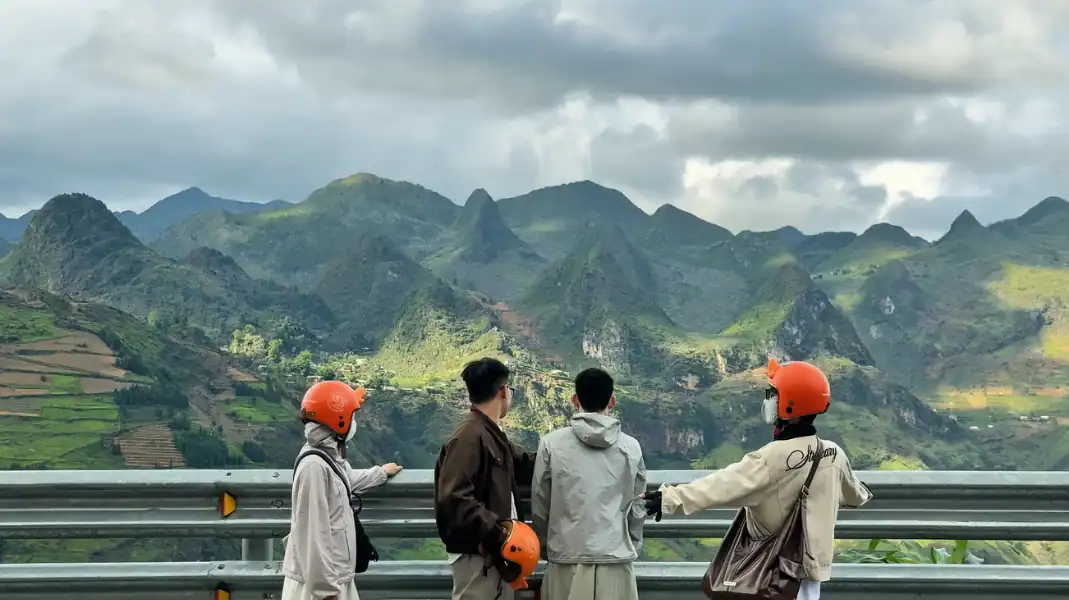
The Dong Van Karst Plateau Geopark, a UNESCO Global Geopark, showcases the dramatic and unique geological formations of Ha Giang Province. While not directly featuring the highest peaks, it provides a broader context for the region’s scenic landscapes Vietnam. This geopark is characterized by its towering limestone karsts, deep canyons, and diverse ecosystems, offering a different yet equally captivating aspect of Ha Giang’s natural wonders. It is often included in the broader Ha Giang Loop, enhancing the overall experience of exploring this mountainous province.
7. Ma Pi Leng Pass
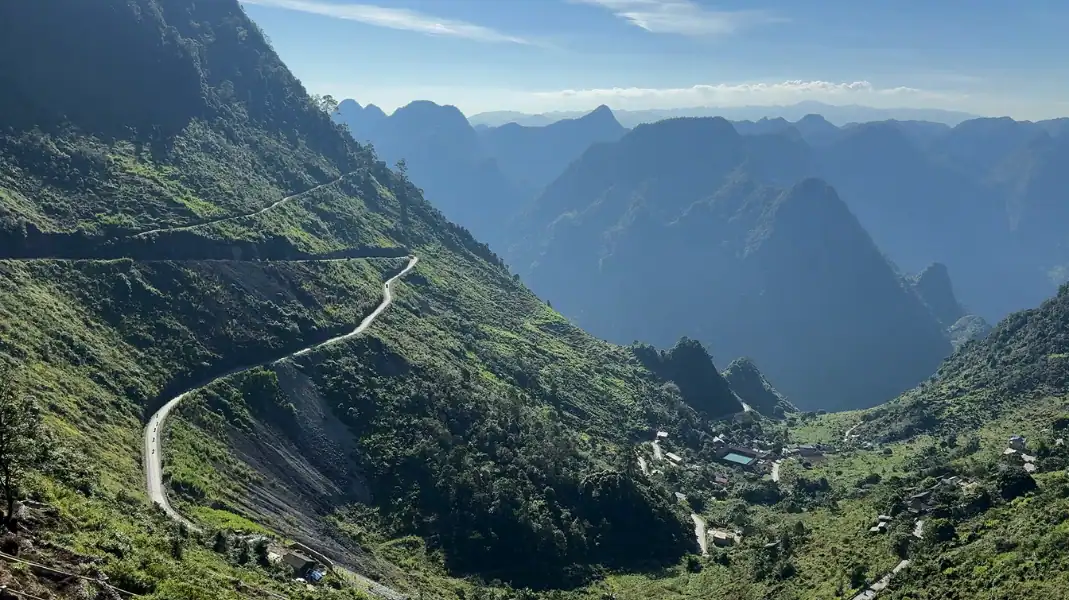
Ma Pi Leng Pass is widely regarded as one of Vietnam’s most iconic mountain passes, offering breathtaking panoramic views of the Nho Que River below and the surrounding majestic mountains. Often referred to as the King of Passes, it is a highlight of the Ha Giang Loop, attracting travelers with its dramatic cliffs and winding roads. The pass provides a different perspective on Vietnam mountain peaks, showcasing the sheer scale and beauty of the region’s topography.
8. Nho Que River
The Nho Que River, with its emerald green waters, carves a spectacular canyon through the mountains of Ha Giang, particularly visible from the vantage points of Ma Pi Leng Pass. Boat trips along the Nho Que River offer a serene and awe-inspiring experience, allowing visitors to appreciate the towering cliffs and lush scenery from a unique perspective. This river is an integral part of the scenic landscapes Vietnam offers in Ha Giang.

9. Ethnic Minority Villages of Ha Giang
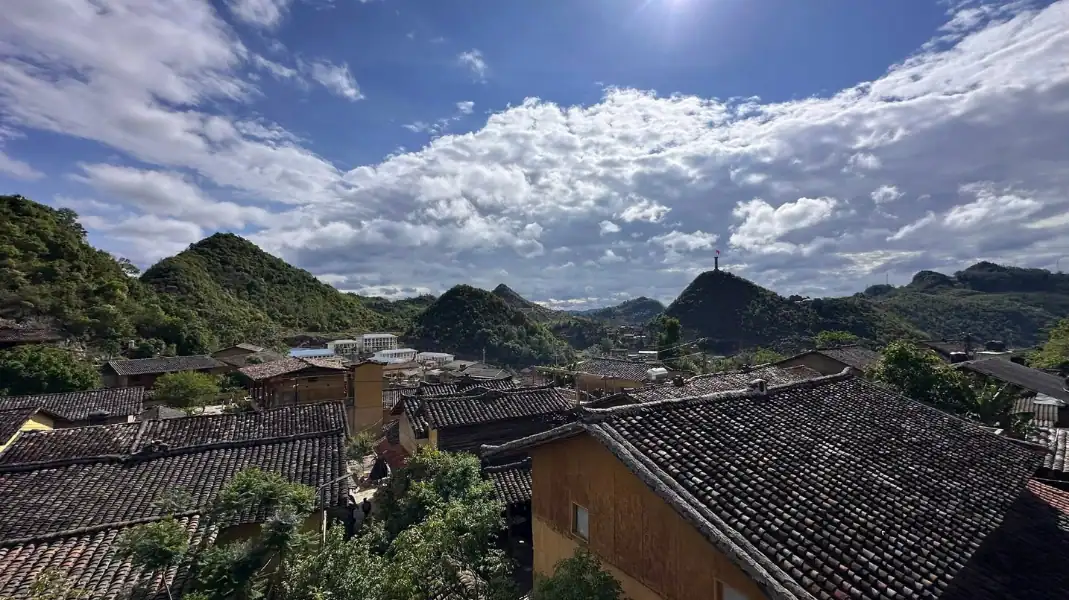
Ha Giang is a mosaic of diverse ethnic minority cultures, with groups such as the Hmong, Dao, and La Chi people residing in traditional villages scattered across the mountainous terrain. These villages offer invaluable opportunities for cultural immersion Ha Giang, allowing visitors to experience local customs, traditional crafts, and authentic cuisine. Engaging with these communities fosters sustainable travel Ha Giang and provides a deeper understanding of the region’s rich human tapestry. Responsible tourism supports these communities and preserves their unique heritage.
10. Cloud Hunting Experiences in Ha Giang
Cloud hunting in Ha Giang is a magical experience, particularly sought after on high peaks like Tây Côn Lĩnh and Chieu Lau Thi during the winter months (December to February). Trekkers who brave the cold are often rewarded with breathtaking vistas of a vast sea of clouds stretching endlessly below them, creating an ethereal landscape. This phenomenon is a major draw for those seeking unique scenic landscapes Vietnam and an unforgettable adventure. The best viewpoints on Tây Côn Lĩnh often provide prime cloud hunting opportunities.
Criteria for evaluating and choosing Highest Mountains in Ha Giang
When evaluating and choosing among the highest mountains in Ha Giang, several key criteria guide the decision-making process for an optimal adventure. Considering these factors helps align your expectations with the realities of the trek.
- Difficulty Level: Assess your physical fitness and trekking experience. Tây Côn Lĩnh difficulty level is moderate to difficult, requiring good preparation.
- Scenic Beauty: Consider the type of scenery you prefer, from primeval forests to terraced rice fields and cloudscapes.
- Cultural Immersion: Evaluate opportunities to experience local culture Ha Giang and interact with ethnic minority villages.
- Best Time to Visit: Align your trip with the ideal weather conditions for trekking or cloud hunting Ha Giang.
- Guide and Tour Availability: Determine if you prefer a guided tour and if local guides are readily available for your chosen peak.
- Logistics and Accessibility: Research starting points, transportation, and accommodation options like a Tây Côn Lĩnh homestay.
Which Highest Mountains in Ha Giang is best?
Determining which of the highest mountains in Ha Giang is “best” ultimately depends on your individual trekking goals and preferences. For those seeking to conquer the absolute highest peak and experience a challenging Tây Côn Lĩnh adventure travel, Tây Côn Lĩnh is the premier choice. It offers an unparalleled journey through pristine primeval forest exploration and the chance to stand on the Roof of Northeast Vietnam. A Tây Côn Lĩnh trekking guide is essential for this endeavor.
However, if your priority includes stunning terraced rice fields alongside a rigorous trek and equally spectacular cloud hunting opportunities, Chieu Lau Thi in Hoang Su Phi district presents a compelling alternative. Both peaks offer profound cultural immersion with ethnic minority villages Ha Giang. For a comprehensive experience, consider a guided tour to Tây Côn Lĩnh Ha Giang, which often integrates cultural visits and logistical support. Ultimately, both mountains promise an unforgettable off-the-beaten-path travel Vietnam experience.

FAQs about Ha Giang’s High Mountains
Here are answers to common questions about exploring the high mountains of Ha Giang.
Do I need a permit to trek Tây Côn Lĩnh?
While Vietnamese citizens do not need a permit for trekking Tay Con Linh, foreign visitors should use a reputable operator for necessary registrations. You can trust TVPalm to handle all required permits for your trekking Tay Con Linh journey. Please always respect local customs.
How do I find a reliable Tây Côn Lĩnh tour package?
To book Ha Giang trekking tour, research tour operators specializing in adventure tourism Vietnam and ecotourism Ha Giang. Look for companies with experienced local guides, clear itineraries, and positive reviews. Ensure the package includes essential logistics like transportation, meals, and accommodation.
What is the Tây Côn Lĩnh mountain range elevation and location?
Tây Côn Lĩnh reaches 2,428 meters (7,966 feet) above sea level. It is located in the Tây Côn Lĩnh mountain range, spanning the Hoàng Su Phì and Vị Xuyên districts of Ha Giang Province, near their border.
What should I pack for a Tây Côn Lĩnh trek?
A comprehensive packing list includes layered clothing (warm, waterproof), sturdy trekking boots, a headlamp, a first-aid kit, water bottles, high-energy snacks, sunscreen, a hat, insect repellent, and a sleeping bag if camping. Consider the Tây Côn Lĩnh difficulty level when selecting your gear.
Is Tây Côn Lĩnh suitable for beginners?
Trekking Tây Côn Lĩnh is generally rated as moderate to difficult and is best suited for individuals with good physical fitness and some prior trekking experience. Beginners should consider shorter, less strenuous treks or ensure they are accompanied by experienced guides and well-prepared.