

Planning your epic Ha Giang Loop adventure? One of the biggest questions I hear is about accessing cash, and for good reason – money management can make or break your trip in this remote region. Knowing how to handle an ATM on the Ha Giang Loop is crucial before you set off.
As Nguyen Trung, CEO of TVPalm with over two decades in Vietnamese tourism, I have seen it all. This guide, built on extensive local experience and traveler feedback, cuts through the confusion to give you the definitive answers on ATMs, cash, and payments, ensuring your journey is smooth and worry-free.
ATM on the Ha Giang Loop and Why Cash is King: Why You Need to Be Prepared
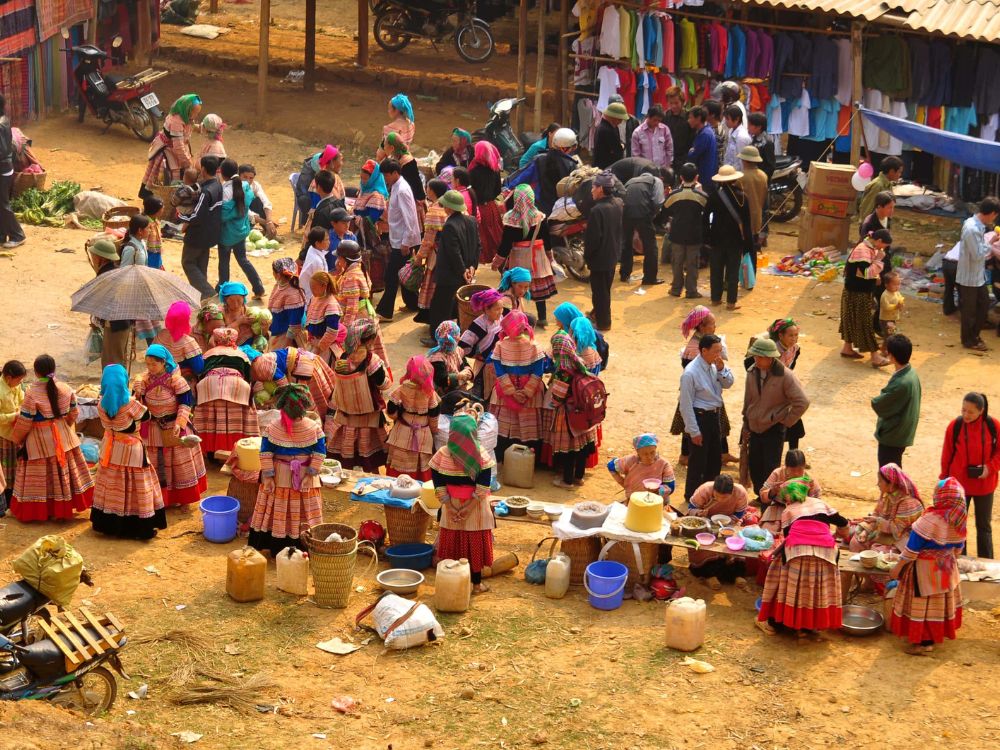
The Ha Giang Loop operates almost entirely on Vietnamese Dong (VND). This applies to local restaurants, homestays, street food vendors, market stalls, and even petrol stations in smaller towns.
The Reality of Payments Beyond Ha Giang City
Beyond Ha Giang City, relying on anything other than cash is a gamble. Most local establishments, from small noodle shops to guesthouses, are cash-only. This means your international debit card will be largely unhelpful for day-to-day spending on the loop itself. Prepare to carry enough Vietnamese Dong to cover your expenses.
Limited Card and E-Wallet Acceptance: What to Expect
Card payments are very limited once you leave Ha Giang City. Even in Dong Van, card acceptance is inconsistent at best. Do not plan to rely on card payments for homestays or most local restaurants, as they typically operate on a cash-only basis. While some tour operators in Ha Giang City might accept card payments for tours, it is crucial to confirm this when booking. Mobile payment options like Momo or ZaloPay are generally not available for foreigners.
Where to Find ATMs on the Ha Giang Loop: Locations and Reliability
Ha Giang City: Your Primary Withdrawal Hub
Ha Giang City is your most reliable place to withdraw cash before starting the loop. The city hosts several ATMs from major Vietnamese banks, including Agribank, Vietcombank, BIDV, and Techcombank. These ATMs generally accept foreign Visa and Mastercard, offering a dependable option for securing your funds.
ATMs in Major Towns: Dong Van, Meo Vac, Yen Minh, Quan Ba
While some towns along the route have ATMs, their reliability for foreign cards is inconsistent. It is always best to withdraw what you need in Ha Giang City.
Dong Van ATM Availability and Reliability
There are reported ATMs in Dong Van town, typically from Agribank. However, these can be out of cash or temporarily out of service, making them an unreliable primary source for foreign card withdrawals. Treat any ATM in Dong Van as a potential backup, not a guaranteed solution.
Meo Vac ATM Options and Consistency
Meo Vac has limited banking infrastructure and some ATMs, but their reliability for foreign cards is inconsistent. Similar to Dong Van, do not count on consistent ATM access here.
Yen Minh and Quan Ba: Sparse but Present
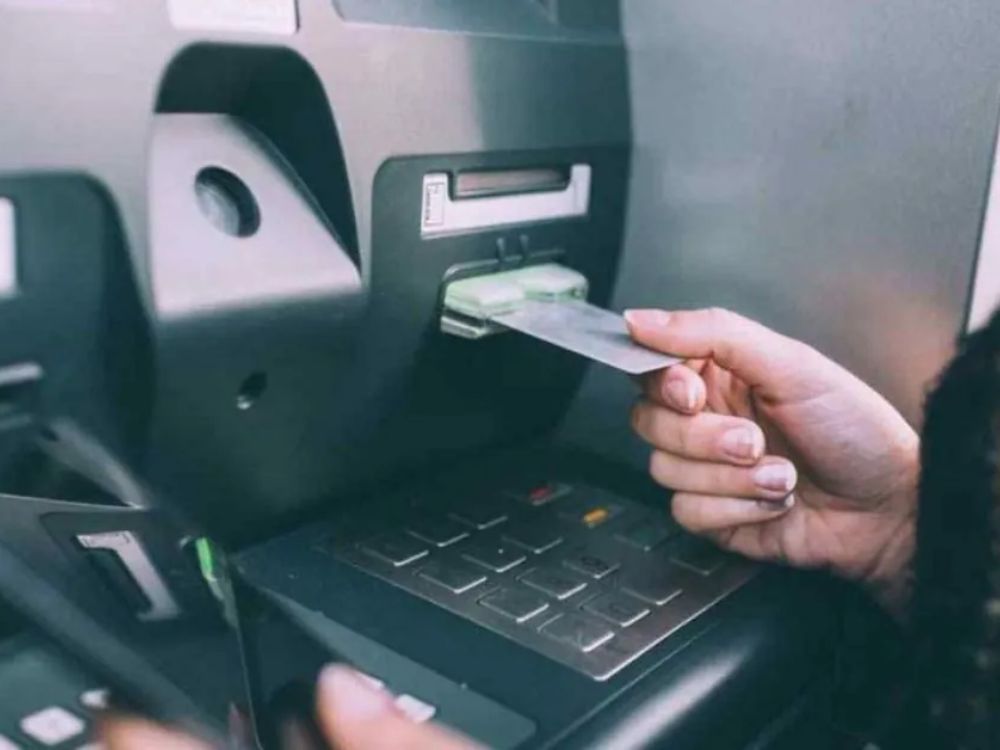
ATMs are usually found in larger towns like Quan Ba and Yen Minh, but long stretches of the route have none at all. Agribank has a presence in Yen Minh, but its availability and reliability are inconsistent; treat it as a backup option.
Recommended Banks for International Cards
For international ATM withdrawals, certain banks offer better reliability and acceptance.
Agribank and Vietcombank: Widely Accepted
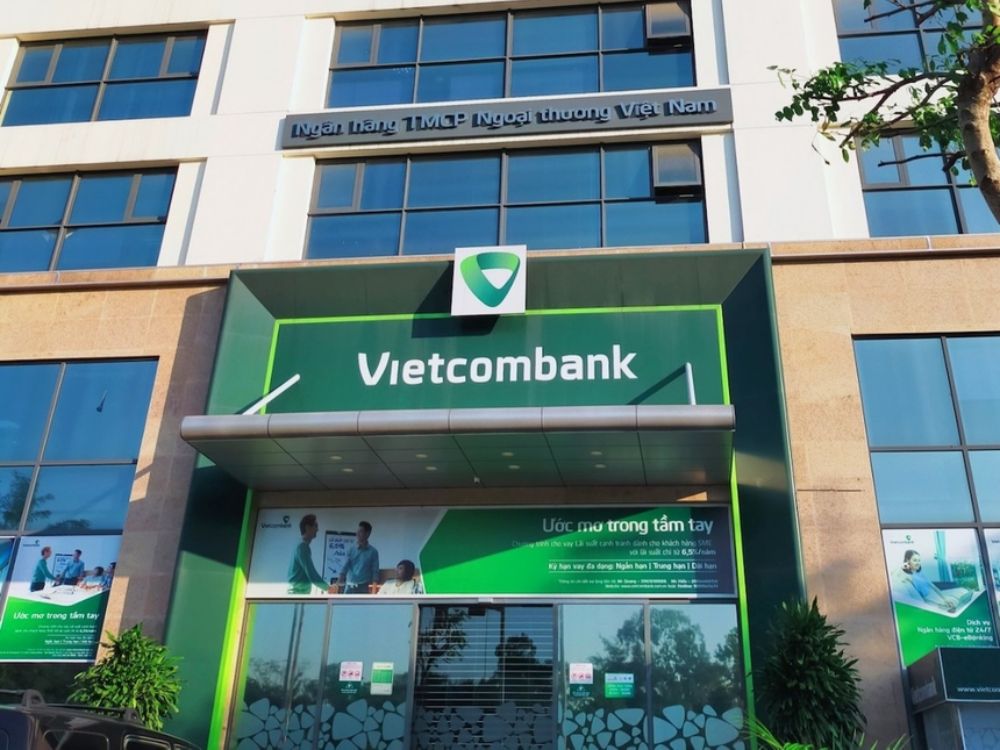
Most major international Visa and Mastercard cards work at Agribank and Vietcombank ATMs in Ha Giang City. Agribank is often considered the most consistent option for foreign cards and is widespread across rural Vietnam. Vietcombank is another solid choice that generally works well with foreign cards.
Other Major Banks: BIDV, Techcombank, Vietinbank, VPBank
Other major Vietnamese banks like BIDV, Techcombank, Vietinbank, and VPBank also have ATMs in Ha Giang City. While their availability and reliability may vary by machine, they can be additional options if Agribank or Vietcombank ATMs are unavailable.
Navigating International Card Withdrawals: Fees, Limits, and Best Practices
Accepted International Cards: Visa and Mastercard
Most ATMs in Vietnam universally accept Visa and Mastercard. These are the most widely accepted international debit cards for cash withdrawals in Ha Giang City.
Understanding ATM Withdrawal Limits
ATM withdrawal limits vary significantly by bank and location.
Typical Limits by Bank (VPBank, Vietcombank, others)
VPBank generally offers the highest withdrawal limit, up to 10,000,000 VND per transaction. Vietcombank typically allows 2,000,000 to 5,000,000 VND per transaction. Most other local bank ATMs have limits of 2,000,000–3,000,000 VND per transaction. You may need to perform multiple transactions to get enough cash.
Impact of Your Home Bank’s Limits
Remember that your home bank may also apply its own per-transaction or daily withdrawal limits, which can impact the total amount you can withdraw. Check with your bank before you travel to avoid surprises.
How Much Cash Do You Really Need for the Ha Giang Loop?
Budget for Independent Travelers (3-5 days)
Budget travelers on a 3-4 day self-drive loop typically need 2,000,000–3,500,000 VND in personal cash, beyond any pre-paid tour costs. A 5-day independent trip might require a total of 2,800,000 to 6,600,000 VND.
Recommended Cash for Guided Tour Participants
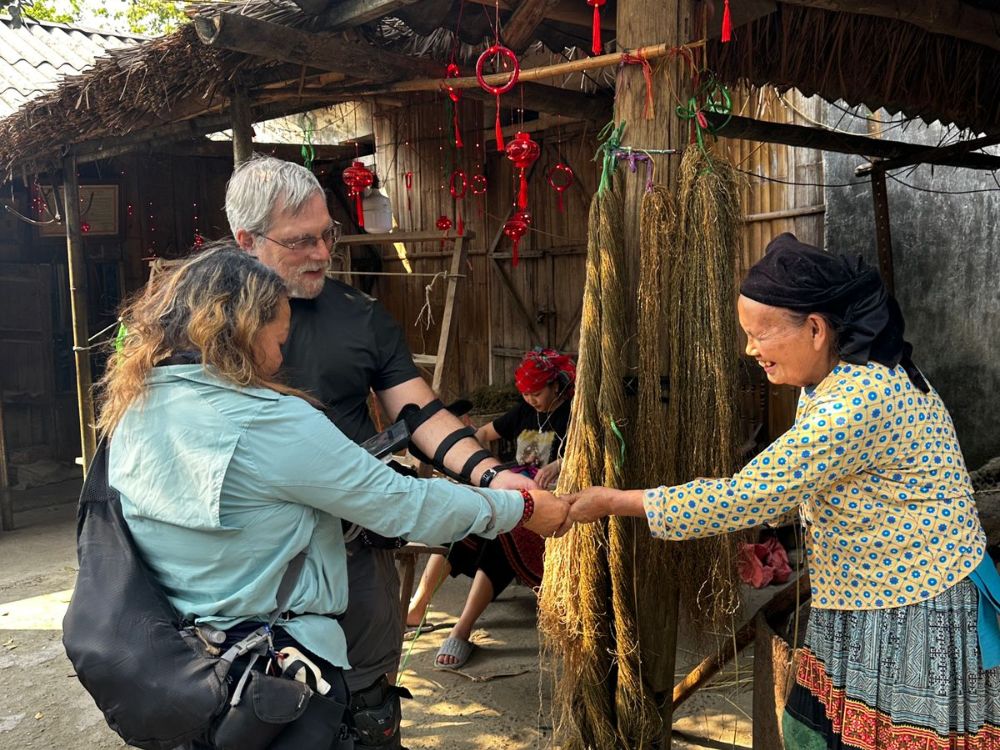
Since most expenses are covered on all-inclusive packages, you won’t need much daily cash. However, keeping a backup of 1,000,000 to 1,500,000 VND for personal drinks and extra activities is always a smart move.
A budget of 3,000,000 to 4,500,000 VND is perfect for shorter trips like a ha giang loop tour 3 days or a ha giang loop tour 4 days. If you plan to shop for souvenirs or upgrade your room,
Alternative Payment Methods and Currency Exchange
Limited Card and E-Wallet Acceptance on the Loop
Beyond Ha Giang City, card and e-wallet acceptance is extremely limited.
Homestays and Restaurants: Mostly Cash
Homestays and local restaurants on the Ha Giang Loop almost exclusively accept cash. Do not expect to pay by card at these establishments.
Exceptions: Some Tour Operators and Larger Establishments
In Ha Giang City, some larger establishments and tour operators might accept card payments. However, this is not the norm once you venture onto the loop itself.
Where to Exchange Currency
Bank Branches in Ha Giang City (Vietcombank, Agribank)
Bank branches in Ha Giang City, such as Vietcombank and Agribank, offer currency exchange services. These are generally your best bets for official exchange.
Informal Exchange at Guesthouses or Gold Shops
Some guesthouses and tour operators may offer informal exchange for USD, but rates can vary. Gold and jewelry shops (tiệm vàng) can also exchange currency.
Why Hanoi is Your Best Bet for Exchange Rates
For the best exchange rates, it is highly recommended to exchange a larger amount of money in Hanoi before traveling north to Ha Giang. Avoid exchanging money at airports or hotels, as their rates are often unfavorable.
Emergency Preparedness: What If an ATM Fails?
Common ATM Issues and Limited Solutions in Remote Areas
ATMs along the Ha Giang Loop can run out of cash or be out of service, especially on weekends or around Vietnamese public holidays. If an ATM fails, your options are limited. Your guesthouse might exchange a small amount of foreign currency at a local rate, other travelers might help, or a tour guide can sometimes facilitate solutions. The best solution is to avoid this situation by withdrawing enough cash in Ha Giang City.
Essential Backup Strategies
Implementing backup strategies can prevent significant disruptions to your trip.
Carrying Multiple Cards from Different Banks
Always carry multiple cards from different banks. If one card is lost, stolen, or not accepted, you have alternatives.
Emergency USD as a Last Resort
Having some USD as an emergency backup is sensible. While not necessary for day-to-day spending, clean, new USD bills are relatively easy to exchange if needed.
Notifying Your Bank Before Travel
Notify your bank about your travel plans to Vietnam. This helps prevent your card from being flagged for suspicious activity and potentially blocked.
Separating Your Cash Stash
Separate your cash stash. Keep a small amount of cash easily accessible for daily expenses and hide the rest in a different, secure location.
Frequently Asked Questions About Money on the Ha Giang Loop
Is it safe to carry a lot of cash on the Ha Giang Loop?
Yes, it is generally safe to carry a reasonable amount of cash on the Ha Giang Loop. Petty theft is rare, but it is always wise to be discreet and keep your money secure in different places.
Can I use USD or EUR directly on the Ha Giang Loop?
No, you cannot reliably use USD or EUR directly on the Ha Giang Loop for daily transactions. Vietnamese Dong (VND) is the only accepted currency. While some places might informally accept foreign currency, the exchange rates will be unfavorable
Are there any mobile payment options available, like Momo or ZaloPay, for foreigners?
Generally, mobile payment options like Momo or ZaloPay are not readily available or easily accessible for foreigners on the Ha Giang Loop. These apps typically require a Vietnamese bank account and phone number.