

Searching for “easy trekking routes to see snub-nosed monkeys” in Vietnam? While the allure of encountering these rare primates is strong, direct public trekking to guarantee sightings of the critically endangered Tonkin snub-nosed monkey is generally not available or recommended due to their fragile status and protected habitats. This article aims to guide you toward responsible engagement, highlighting ethical ways to support their conservation and experience Vietnam’s rich biodiversity without disturbance.
As Nguyen Trung, CEO of TVPalm Ecolodge/Adventure with over two decades of expertise in sustainable inbound tourism, I am here to share how you can contribute positively to the survival of these magnificent creatures.
Understanding the Tonkin Snub-nosed Monkey: A Critically Endangered Gem of Vietnam
What Makes the Tonkin Snub-nosed Monkey Unique?
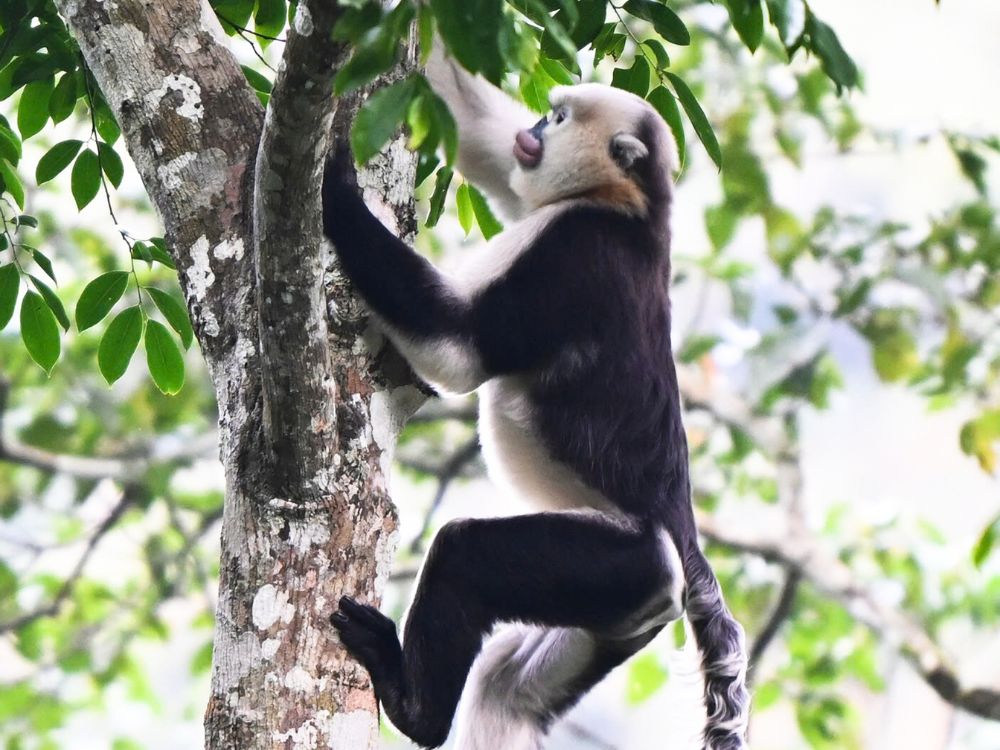
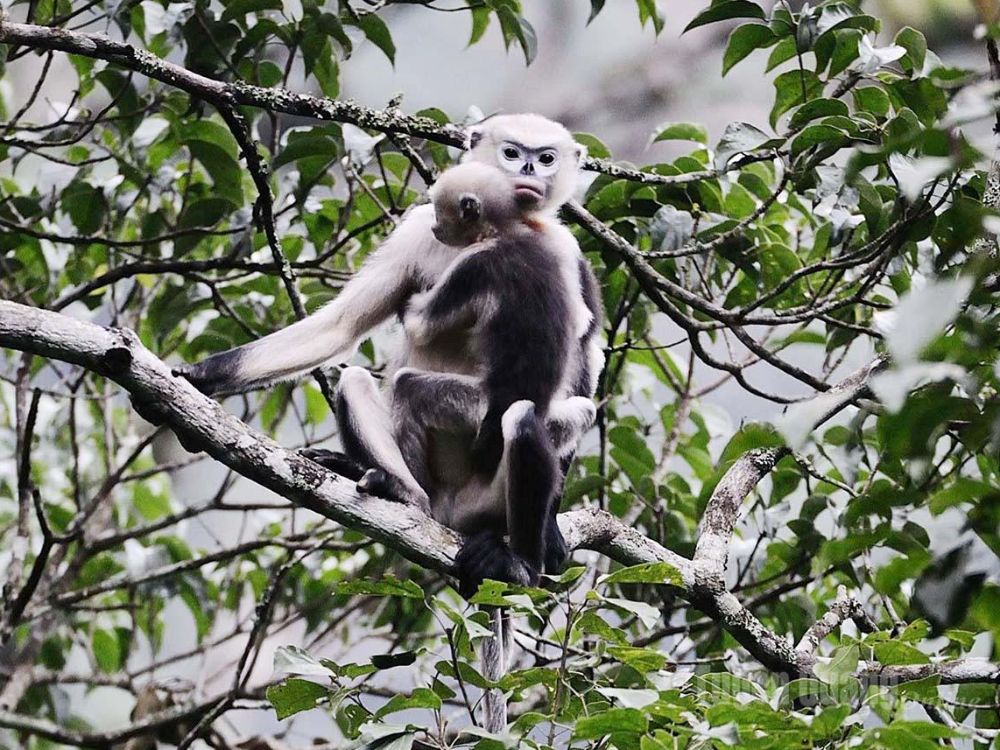
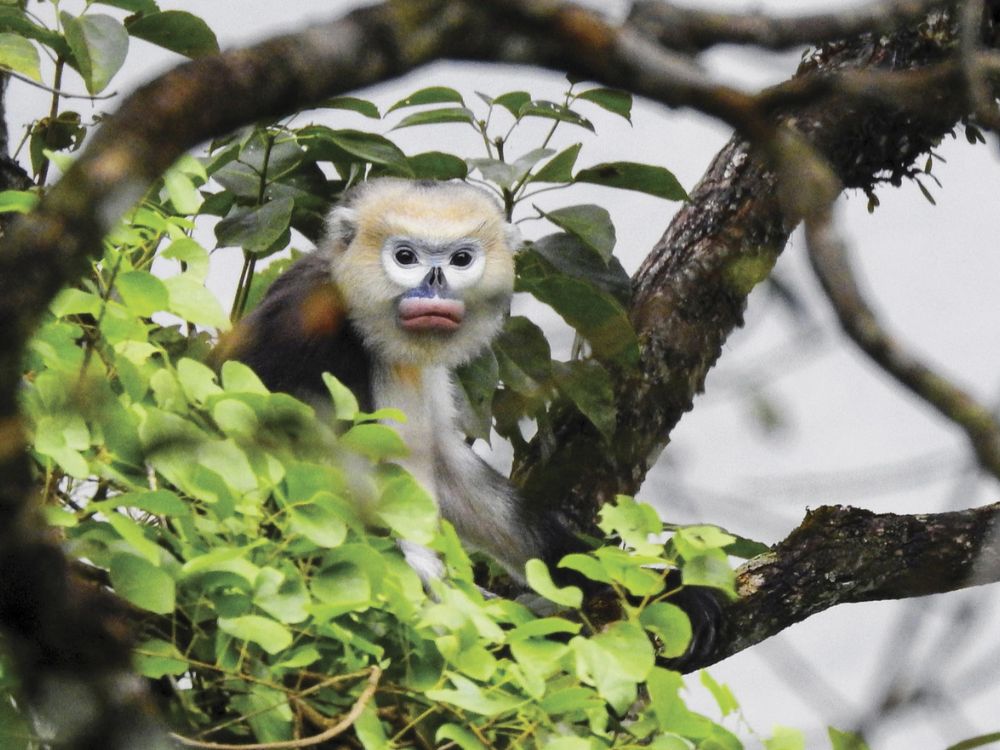
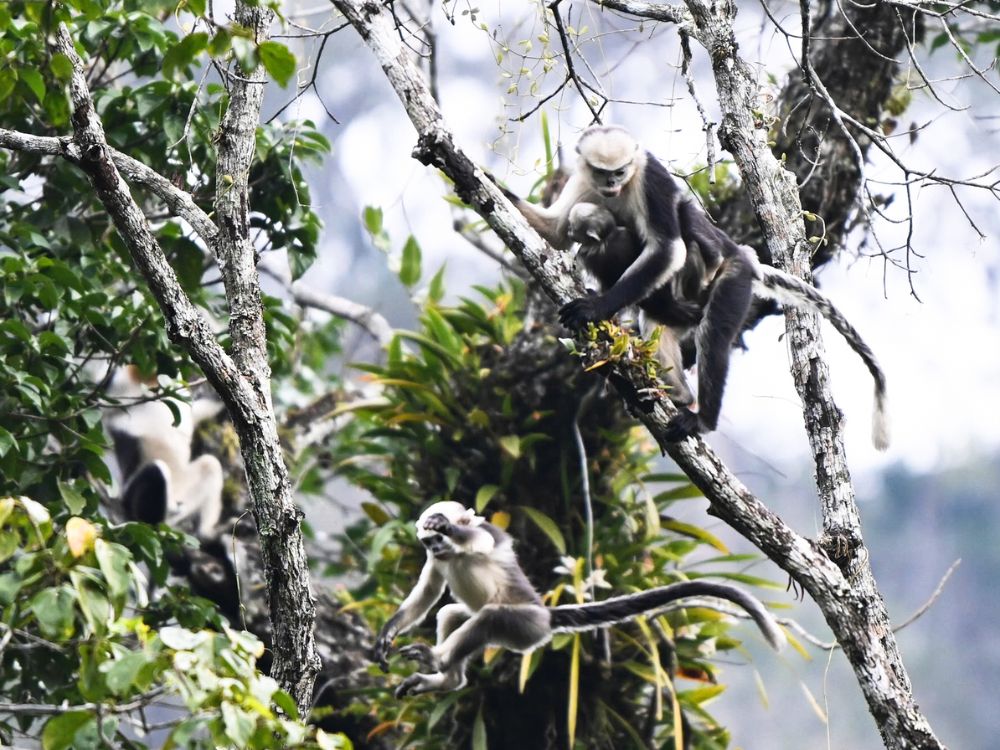
The Tonkin snub-nosed monkey (Rhinopithecus avunculus) stands out with its distinctive appearance and social behavior. This large, arboreal primate is characterized by its upturned nose, thick fur, and vibrant coloration. Adults typically display blackish-brown fur on their backs and limbs, contrasting with a creamy white belly and throat. They also feature a prominent white patch on their rump and a long tail.
Males are generally larger than females, showcasing a striking presence in their forest habitat. These monkeys are primarily folivorous, meaning their diet consists mainly of leaves, supplemented by fruits, flowers, and seeds. They are highly social, living in multi-male, multi-female groups, a common social structure among many primate species.
Why Are They Critically Endangered?
The Tonkin snub-nosed monkey faces an extremely high risk of extinction, classified as Critically Endangered by the IUCN Red List. Their population has dramatically declined, with estimates around 250 individuals in 2017, highlighting the severe threats to their survival.
Primary threats include extensive habitat loss due to logging, agricultural expansion, and infrastructure development. Poaching also poses a significant danger, as these rare monkey species are hunted for bushmeat and ingredients in traditional medicine. This combination of factors contributes to their alarming population statistics and the urgent need for robust conservation challenges.
Where Do They Live? Habitat and Distribution
These elusive primates are exclusive to northern Vietnam, primarily found within Ha Giang and Tuyen Quang provinces. Their preferred habitat consists of dense, evergreen broadleaf forests within karst limestone formations, typically at elevations ranging from 200 to 1,200 meters above sea level.
The rugged and often inaccessible terrain of these limestone karsts has historically provided some natural protection against human encroachment. Key strongholds for the Tonkin snub-nosed monkey population recovery efforts Vietnam include the Khau Ca Species and Habitat Conservation Area in Ha Giang and Du Gia National Park, also in Ha Giang, both crucial for primate habitat protection.
The Reality of “Easy Trekking” to See Tonkin Snub-nosed Monkeys
Managing Expectations: Direct Sightings Are Not Recommended
Addressing the “feasibility of easy trekking” user concern, it is important to understand that direct sightings of Tonkin snub-nosed monkeys are generally not recommended or available to the public.
These are critically endangered species, inherently elusive and shy, making guaranteed encounters highly improbable. Prioritizing conservation over direct tourist encounters is paramount to their survival. The goal is to support their continued existence in the wild, which often means minimizing human disturbance in their fragile ecosystems.
Why Access is Restricted: Protecting a Fragile Species
Access to the habitats of Tonkin snub-nosed monkeys is restricted to protect this fragile species. Their shy nature means human presence can cause significant stress and alter their natural behaviors.
Furthermore, minimizing human disturbance helps prevent the transmission of diseases from humans to monkeys, which could have devastating effects on their already small population. Permit requirements for research and official conservation activities are strictly enforced, ensuring that any entry into their habitats serves a direct conservation purpose. This strict environmental protection Vietnam policy is vital for primate habitat protection.
Key Conservation Areas: Khau Ca and Du Gia National Park
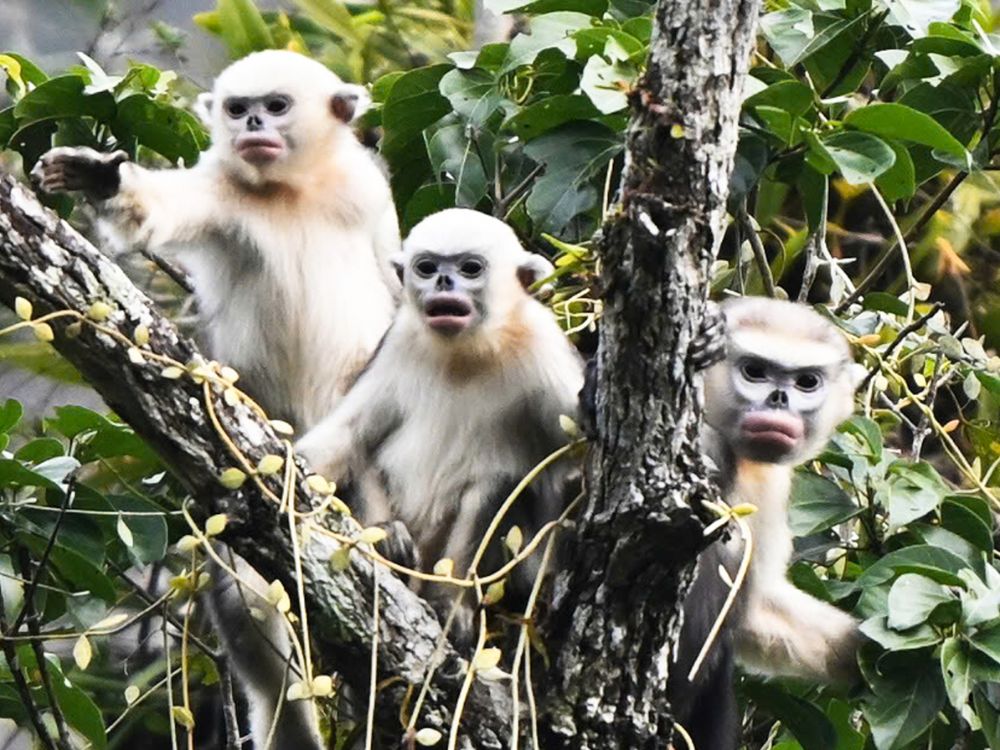
Khau Ca Species and Habitat Conservation Area in Ha Giang is one of the most significant strongholds for the Tonkin snub-nosed monkey. This protected area is specifically managed for the conservation of this species and its unique karst limestone forests Vietnam ecosystem.
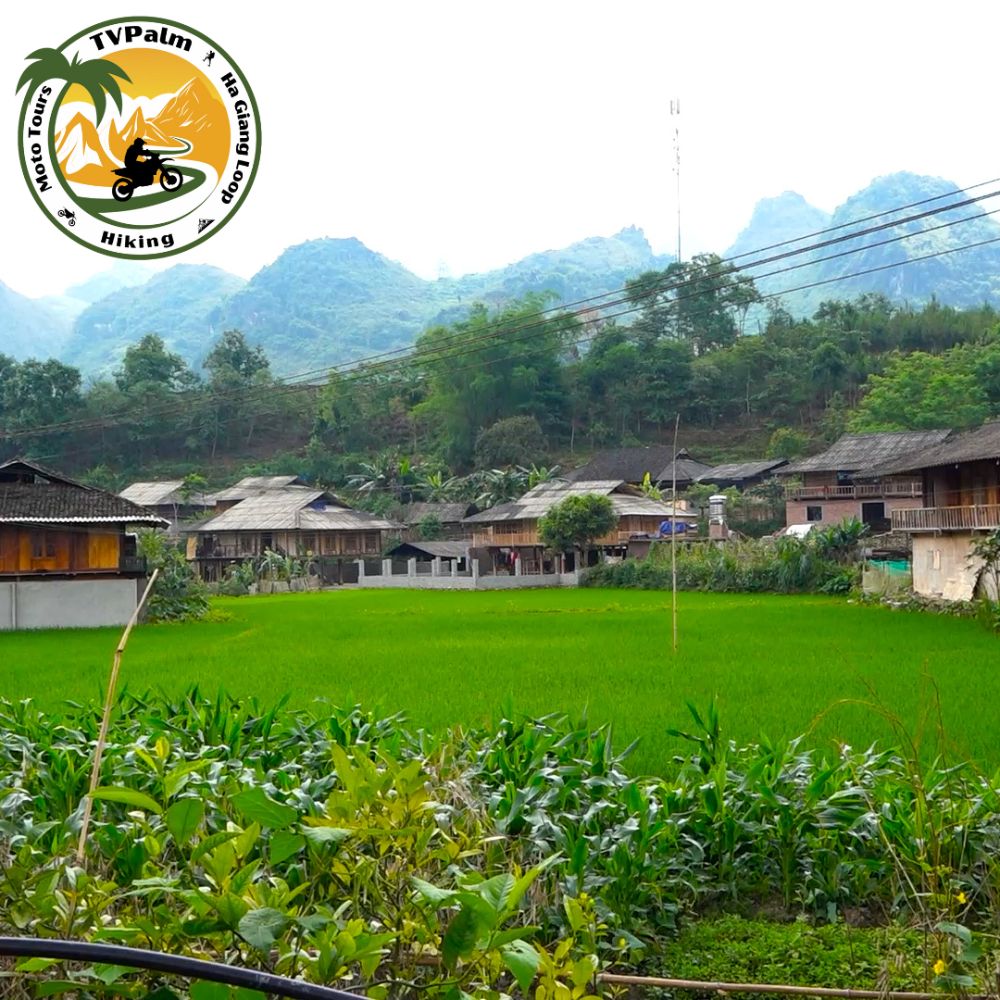
Du Gia National Park (Ha Giang): Plays a crucial role in connecting fragmented habitats, providing an additional safe haven for this endangered primate species. If your primary goal is simply to visit Du Gia village and explore the breathtaking beauty of Ha Giang, you can check out the Ha Giang Loop Tour 3 Days currently offered by TVPalm.
Ethical and Responsible Ways to Engage with Tonkin Snub-nosed Monkey Conservation
Supporting Conservation Organizations
One of the most impactful ways to help is by supporting organizations actively working on Tonkin snub-nosed monkey conservation.
- Fauna & Flora International (FFI) has been a leading force in Vietnam since 1993, with long-standing efforts in habitat protection, anti-poaching, and community engagement.
- The Denver Zoo is also a key partner, providing crucial conservation funding and raising global awareness.
- You can contribute by choosing to donate Tonkin snub-nosed monkey Vietnam funds or actively support Tonkin snub-nosed monkey conservation projects. These organizations are at the forefront of biodiversity conservation Southeast Asia.
Responsible Ecotourism in Northern Vietnam
Engaging in responsible ecotourism in northern Vietnam offers an ethical way to experience the region’s rich biodiversity. Ethical wildlife tours Ha Giang focus on broader wildlife viewing and cultural experiences, rather than specific, disruptive primate encounters. Such sustainable tourism Vietnam benefits local communities by providing alternative livelihoods and indirectly contributes to habitat protection by demonstrating the economic value of preserving natural environments.
Choosing operators committed to ecotourism guidelines ensures your travel supports conservation goals and respects the local ecosystem.
Guidelines for Ethical Wildlife Viewing and Travel
When traveling in areas near primate habitats, adhering to ethical wildlife viewing guidelines is crucial.
- Always maintain distance from any wild animals and minimize noise to avoid disturbance.
- Strictly no feeding of wildlife is permitted, as it can alter their natural behavior and diet.
- Practice Leave No Trace principles, including proper waste management practices, to keep the environment pristine.
- Respecting local culture and community-based conservation efforts is also vital, fostering positive relationships with those who live alongside these rare monkey species. Always report suspicious activities, such as poaching or illegal logging, to local authorities.
Your Role in Tonkin Snub-nosed Monkey Population Recovery Efforts
Understanding Conservation Challenges
Biodiversity conservation Southeast Asia faces numerous environmental protection Vietnam challenges, particularly concerning primate habitat protection. The survival of rare monkey species like the Tonkin snub-nosed monkey is intertwined with complex issues such as deforestation, climate change, and human-wildlife conflict.
Learning about these conservation challenges provides a broader context for why direct trekking is not advisable and why supporting ethical engagement is so critical. It emphasizes the importance of every effort in safeguarding these endangered primates Vietnam.
Community-Based Conservation: A Local Approach
Community-based conservation is a highly effective local approach to protecting the Tonkin snub-nosed monkey. This involves engaging local communities in Ha Giang and Tuyen Quang provinces in conservation efforts. By developing sustainable livelihoods, such as ecotourism, and employing former hunters as forest rangers, communities gain a direct stake in protecting their natural resources.
This fosters ownership and responsibility for conservation, ensuring that local people are empowered to be guardians of their environment. This model is crucial for the long-term success of primate conservation Asia.
Resources for Deeper Learning
For those interested in deeper learning about the Tonkin snub-nosed monkey and its conservation, numerous resources are available. Official conservation websites, such as those of Fauna & Flora International (FFI) and the Denver Zoo, offer extensive information on their projects and how to donate Tonkin snub-nosed monkey Vietnam.
Research papers and primatology studies provide scientific insights into the species’ biology and ecology. Learning about the IUCN Red List and endangered species recovery efforts helps to understand the global context of their plight and the strategies employed for their survival.
Frequently Asked Questions About Tonkin Snub-nosed Monkeys and Ecotourism
Can I volunteer directly with Tonkin snub-nosed monkeys in Vietnam?
Direct volunteer opportunities working hands-on with Tonkin snub-nosed monkeys are generally not available to the public due to their critically endangered status and the need to minimize human disturbance. Most volunteer roles are highly specialized for researchers or conservation professionals.
However, you can support Tonkin snub-nosed monkey volunteer opportunities indirectly by contributing to conservation organizations or participating in broader community-based ecotourism initiatives that benefit their habitat.
What is the best time of year to visit Ha Giang for general wildlife viewing?
The best time to visit Ha Giang for general wildlife viewing and responsible ecotourism in Vietnam is typically during the dry season, from October to April. During these months, the weather is generally more stable, with less rain, making trekking routes near Khau Ca Conservation Area Vietnam and other areas more accessible. This period also offers clearer views of the stunning landscapes, enhancing the overall experience of ethical wildlife tours Ha Giang.
How does tourism impact Tonkin snub-nosed monkeys?
Unregulated tourism can negatively impact Tonkin snub-nosed monkeys by causing disturbance, increasing stress, altering their natural behaviors, and potentially transmitting diseases. However, responsible ecotourism Vietnam primates, when managed ethically, can positively impact conservation. It provides sustainable livelihoods for local communities, fostering their involvement in protection efforts, and raises awareness about the species’ plight, contributing to primate habitat protection. Understanding the impact of tourism on Tonkin snub-nosed monkeys is crucial for sustainable travel.
What are the main threats to the Tonkin snub-nosed monkey?
The main threats to the Tonkin snub-nosed monkey include habitat loss and fragmentation due to logging, agricultural expansion, and infrastructure development. Poaching for bushmeat and traditional medicine also poses a significant danger. These factors contribute to their critically endangered status, making robust environmental protection Vietnam efforts and best conservation projects Tonkin snub-nosed monkey essential for their survival.