

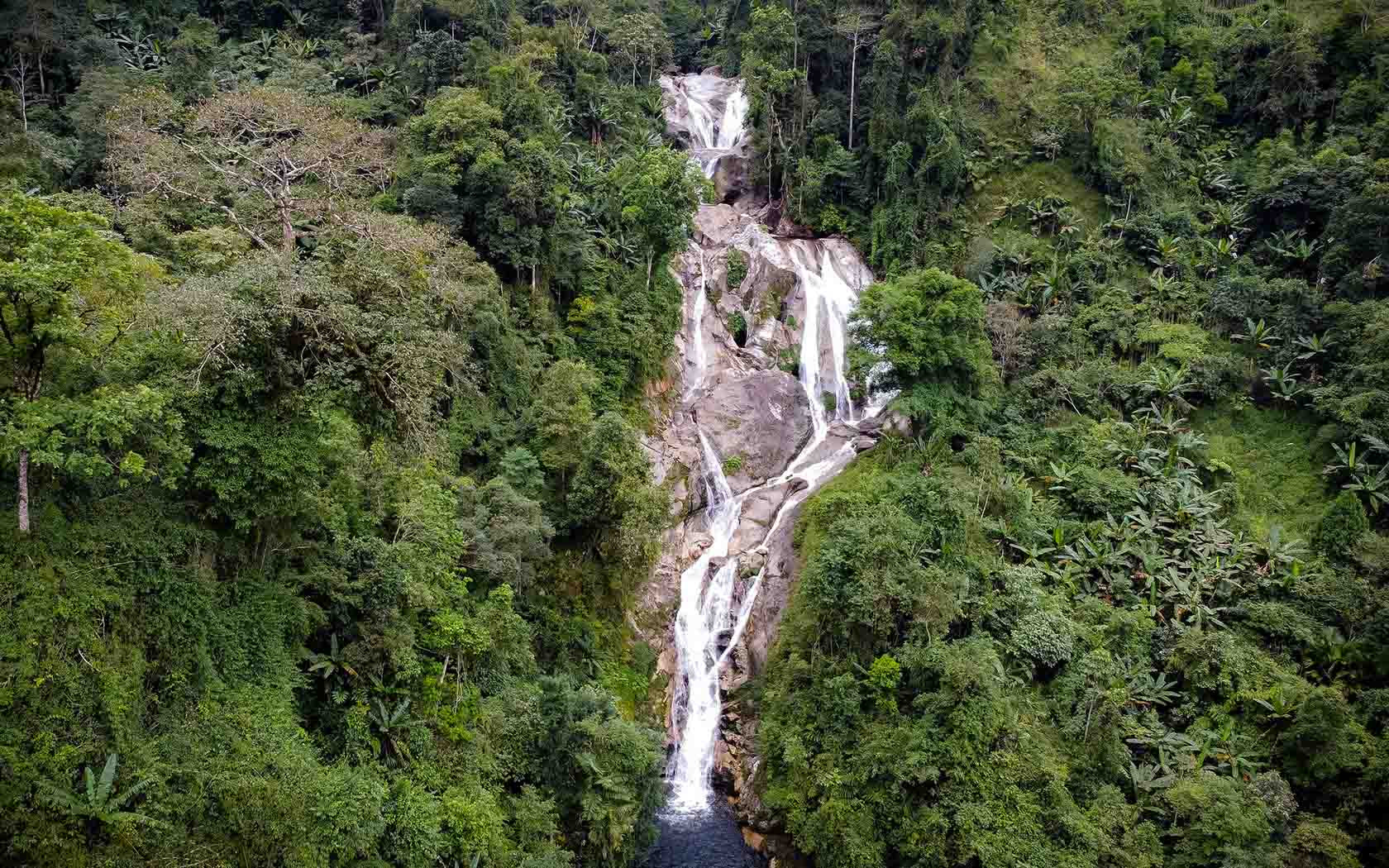
There are paths we know very well.
We have walked them to pick tea, gather bamboo shoots, find medicinal plants, check the water channels, walk alongside people from the village — or simply pass through long before we ever thought visitors would come here.
There are paths so beautiful that if we put them on a trekking itinerary, people would certainly love them.
Deeper forest.
Clearer streams.
Thicker mist.
Fewer human footprints.
And that is exactly why we do not take visitors there.
Not because those places are not beautiful.
But because they are too important to become a tourism product.
Watershed forests are not scenery
In Khuoi My and the Tay Con Linh area, forests are not simply places with trees.
Forests hold water.
They hold soil.
They hold moisture for the tea gardens.
They slow the streams after heavy rain.
They preserve old trails, small plants, the sounds of birds at dawn, the barely visible traces of wild animals.
For people from the lowlands, a watershed forest might be a geographical concept. For people living here, it is the water that flows into the kitchen, into the fields, into the garden, into the storage tanks, into daily life.
A forest like this cannot simply be viewed as a “tourist attraction”.
If a watershed forest is disturbed, the consequences do not appear immediately in a photograph. They appear more slowly: water cloudier after rain, paths more slippery, soil more prone to sliding, streams rising faster, young trees struggling to grow, wild animals moving further away — and local people living with those changes long after any visitor has gone.
Visitors come and go.
The village stays.
The forest stays too — or disappears.
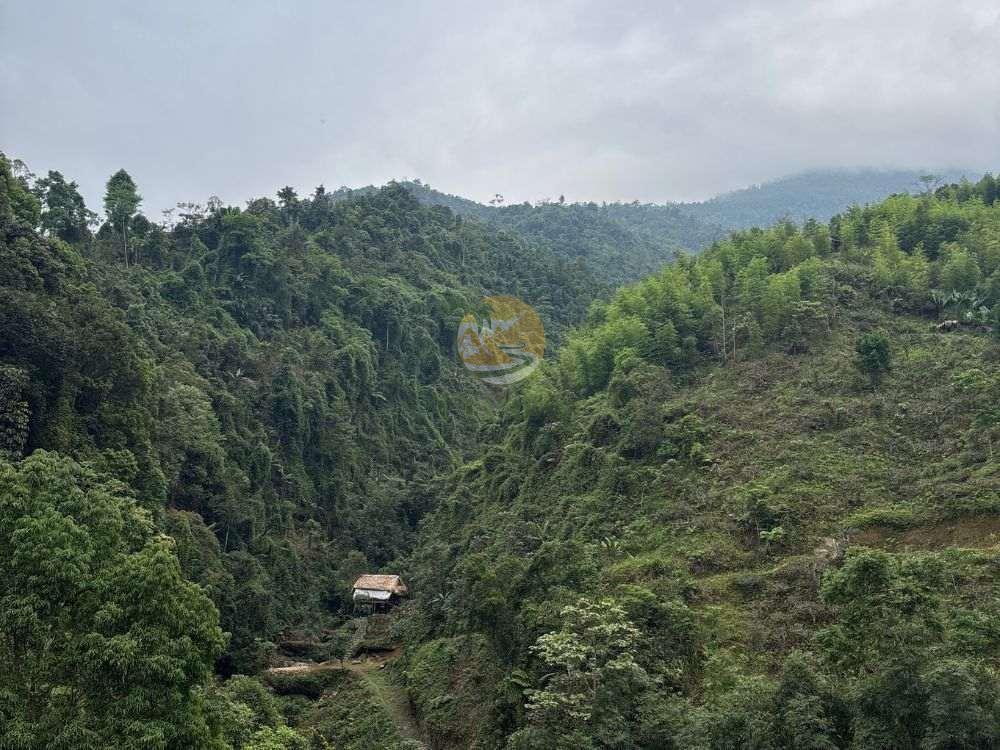
A trail is not only changed by the number of people who use it
Many people think a small group causes no real impact.
That is not always true.
A small group can still create new worn paths if it walks the same route often enough. A patch of soft ground can still be compacted. A shortcut can still become the main route. A beautiful rest spot can still attract more and more people. A beautiful photograph on social media can still draw further footprints that no one can control.
In the forest, impact does not lie only in one trip.
Impact lies in the habit that trip opens up.
That is why there are places we choose not to include on any itinerary, even though we know the way. There are sections we only walk when necessary — we do not turn them into experiences. There are areas whose exact location we do not publicize. There are routes we keep quiet about, not to hold them for ourselves, but because we do not want to turn the forest’s silence into an invitation.
Protecting nature does not begin by saying you love nature.
It begins by knowing when to stop.

Not every beautiful place needs to be opened
In tourism, there is a very dangerous habit: see a beautiful place, want to open a tour there.
But a place should not be developed simply because it can be sold.
Some places are beautiful because few people go there.
Some streams are clear because they have not become a swimming spot.
Some hillside forests remain intact because they have not been put on the map.
Some birdsong is still close because people have not appeared too often.
If everything still wild is converted into a product, in the end we will only be left with packaged experiences made from exactly what we destroyed.
We do not want to go down that road.
We do not believe a responsible tourism business is one that opens the most routes. We believe responsibility sometimes lies in the routes not opened, the invitations not extended, the beautiful places not posted, and the revenue opportunities declined before they become habit.
That is not easy.
Especially when visitors ask.
Especially when the market loves words like “hidden”, “secret”, “untouched”.
Especially when a beautiful path could become a selling advantage.
But if we do not set limits for ourselves, we have no right to speak about sustainable tourism.
The forest does not need us to loudly protect it
Some acts of forest protection do not make for beautiful images.
No ribbon-cutting ceremony.
No glowing post.
No moment dramatic enough to become an advertisement.
Just: not taking visitors down a sensitive route. Not opening another path. Not announcing a location. Not accepting a group too large. Not going into the forest after heavy rain. Not forcing a schedule through when conditions no longer allow it. Not turning a visitor’s curiosity into pressure on a place already fragile.
These things are very hard to see.
But sometimes the value of conservation lies precisely in what did not happen.
A path not widened.
A patch of forest not trampled.
A stream not turned into a check-in spot.
A quiet place that remains quiet.
A bird that returns to where it always perched.
A local person who still has clean water after the rainy season.
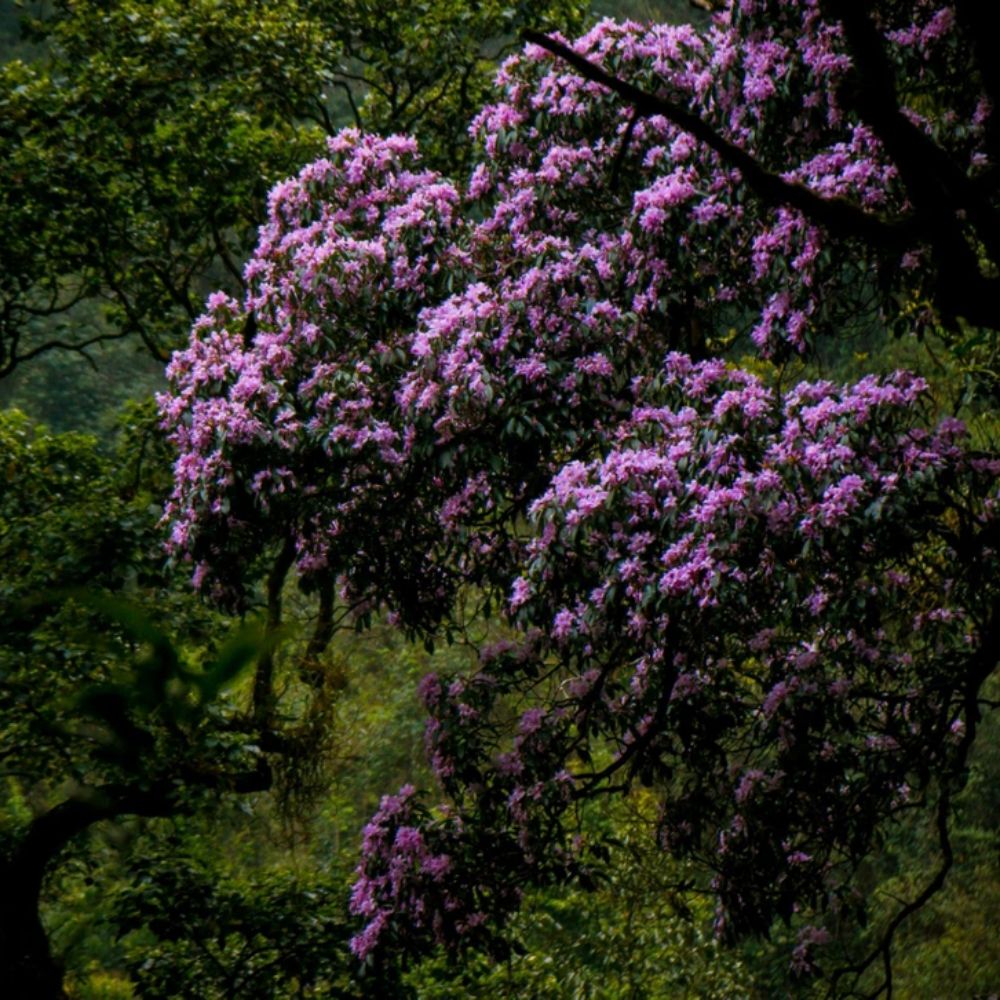
What We Can Do
We can design better-suited routes, avoid sensitive areas, keep groups smaller, train local guides to know the forest more deeply, and explain to visitors why certain places are not on the itinerary.
We can choose to tell stories more honestly: not calling every trail a “discovery”, not turning every stretch of forest into an “experience”, not using wild nature as a sales promise.
We can work with local communities to build clear principles: which seasons to go, which to stop; which routes can receive visitors, which are reserved for community use; which areas need quiet; which behaviors are not accepted in the forest.
We can help visitors understand that a responsible trip is not the one that sees the most, goes the deepest, or produces the most photographs.
Sometimes, a proper trip is one that knows when to stop before crossing a boundary that nature cannot put into words.
What We Will Not Do
We will not open a route simply because it is beautiful.
We will not take visitors into watershed forests if their presence could add pressure on water, soil, wildlife, or village life.
We will not publicize sensitive locations to attract curiosity.
We will not call a place “pristine” and then help make it no longer so.
We will not turn the forest into a stage for experience.
And we will not see declining a route as a business failure.
For us, it is part of the work.
Some paths are best left off the map
One day, if we return to Khuoi My twenty years from now and the watershed forest is still intact, perhaps no one will remember that there were paths we deliberately chose not to open.
That is fine.
Not everything of value needs to be seen.
Not every right choice needs to be told.
And not every forest path should carry human footsteps.
For some places, the best way to be present in nature is to walk around the edge.
For some forests, the deepest form of respect is not to turn them into a destination.
This is what we are still learning.
Slowly.
Imperfectly.
But seriously.


