

Why the Tonkin snub-nosed monkey reminds us that responsible tourism begins with knowing when to stop.
Some trips to Ha Giang should not begin with the question: “Are we sure we’ll see them?”
With the Tonkin snub-nosed monkey, the right question is different: “Do we have enough respect to enter their habitat without disturbing them?”
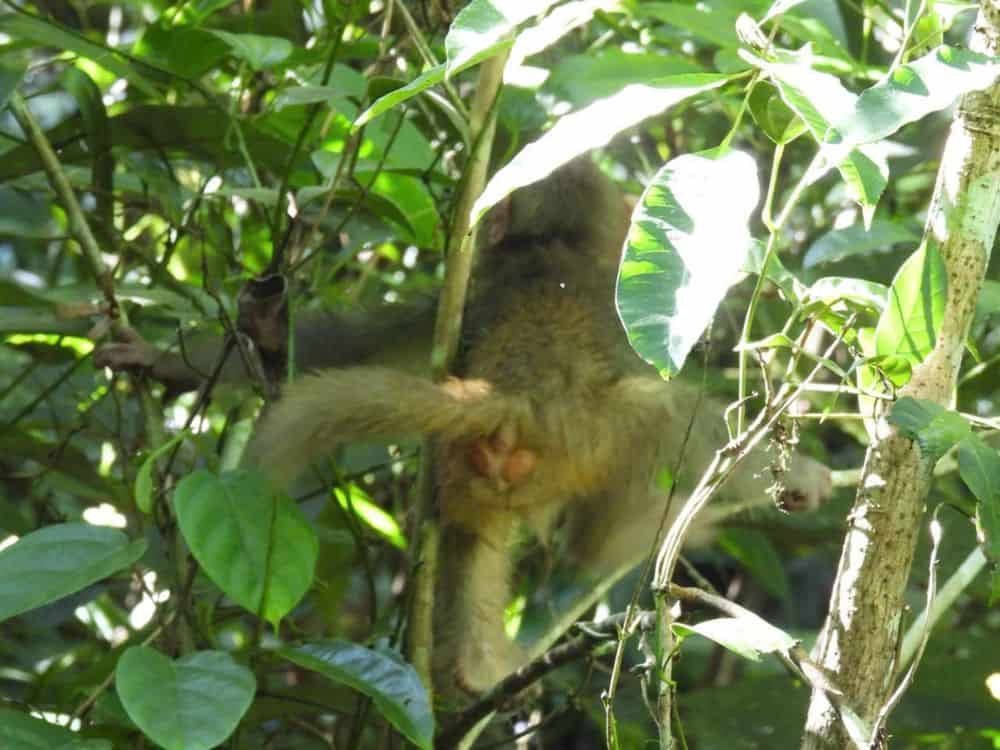
Tung Ba, Khau Ca, Du Gia, Quan Ba — to many visitors, these are just place names on a map of Northeast Vietnam. But to conservationists, forest rangers and local communities, they are part of the survival story of one of the world’s rarest primates: the Tonkin snub-nosed monkey.
This species exists in very few places. It is not a tourist symbol staged for photographs. It is endemic to Vietnam, living in the remaining limestone and evergreen forest patches of the northern highlands. Each surviving individual is not just a wild animal. It is proof that the forest still has enough strength to hold life.
A very rare species, in a very fragile forest
The Tonkin snub-nosed monkey once stood at the edge of extinction. In conservation literature, this species is listed among the most critically endangered primates. The remaining populations are small, scattered, and depend almost entirely on forest quality.
Khau Ca — now part of Du Gia National Park, within the Dong Van Karst Plateau — is known to hold the most significant population of Tonkin snub-nosed monkeys today. This area connects with localities such as Tung Ba, Minh Son and Du Gia. In recent years, regular surveys by forest rangers and international conservation organizations confirm that the population here is still present, still reproducing, and still at the center of major protection efforts.
But that does not mean the species is safe.
A wild population can grow in numbers over a period of time. But if forests are fragmented, if habitat shrinks, if pressure from agriculture, logging, hunting, noise and uncontrolled human presence increases — the future of the species remains very fragile.
That is something we need to say plainly to every visitor.
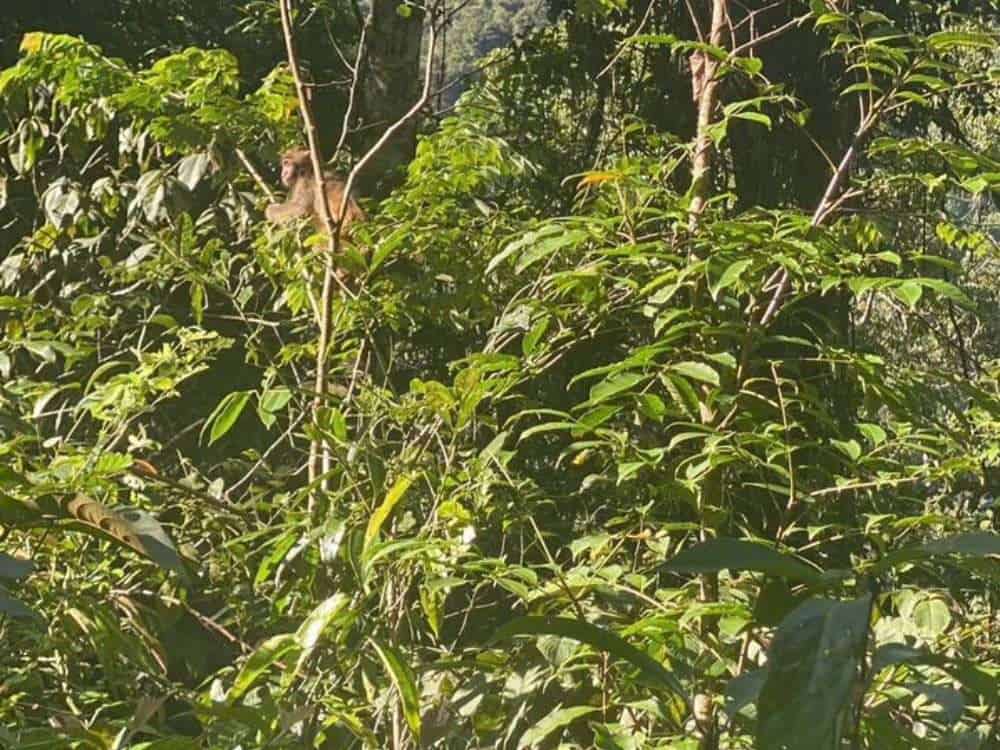
Conservation is not a one-sided beautiful story
Many people prefer to tell conservation stories through beautiful images: a troop of monkeys on a cliff face, mist drifting through forest, rangers on patrol, children drawing pictures of wildlife.
Those images are real.
But behind them is much quieter work: patrolling forests, recording traces, monitoring populations, preventing habitat encroachment, working with communities, reducing livelihood pressure on the forest, explaining again and again why a wild animal cannot be treated as a resource to exploit at will.
Conservation is not just loving nature. Conservation is managing limits.
Some routes should not be opened. Some seasons should not bring visitors in. Some observation points should not be widely publicized. Some photographs are not worth the panic they cause a primate troop.
With the Tonkin snub-nosed monkey, if tourism only chases the “sighting” moment, it can become a new pressure on the very species we say we want to protect.
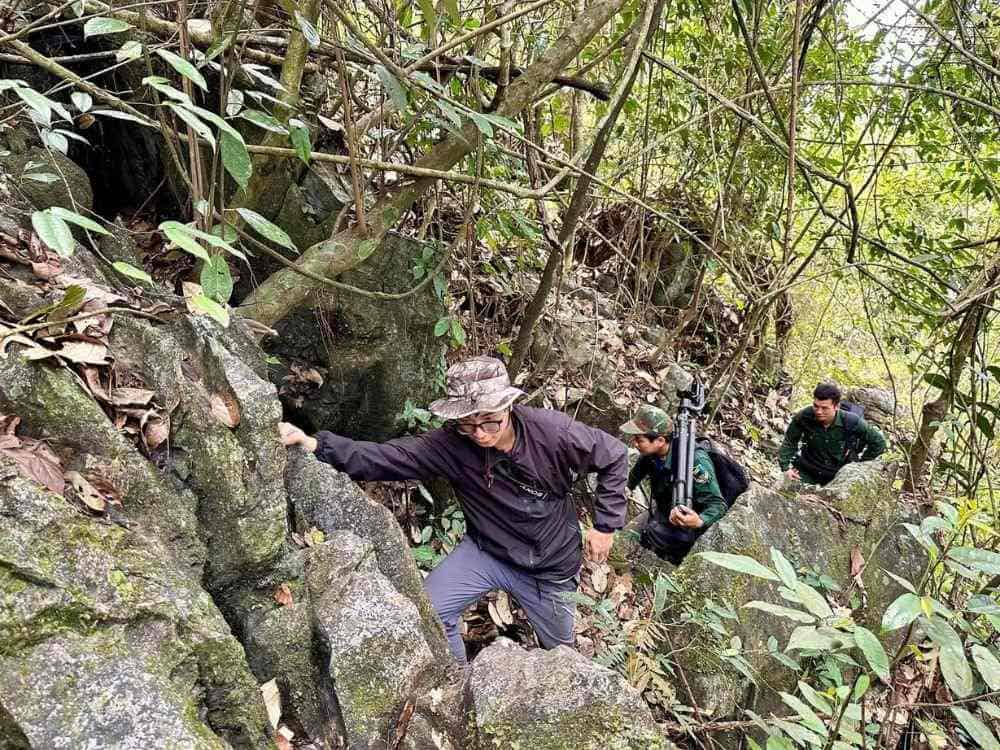
What We Can Do
We are not forest rangers. We are not a primate research organization. We have no right to define protection zones ourselves, open routes into core forest areas, or turn a critically endangered species into a commercial product.
What we can do — and should do — when building a wildlife experience is something else: bring visitors closer to understanding, not closer to the animal at any cost.
If we ever organize an experience involving the Tonkin snub-nosed monkey, conservation must come before the product. The trip must be small, slow, controlled — with appropriate local guides, following area regulations, no entering restricted zones, no call playback, no food, no chasing, no approaching too close, and no guaranteed sighting.
A proper trip can end without seeing any monkeys.
But visitors must still leave with something more important: an understanding of why not seeing them is also part of the ethics of entering wild nature.
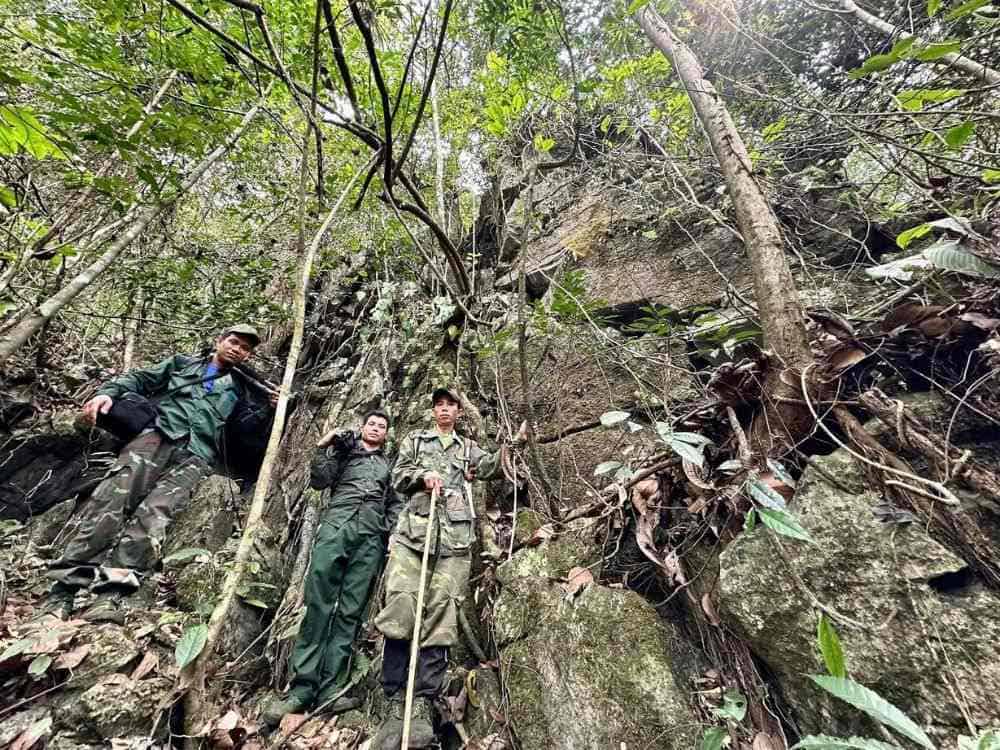
What We Will Not Do
We will not sell the Tonkin snub-nosed monkey as a check-in spot.
We will not promise a guaranteed sighting.
We will not bring visitors into areas where their presence could increase risk to the species or put pressure on rangers and communities.
We will not use images, words, or location information in ways that lead people to seek out sensitive areas without proper guidance.
We will not turn the conservation story into a green coat of paint over an unprincipled tourism product.
A proper experience must begin with humility
In Ha Giang, there are places where people should not think of themselves as the center of things.
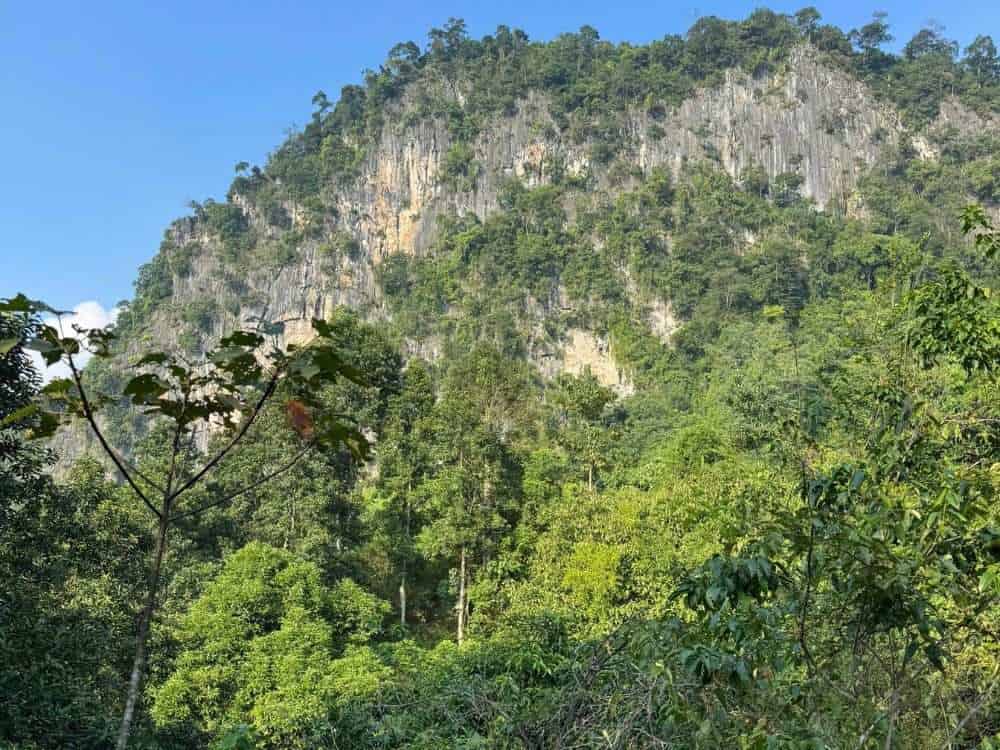
Khau Ca forest does not exist to serve a good photograph. Tung Ba is not just a destination. Du Gia is not just a name on an itinerary. These forests are the last habitat of a primate species that Vietnam has a responsibility to preserve for the world.
If there is ever a Tonkin snub-nosed monkey experience in what we do, it must be built as a lesson in limits: the limits of tourism, the limits of curiosity, the limits of humans entering the living space of another species.
Perhaps one morning, from a distance, through the forest canopy, a visitor will catch a very slight movement on the rock face.
Perhaps not.
But if, after the trip, they understand that a rare species can only survive when people know when to step back — then that trip has had its value.


