

Direct public trekking to observe the Tonkin snub-nosed monkey is generally not available or recommended due to the species’ critically endangered status and the extreme challenges of their remote, rugged habitat. This article aims to clarify the realities of such an endeavor, guide you toward responsible engagement with Vietnam’s unique wildlife, and highlight how your interest can genuinely contribute to conservation efforts.
As Nguyen Trung, CEO of TVPalm, with over two decades of experience in sustainable tourism in Northern Vietnam, I am here to share insights on how we can best support the conservation of these magnificent primates while respecting their fragile existence.
Understanding the Tonkin Snub-Nosed Monkey: A Critically Endangered Primate
What Makes the Tonkin Snub-Nosed Monkey Unique?
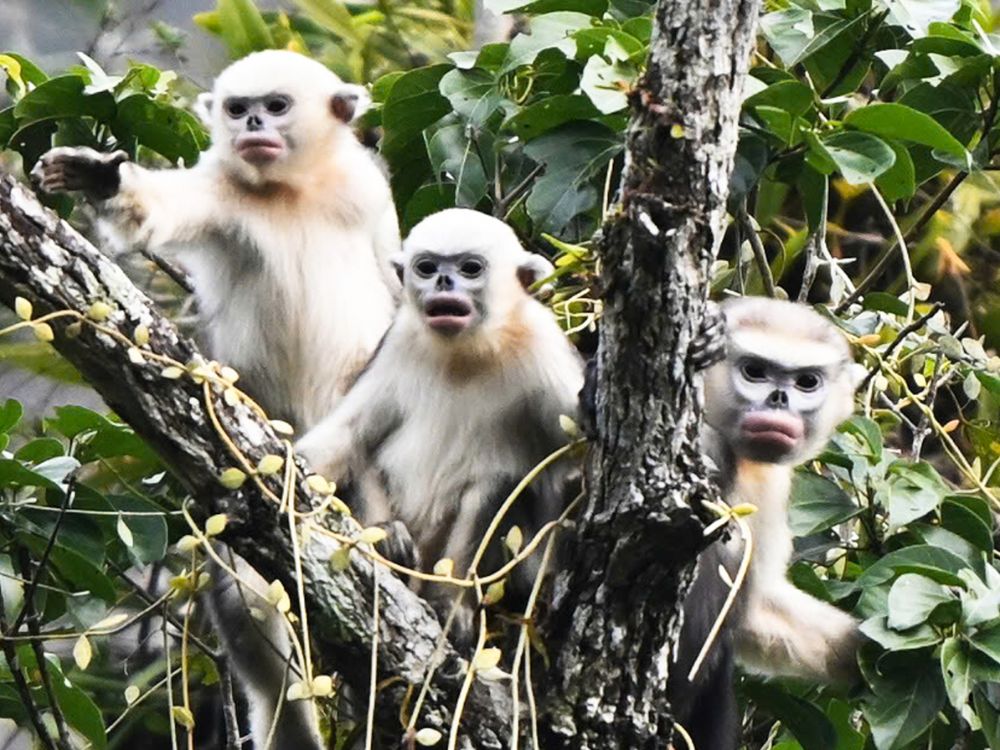
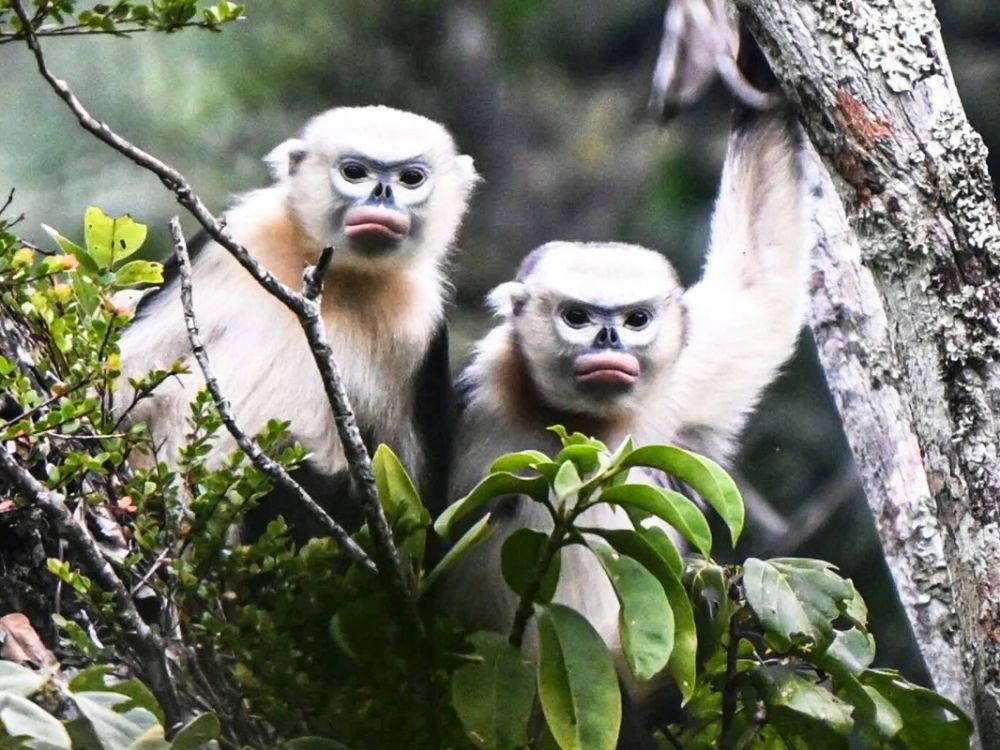
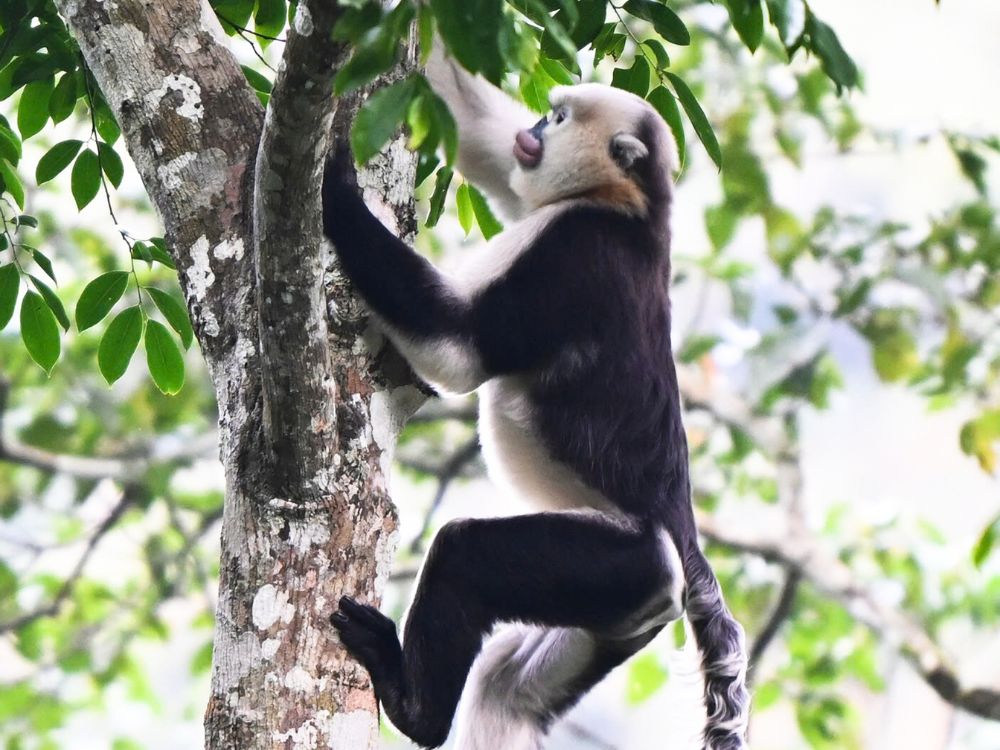
The Tonkin snub-nosed monkey, scientifically known as Rhinopithecus avunculus or Dollman’s snub-nosed monkey, is a distinctive primate found only in Vietnam. These arboreal primates possess a slender body, striking black and white fur, a flattened pink upturned nose, and thickened pink lips. Distinctive blue patches around their eyes further set them apart.
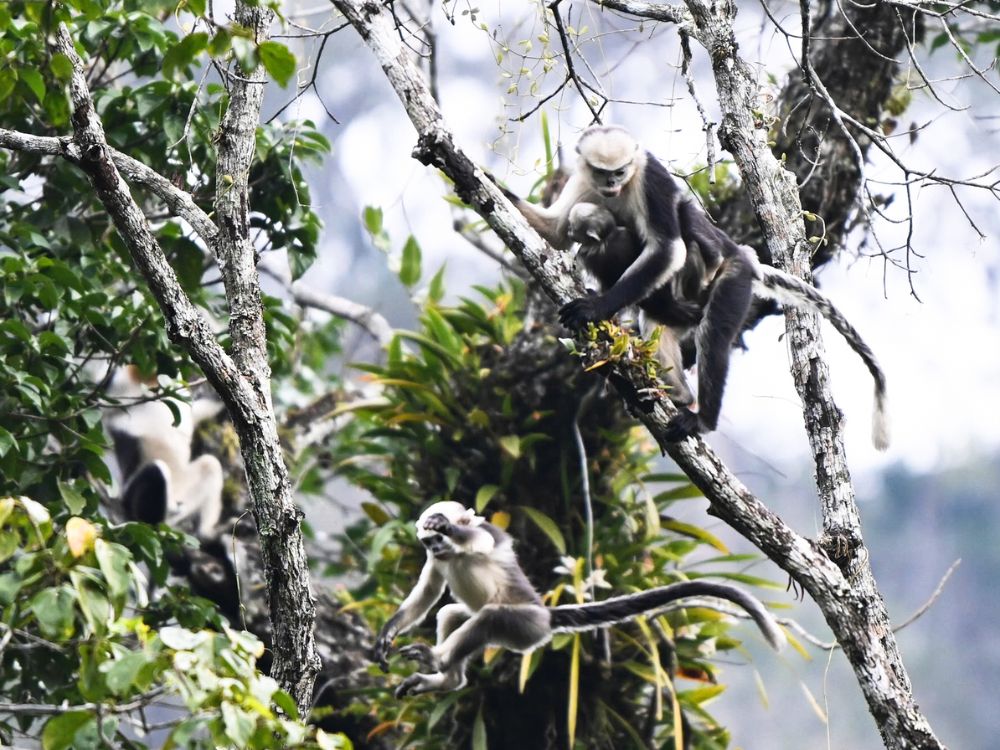
Males are significantly larger, weighing around 31 lbs (14 kg), while females average 19 lbs (8.5 kg), making them the largest primates in Vietnam but the smallest within their genus, Rhinopithecus. They are diurnal, active during the day, and typically live in groups of 12-30 individuals, primarily feeding on leaves, fruits, flowers, and seeds.
Where Do They Live? Habitat and Distribution in Northern Vietnam
Tonkin snub-nosed monkeys live exclusively in the tropical evergreen forests nestled within the unique karst limestone hills and mountains of Northern Vietnam. This specific habitat features caves, underground streams, sinkholes, and large rock formations, providing a complex environment.
They are found at elevations ranging from 650 to 4,600 feet (200 and 1,400 m) above sea level. Their current distribution is restricted and fragmented, with confirmed populations primarily in Ha Giang Province and Tuyen Quang Province. Key protected areas include the Khau Ca Species and Habitat Conservation Area, located within Du Gia National Park, and the Na Hang Nature Reserve. Khau Ca is particularly vital, considered a stronghold that houses the largest known population of this critically endangered primate Vietnam.
Why Are They So Rare? Conservation Status and Population Statistics
The Tonkin snub-nosed monkey is critically endangered, listed on the IUCN Red List of Threatened Species, making its plight a global concern. It also receives international protection under Appendix I of CITES, which strictly prohibits international trade. The global population is estimated to be fewer than 250 individuals, highlighting its extreme rarity. This population has faced a severe decline, with a 30% drop in the last generation and an alarming 80% decline over three generations.
However, there is a glimmer of hope for Tonkin snub-nosed monkey conservation. Recent efforts have led to a population uptick in Khau Ca, increasing from an estimated 50-60 individuals in 2002 to approximately 160 in 2022-2026, now accounting for about 80% of the global population.
The Threats They Face: Habitat Loss and Hunting
The primary threats jeopardizing the survival of the Tonkin snub-nosed monkey are significant habitat loss and degradation, alongside unsustainable hunting. Habitat loss stems from legal and illegal logging, gold mining operations, hydroelectric development, and the cultivation of black cardamom.
While not clear-cutting, cardamom cultivation involves shade lopping and thinning of the forest canopy, negatively impacting the arboreal primates’ pathways. Hunting also poses a severe threat; these monkeys are targeted opportunistically or specifically for traditional medicine, resulting in high pressure in many areas of their habitat. Understanding Tonkin snub-nosed monkey plight reveals the urgent need for comprehensive conservation efforts.
The Reality of Tonkin Snub-Nosed Monkey Trekking: Is it Possible for Tourists?
The Inherent Difficulty of Their Habitat
The Tonkin snub-nosed monkey’s habitat presents extreme challenges, making direct observation incredibly difficult. Their home is in remote, craggy karst limestone areas with steep mountains, characterized by sharp rocks and often slippery surfaces. These access challenges are inherent to the terrain, proving difficult and demanding even for experienced researchers and dedicated conservationists.
Environmental factors further complicate any trek, including potential for extreme weather, dense jungle, and the presence of insects and leeches, which are common Vietnam jungle trekking challenges. Physical fitness required for Vietnam jungle trekking in these regions is exceptionally high, and even then, navigating this environment is a formidable task.
Legal and Ethical Restrictions on Access
Direct public trekking tours to observe the Tonkin snub-nosed monkey are generally not available or recommended for tourists. This species is totally protected under Vietnamese law and international agreements due to its critically endangered status. Strict conservation protocols are in place to safeguard these rare primates.
The monkeys themselves are known to be shy and elusive, often fleeing shortly after spotting humans, making sightings extremely rare. Special permits are typically required for research purposes, not for general tourism, underscoring the Tonkin snub-nosed monkey habitat access restrictions. This strict approach prioritizes the species’ survival over human interaction.
Why Direct Encounters Are Not Encouraged
Direct encounters with Tonkin snub-nosed monkeys are not encouraged because minimizing impact is paramount for their well-being and survival. Human presence can cause significant stress and alter their natural behaviors, which is detrimental to a critically endangered species. Conservation efforts are intensely focused on protection, monitoring, and habitat restoration, rather than developing tourism that could potentially harm the species.
The priority is to ensure the long-term survival of these primates, meaning any activity that could disturb them is carefully restricted. This approach is central to ethical primate tours Vietnam and responsible wildlife tourism principles.
Responsible Wildlife Tourism in Vietnam: Supporting Conservation Ethically
Understanding Responsible Wildlife Tourism Principles
Responsible wildlife tourism in Vietnam focuses on minimizing environmental footprint, ensuring visitors leave no trace and respect natural habitats. It also emphasizes supporting local communities by engaging with ethical operators and contributing to local economies. Most importantly, it means respecting wildlife by maintaining distance, never feeding animals, and avoiding any form of disturbance.
Ethical primate tours Vietnam prioritize education and indirect support for conservation, rather than direct, potentially harmful encounters. This approach ensures that tourism benefits both people and wildlife, promoting sustainable practices across Northern Vietnam biodiversity.
How to Support Tonkin Snub-Nosed Monkey Conservation
Supporting Tonkin snub-nosed monkey conservation is crucial, even without direct trekking. You can donate to legitimate conservation organizations like Fauna & Flora International (FFI), which are actively working on the ground. Volunteering with FFI or similar organizations, if opportunities arise, allows for direct engagement in conservation efforts. Raising awareness about the species and its plight is also vital, helping to educate others.
Furthermore, advocating for policies that strengthen primate protection in Vietnam can create lasting positive change. These actions directly contribute to the survival of this critically endangered primate.
Ethical Alternatives to Direct Trekking
For those passionate about wildlife, ethical alternatives to direct trekking offer meaningful engagement. Learning and education are key; you can visit educational centers, watch documentaries, or read scientific publications about Rhinopithecus avunculus. Supporting conservation areas is another impactful way.
Visiting protected areas like Du Gia-Dong Van Plateau National Park or Na Hang Nature Reserve with ethical wildlife travel operators, such as TVPalm, can indirectly benefit local communities and conservation efforts. These visits do not directly seek out the monkeys but contribute to the broader ecosystem. Wildlife photography Vietnam can also be pursued responsibly, focusing on broader biodiversity with the understanding that specific primate sightings are not guaranteed.
The Role of Conservation Organizations (FFI, IUCN Red List)
Conservation organizations play a crucial role in protecting the Tonkin snub-nosed monkey. Fauna & Flora International (FFI) is particularly instrumental, monitoring populations, supporting community patrol groups, and implementing vital conservation education programs. Their community engagement initiatives work with local communities to develop alternative livelihoods, reducing pressure on the monkeys’ habitat.
FFI also contributes to policy development, collaborating with regional and national government agencies to create conservation action plans. The IUCN Red List serves as the global standard for assessing conservation status, highlighting the critically endangered status of the Tonkin snub-nosed monkey and guiding international protection efforts.
Frequently Asked Questions About Tonkin Snub-Nosed Monkeys and Conservation
Can I visit Du Gia without going into the forest to look for monkeys?
Absolutely. You can choose to visit Du Gia village through regional cultural and scenic tours. A great option is to join a ha giang loop tour 3 days, which will take you to visit the peaceful Du Gia village, experience the local daily life, and admire the majestic natural landscapes without having to undertake strenuous trekking deep into the core forest areas to look for the monkeys.
What are the main challenges of Tonkin snub-nosed monkey observation for researchers?
The main challenges for researchers observing Tonkin snub-nosed monkeys include the remote and difficult karst limestone terrain, the monkeys’ shy and elusive nature, their arboreal lifestyle, and the critical need to minimize disturbance to this vulnerable species.
Can I volunteer to help protect Tonkin snub-nosed monkeys?
While direct volunteering with the monkeys is highly restricted due to their critically endangered status, you can often volunteer with conservation organizations like Fauna & Flora International (FFI) that support their protection through various programs and initiatives.
What is the scientific name for the Tonkin snub-nosed monkey?
The scientific name for the Tonkin snub-nosed monkey is Rhinopithecus avunculus.
How does TVPalm contribute to sustainable tourism in Northern Vietnam?
TVPalm, a pioneer in sustainable travel, contributes to Northern Vietnam’s sustainable tourism by offering exclusive, responsible tours like Tay Con Linh trekking and private Ha Giang loops. These tours are specifically designed to support local communities and promote conservation awareness without impacting critically endangered species.