

Thang Co is a 200-year-old cultural heritage of the Hmong people. Its strong aroma and unique ingredients often make travelers hesitant. However, if you know how to enjoy it, this dish is the key to the soul of the Karst Plateau.
I am Nguyen Van Trung, CEO of TVpalm. I have over 10 years of experience leading trekking tours in Tay Con Linh and private trips in Ha Giang. I wrote this guide based on hundreds of meals shared with local people. My goal is to help you find the cleanest, most authentic, and most reliable places to eat.
Understanding Thang Co: A 200-year-old Hmong legacy
The traditional ingredients: Horse meat and the philosophy of no waste
Authentic Thang Co uses horse meat as the primary ingredient. The Hmong people practice a “no waste” philosophy. They use every part of the animal, including the meat, bones, and organs.
This approach shows deep respect for the animal. Simmering these parts together creates a nutrient-dense and hearty broth.
The secret of 12 mountain spices and the essential Thang Co herb
The complex flavor comes from 12 specific mountain spices. These include cardamom, star anise, cinnamon, and lemongrass. The most critical ingredient is a local plant called the “Thang Co herb.”
This herb grows only in high-altitude regions. It provides the signature aroma that defines the dish.
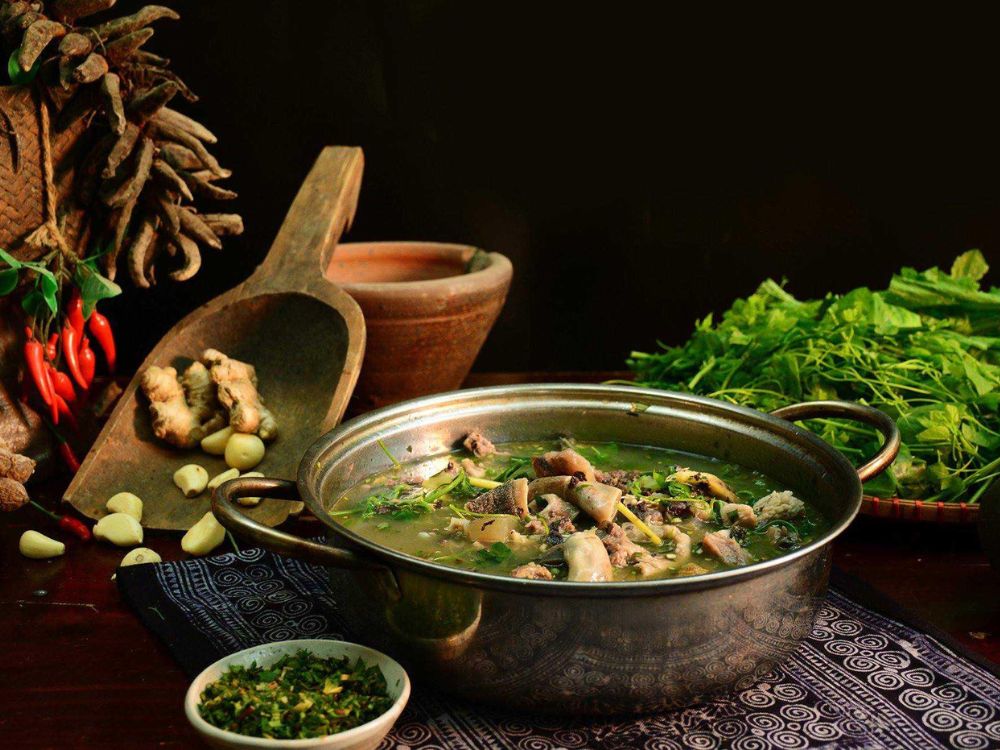
Why this dish is the centerpiece of highland social life
Thang Co is a social ritual. You will see large cast-iron pans bubbling at every Sunday market. People gather around these pans to share news and stories. They often enjoy the stew with local corn wine. It is a time for the community to connect after a week of hard work on the rocky slopes.
What does Thang Co actually taste like
Navigating the initial bitterness and earthy aroma
The first thing you will notice is the smell. It is earthy, pungent, and very strong. The first sip often tastes bitter. This bitterness comes from the organs and the specific blend of mountain herbs. It reminds many people of strong, traditional herbal medicine.
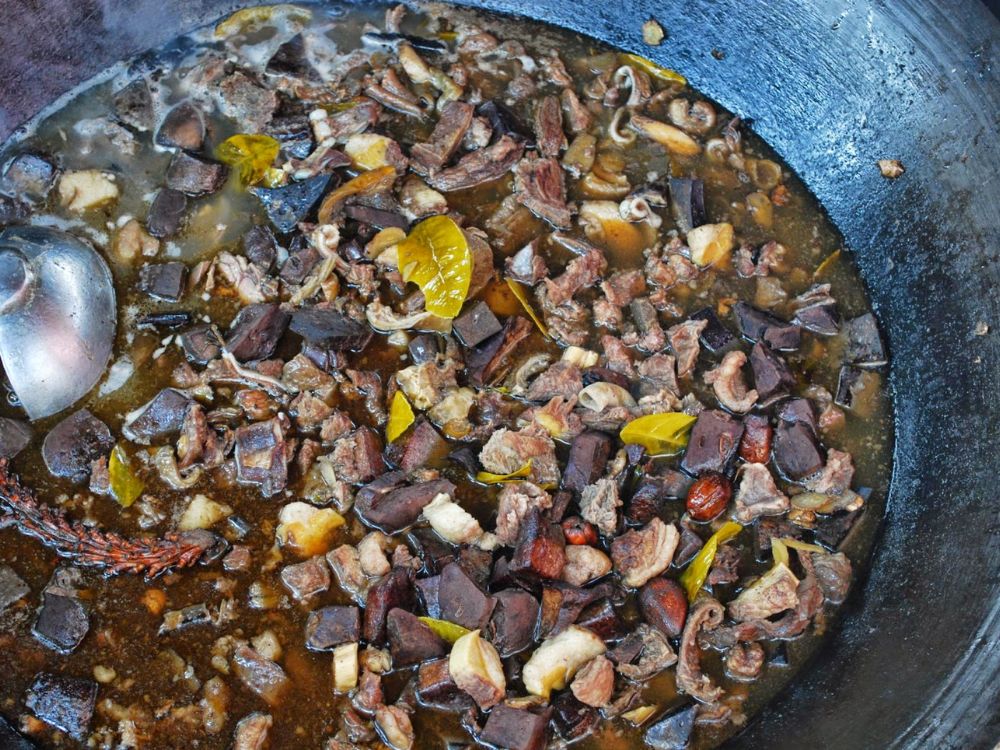
The surprising sweetness of the slow-cooked broth
Do not stop after the first bite. The initial bitterness fades quickly. A natural sweetness follows it. This sweetness comes from simmering bones and marrow for 3 to 5 hours. The broth is rich, oily, and deeply savory. It warms your body instantly in the cold mountain air.
Comparing horse meat with beef and buffalo variations
Horse meat is the traditional choice with a gamey and distinct flavor. However, many vendors now offer beef or buffalo versions. Beef is the mildest option and is easier for beginners to enjoy. Buffalo meat is richer than beef but less intense than horse.
I recommend asking the vendor “Ngựa hay Bò?” (Horse or Beef?) to know exactly what you are eating.
Where to eat Thang Co in Ha Giang for an authentic experience
Dong Van Sunday market: The most iconic communal pot
The Dong Van Sunday market is the most famous location for this dish. It starts at 6:00 AM every Sunday morning. You will find 10 to 15 large smoking pans in the food section. A bowl here costs about 50,000 VND. This is the best place to see the Hmong community gather in their colorful traditional clothes.

Meo Vac market: A raw and less touristy alternative for the brave
Meo Vac market is larger and feels more authentic than Dong Van. It also happens every Sunday. The atmosphere is loud, busy, and filled with the scent of woodsmoke.
You will see 4 types of meat stew here: horse, beef, buffalo, and pork. It is a raw experience that offers a deep look into highland life.
Roadside eateries on the Ha Giang Loop: How to spot a quality stall
You can find Thang Co at small stalls along the road. Use 2 simple rules to pick a good one. First, look for a stall with many local motorbikes parked outside. High turnover means the food is fresh.
Second, ensure the pot is steaming hot. Avoid any stall where the stew looks cold or has been sitting for hours.
How to eat Thang Co like a local
Pairing the stew with Men Men and fresh mountain greens
You should always eat Thang Co with Men Men. Men Men is steamed ground corn and serves as the “bread” of the highlands. Its dry texture balances the oily broth of the stew. You should also add 3 types of fresh greens: mustard leaves, mint, and coriander. These herbs provide a refreshing contrast to the rich meat.
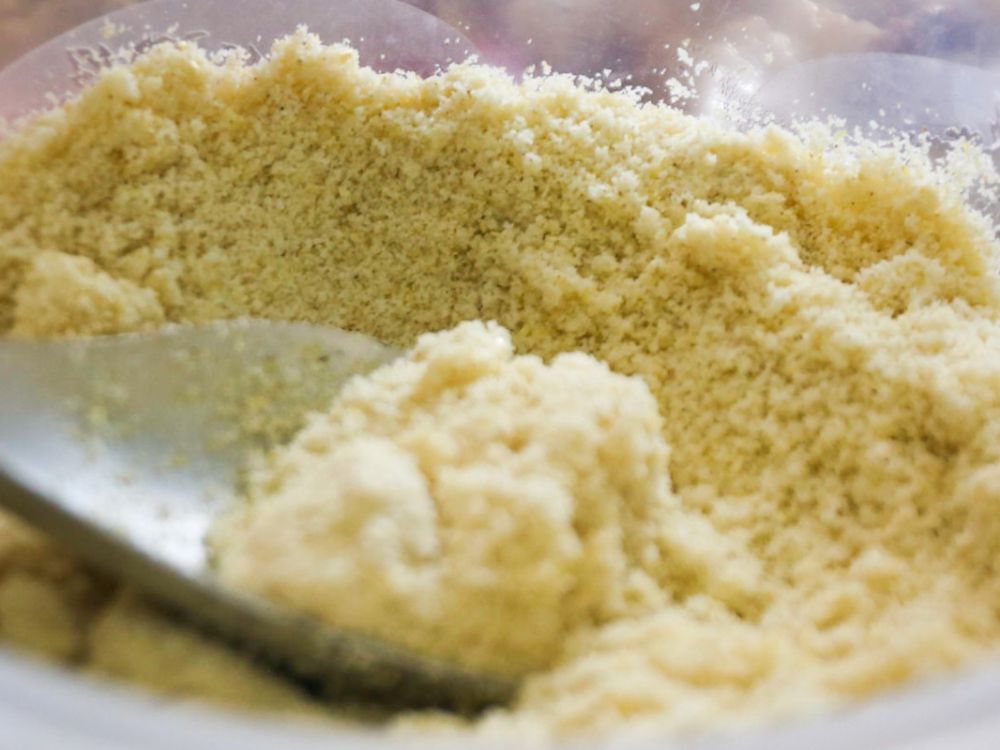
The role of corn wine in the traditional social ritual
A meal is not complete without “Ruou Ngo” or corn wine. Locals drink this clear, strong spirit to warm their bodies. It also helps your stomach digest the heavy fats in the horse meat.
At TVPalm, we suggest taking small sips. The combination of hot stew and cold wine creates a unique mountain sensation.
Creating the perfect dipping sauce with Muong Khuong chili
The meat tastes better with a proper dipping sauce. Mix a small spoonful of salt with a squeeze of lime. The most important part is Muong Khuong chili. This chili is very spicy and has a distinct forest aroma. Dip a piece of tender horse meat into this sauce to experience a burst of heat and saltiness.
Essential tips for a safe and respectful meal
The smell test: How to identify a well-cleaned and fresh pot
A fresh pot smells like mountain herbs and rich meat. The aroma should feel earthy and deep. If the smell is sour or reminds you of waste, do not eat there. This usually means the vendor did not clean the organs properly.
At TVPalm, we prioritize hygiene, so we only visit stalls with a clean and pleasant scent.
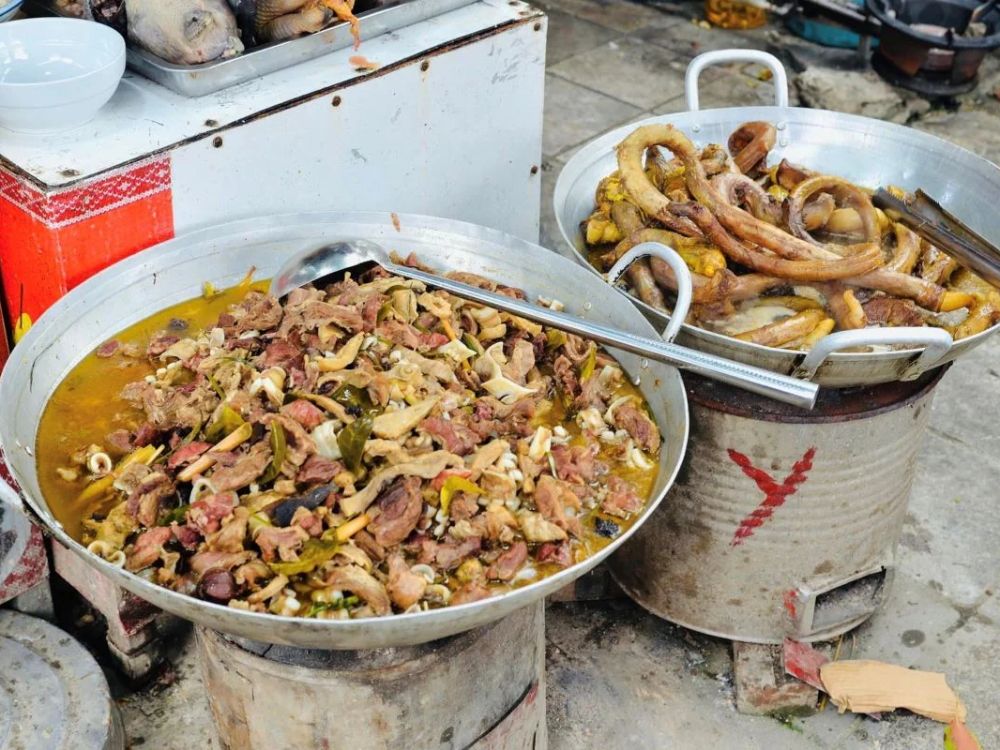
Distinguishing between horse and beef: Useful Vietnamese phrases for ordering
You should know 2 simple words to identify the meat. “Ngựa” means horse and “Bò” means beef. You can ask the vendor: “Đây là thịt ngựa phải không?” (Is this horse meat?). Most locals will appreciate your interest in their traditional recipe. This helps you confirm if you are eating the original version or a milder substitute.
Health and allergy considerations for international travelers
This stew contains high amounts of fat and internal organs like liver and lungs. It is not suitable for vegetarians or people with sensitive stomachs. The 12 mountain spices are natural, but they are very strong. If you have a history of food allergies, try a small spoonful first to see how your body reacts.
Frequently asked questions about eating Thang Co
Is Thang Co safe for western stomachs
Yes, it is generally safe if you choose the right place. The cooking process involves boiling the meat for 3 to 5 hours, which kills most bacteria. Always eat at busy stalls where the food moves quickly. TVPalm recommends drinking plenty of water and avoiding raw vegetables if your stomach is sensitive.
What is the best time of day to eat Thang Co at the markets
The best time is between 7:00 AM and 10:00 AM on Sunday mornings. During these 3 hours, the broth is fresh and the meat is perfectly tender. By noon, the fire has been burning for a long time. This makes the broth very salty and the meat can become too soft.
Can I find a vegetarian version of this traditional stew
No, an authentic vegetarian Thang Co does not exist. The soul of the dish comes from animal bones, marrow, and organs. If you do not eat meat, you cannot experience the true flavor of this stew. I suggest trying buckwheat cakes or local tofu dishes as a delicious vegetarian alternative.


