

At TVPalm, responsibility for the environment, for people, and for the way the business is run does not sit outside the guest experience. It is visible in the way the lodge is built, the way journeys are designed, the way water is served, the way waste is handled, the way safety is managed, and the way local communities are included. This page is not written in the language of a corporate report. It is here to show how responsibility takes shape in everyday practice.
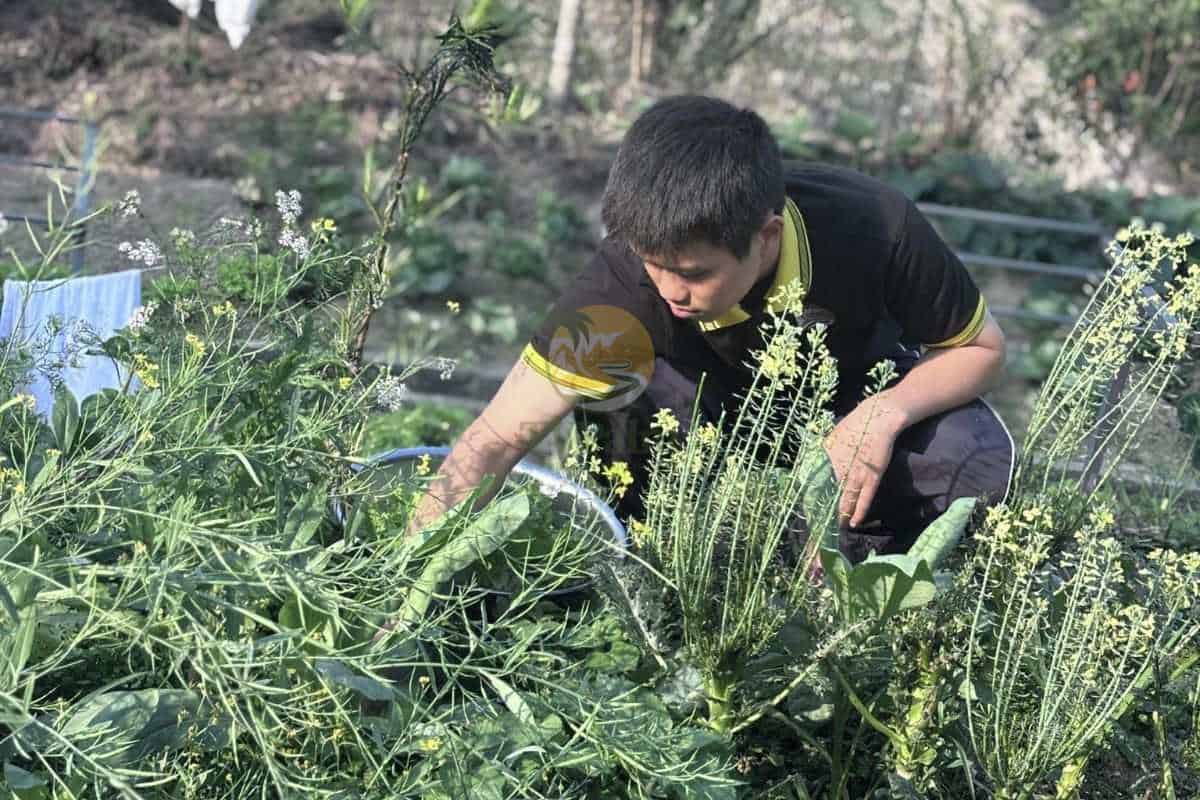
Measured Environmental Impact
Environment: less plastic, less waste, less pressure
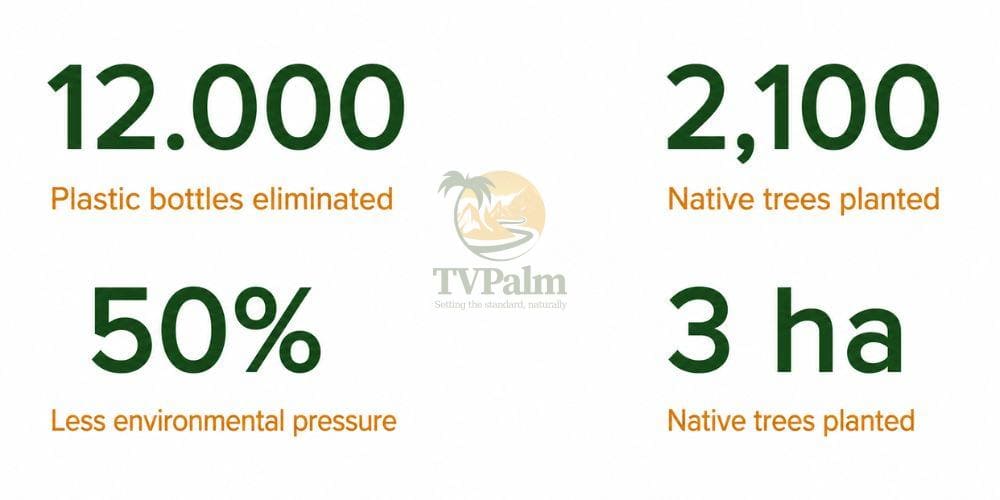
We have committed to removing single-use plastic from the guest experience. Every guest receives a reusable metal bottle, and a central water purification system provides clean drinking water free of charge. Our 2025 results: about 12,000 plastic bottles avoided each year, 78 percent less plastic waste than a conventional lodge, and 65 percent of operational waste sorted and kept out of landfill.
Smaller groups, lower-impact journeys
Every group is limited to eight guests. We run no mass-tourism departures, and we adjust routes by season so sensitive areas are not overused. We estimate that this puts 35 to 50 percent less pressure on the environment than tours of 15 to 20 people. We have recorded zero environmental violations, and 94 percent of our guests mention how quiet and uncrowded the experience felt.
Regeneration that can be measured
From 2023 to 2025, we planted more than 2,100 native trees and supported assisted natural regeneration across 3 hectares of forest. After 18 months, 82 percent of the trees had survived. We measure this because regeneration should not be a slogan. It is practical work, and the numbers tell us whether the land is getting healthier.
Society and governance: responsibility must be visible
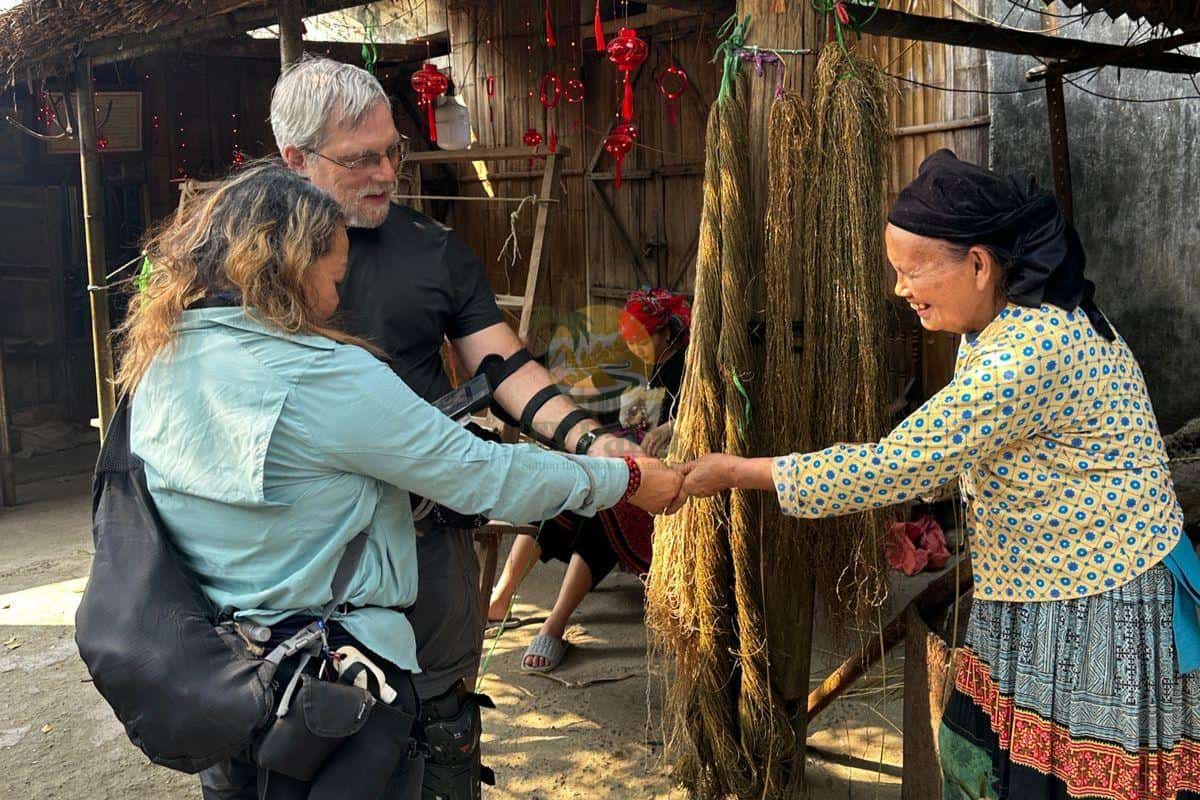
70 percent of our team are local people, and 100 percent of our guides come from the Tay Con Linh Sustainable Tourism Cooperative. Wages are 15 to 25 percent above the local tourism average, and 42 guides have been trained in advanced safety and terrain standards. We reinvest 20 to 30 percent of annual net profit in community and environmental projects. Every day on the trail starts with a safety briefing, route risks are assessed in real time, operations are reported weekly, and we review our sustainability work once a year.
What this means for guests
Guests feel this not through a long explanation, but through practical details: a reusable bottle instead of a disposable one, safe water that is offered freely, a smaller and quieter group on the trail, and the sense that care for people, forest, and operations is built into the experience itself.
Our long-term commitment
TVPalm is not trying to make these ideas sound bigger than they are. What matters is keeping words and practice closely aligned, so that environmental, social, and governance responsibility remain visible, grounded, and worthy of trust.


