

As an avid nature lover, wildlife enthusiast, and perhaps an adventurous traveler, you might be searching for “Tonkin snub-nosed monkey trekking: A beginner’s guide” with the hope of an exciting journey into the Vietnamese wilderness.
I am Nguyen Trung, CEO of TVPalm, and with over 20 years of expertise in sustainable tourism in Northern Vietnam, I’m here to share insights on how you can genuinely make a difference for these magnificent creatures.
Overview of Engaging with Tonkin Snub-nosed Monkey Conservation
Direct public trekking tours to observe the Tonkin snub-nosed monkey are generally not available or recommended. The critically endangered status of Rhinopithecus avunculus and strict conservation protocols make direct encounters highly restricted. Many nature enthusiasts dream of encountering rare wildlife, but without proper guidance, well-intentioned efforts could inadvertently cause harm or lead to supporting unsustainable practices. This article provides a comprehensive guide to various ethical and effective ways to engage with the Tonkin snub-nosed monkey’s world, from supporting vital conservation efforts to understanding their unique habitat and the challenges they face.
Quick Summary of Ways to Engage with Tonkin Snub-nosed Monkey Conservation
This section offers a swift overview of your options for ethical engagement and conservation support.
- Method 1: Understanding the Tonkin Snub-nosed Monkey and Its Plight is suitable for anyone seeking foundational knowledge, building informed awareness.
- Method 2: Supporting Tonkin Snub-nosed Monkey Conservation Efforts is ideal for individuals wanting to make a direct financial impact, offering tangible aid to protection programs.
- Method 3: Engaging in Responsible Wildlife Tourism in Vietnam is perfect for travelers looking for ethical experiences that benefit local communities and conservation indirectly, promoting sustainable travel.
- Method 4: Volunteering and Raising Awareness is for those passionate about active participation and advocacy, contributing time and spreading the conservation message.
Before Choosing a Method, You Need to Determine Your Intent and Situation
To ensure your efforts are impactful and aligned with conservation goals, consider these questions. Are you primarily seeking direct wildlife observation, or are you focused on contributing to conservation? What is your budget and time commitment for travel or donations? How much do you already know about the Tonkin snub-nosed monkey’s critically endangered primate status and conservation challenges?
Are you prepared to visit Vietnamese nature reserves and Karst limestone ecosystems with no guarantee of seeing the monkeys, focusing instead on the broader Northern Vietnam biodiversity? Are you willing to prioritize the welfare of the species over personal viewing desires? Choosing the right approach based on your answers will save time and maximize your positive impact.
General Preparations Before Applying the Methods
Regardless of your chosen method, a few general preparations will enhance your engagement. Cultivate a conservation mindset, approaching the topic with respect for Vietnam wildlife conservation and the delicate balance of jungle ecosystems. Basic research is essential; familiarize yourself with the characteristics of the Tonkin snub-nosed monkey, their habitat and threats, and why Tonkin snub-nosed monkeys are critically endangered.
Understand the principles of wildlife conservation ethics and ecotourism principles Vietnam. If considering donations or travel, budget accordingly for Tonkin snub-nosed monkey conservation support or ethical wildlife travel Vietnam.
Detailed Guide to Engaging with Tonkin Snub-nosed Monkey Conservation
Method 1: Understanding the Tonkin Snub-nosed Monkey and Its Plight
This method is ideal for anyone who wants to build a solid foundation of knowledge about this unique primate. It is best for beginners, students, or anyone seeking comprehensive information before deciding on further action. Preparation involves a curious mind and access to reliable sources.
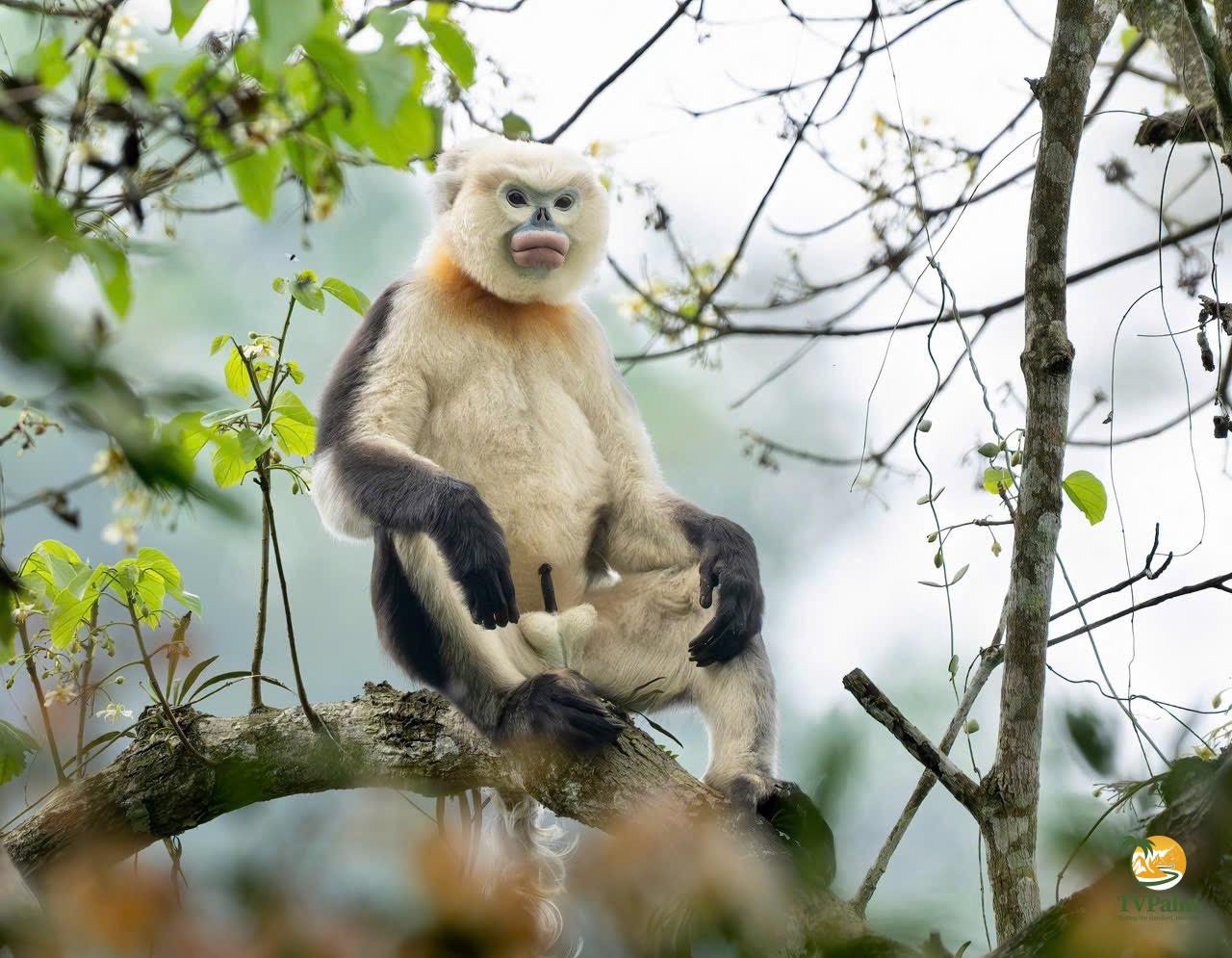
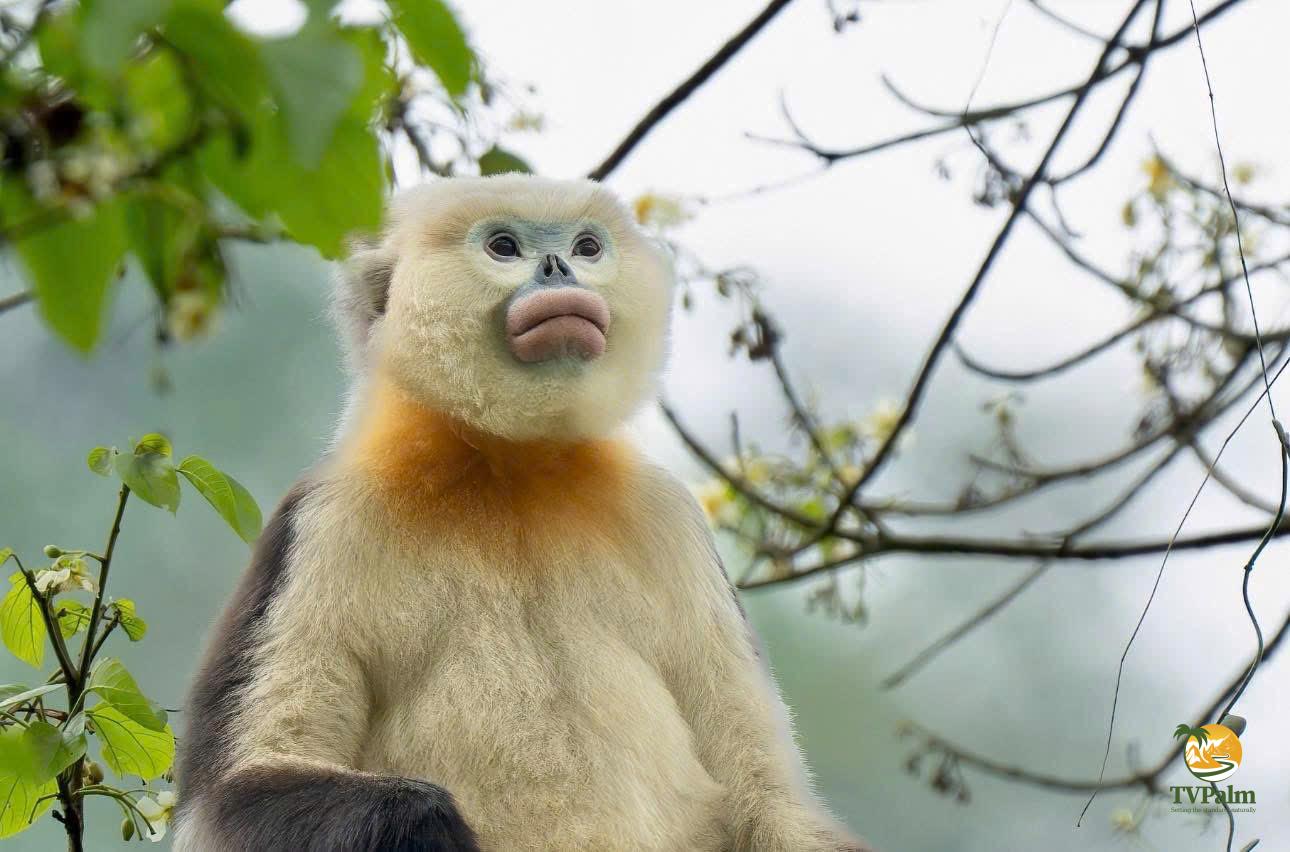
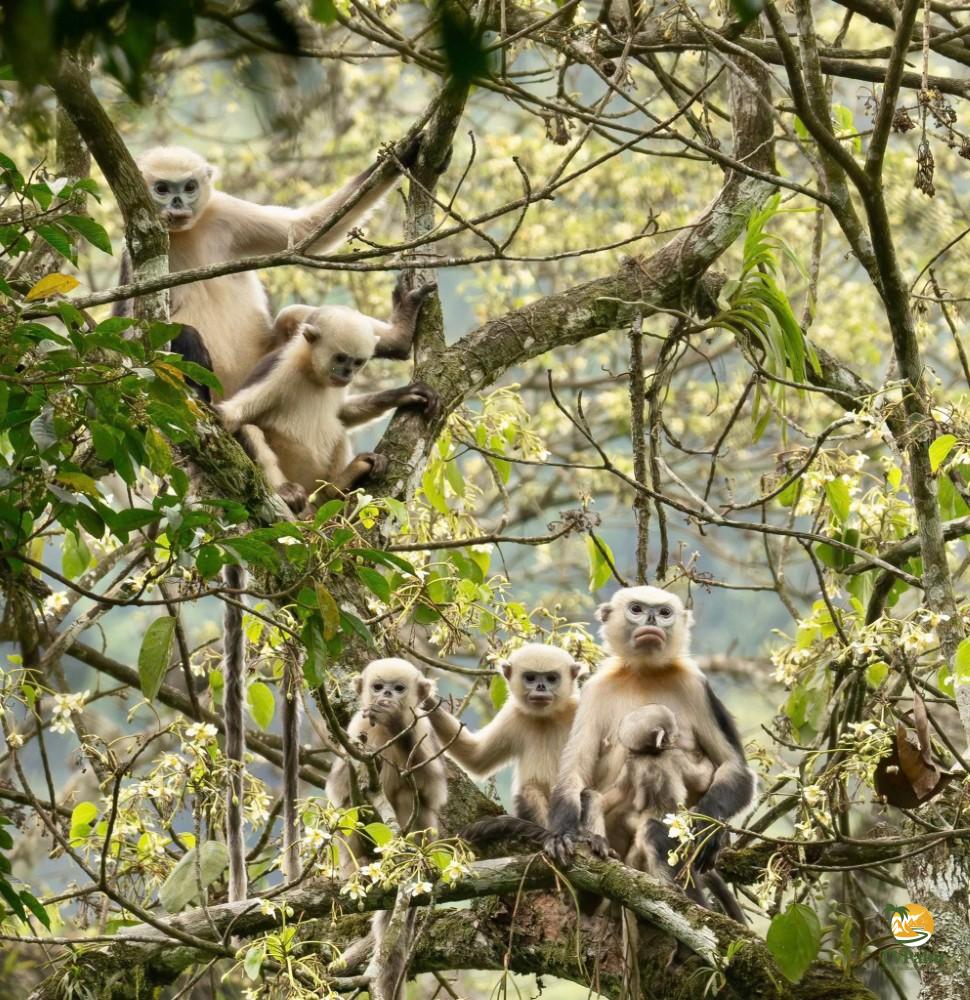
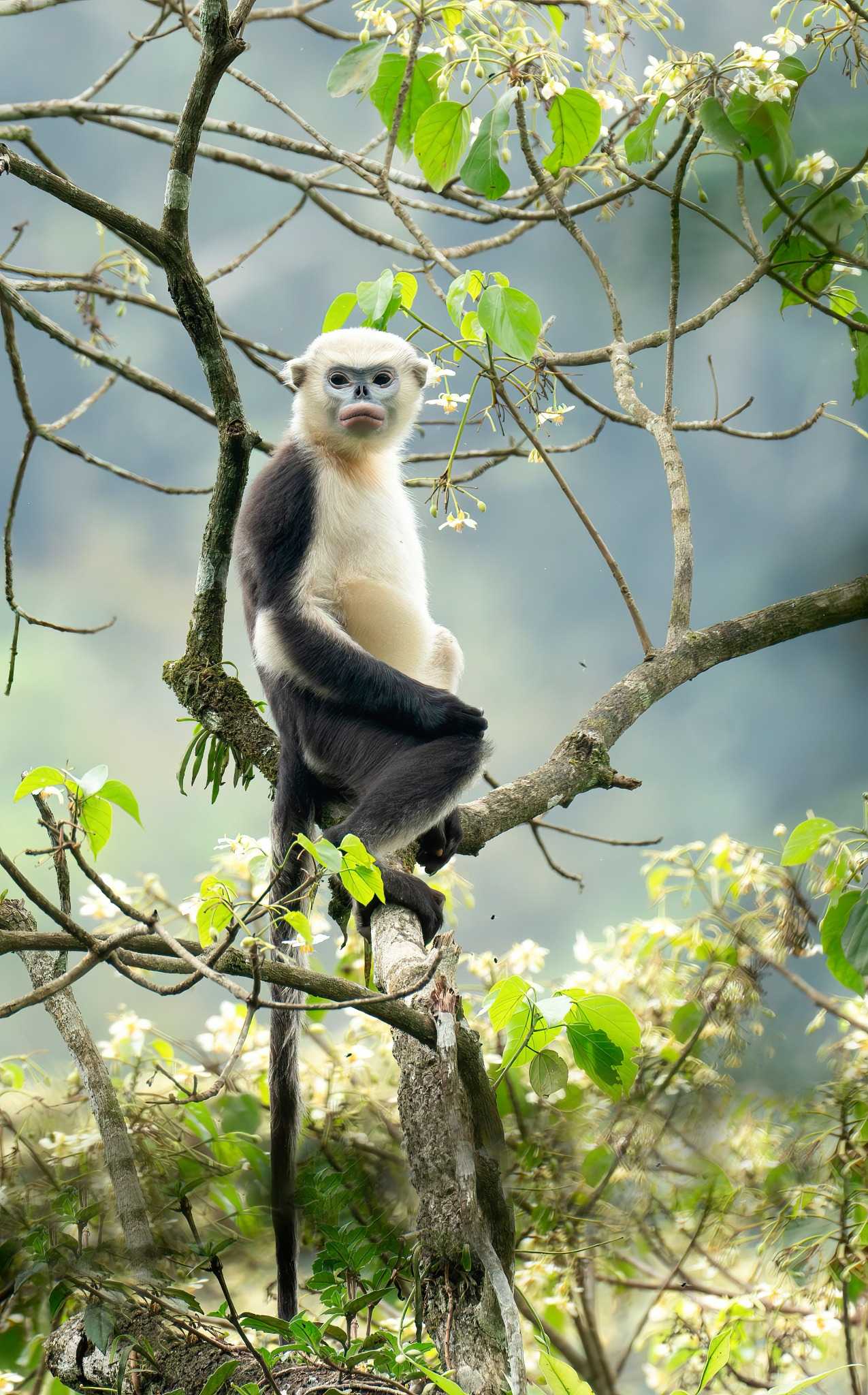
To do this, learn about Rhinopithecus avunculus, also known as Dollman’s snub-nosed monkey. Understand its distinctive appearance, including black and white fur, a pink upturned nose, blue eye patches, and an orange throat patch on males. Learn about its behavior as a diurnal, arboreal, group-living primate, and its diet of leaves, fruits, flowers, and seeds. Grasp its Critically Endangered status on the IUCN Red List and the estimated population of fewer than 250 individuals globally, with Khau Ca being a stronghold. Identify the primary threats: habitat loss and fragmentation from illegal logging, agriculture, and hydroelectric projects, hunting and poaching, and the vulnerability of small and isolated populations. This fosters deep appreciation and provides the necessary context for informed decisions. Refer to scientific reports and reputable conservation organization websites like Fauna & Flora International (FFI). You will know you are successful when you can confidently explain the species’ status and the reasons for its endangerment.
Method 2: Supporting Tonkin Snub-nosed Monkey Conservation Efforts
This method is for those who wish to contribute directly to the protection of the species through financial or organizational support. It suits individuals, groups, or businesses looking to make a tangible impact on conservation. Preparation involves researching and identifying legitimate conservation organizations.
To support, donate to Tonkin snub-nosed monkey protection by making a Khau Ca Species and Habitat Conservation Area donation or supporting Fauna & Flora International Vietnam conservation projects. Advocate for policies and initiatives that strengthen Vietnamese government conservation laws and primate protection. Learn about and support community-led conservation programs that engage local populations in protection and monitoring. This provides crucial resources for habitat protection, anti-poaching patrols, and community engagement. Look for transparency in financial reporting and clear project outcomes from organizations. You will see signs of success when you receive updates on how your contributions are being used and witness positive trends in conservation efforts.
Method 3: Engaging in Responsible Wildlife Tourism in Vietnam
This method allows you to experience the natural beauty of Vietnam while adhering to ecotourism principles Vietnam and supporting conservation indirectly. It is for travelers who want to explore Northern Vietnam’s biodiversity hotspots ethically, understanding that direct monkey sightings are not guaranteed or the primary goal. Preparation involves choosing ethical wildlife travel Vietnam operators and understanding local regulations for Vietnamese nature reserves.
To engage responsibly, visit conservation areas like Khau Ca Species and Habitat Conservation Area or Du Gia National Park in Ha Giang Province and Tuyen Quang Province, which are home to the species’ habitat. Hire local guides who can provide insights into the jungle ecosystems and local conservation efforts, supporting sustainable development Vietnam. Practice responsible viewing: if you encounter any wildlife, maintain a respectful distance, avoid disturbing their natural behavior, and never feed them. This embodies responsible primate tourism Vietnam. Support local economies by choosing accommodations and services that directly benefit local communities involved in conservation. This supports local livelihoods, raises awareness among travelers, and indirectly contributes to the protection of the monkeys’ habitat. Focus on the overall experience of the Northern Vietnam biodiversity and the conservation story. The dry season (October to March) might offer more favorable conditions for general outdoor activities. You will know you are successful when you have a deeper appreciation for the region’s ecology and feel confident that your travel choices had a positive, minimal-impact footprint.
Method 4: Volunteering and Raising Awareness
This method is for individuals who want to dedicate their time and voice to the cause of Tonkin snub-nosed monkey conservation. It is for those with a strong commitment to environmental advocacy and a desire for active participation. Preparation involves researching volunteer Tonkin snub-nosed monkey Vietnam opportunities, which might be limited to broader wildlife conservation or community support due to the species’ sensitivity.
To participate, volunteer in primate research or wildlife education programs, which might involve habitat restoration or community outreach. Raise awareness by sharing information about Tonkin snub-nosed monkey conservation through social media, educational talks, or personal networks. Highlight the importance of primate protection and the urgency of the critically endangered status. Advocate for policy by supporting campaigns that address threats like illegal logging and habitat fragmentation. This offers direct involvement, empowers communities, and amplifies the message of conservation. Start by engaging with online communities or local environmental groups before seeking international volunteer opportunities. Signs of success include a measurable increase in awareness or participation in conservation initiatives you have supported.
When to Use Which Method? And Which Method is Most Effective?
Choosing the right method depends on your personal goals, resources, and level of commitment. If you are a curious beginner, start with Method 1 to build a strong knowledge base. If you want to contribute financially, prioritize Method 2 for direct impact. If you are a traveler seeking ethical experiences, Method 3 is your best bet, focusing on responsible primate tourism Vietnam. If you have time and passion for active involvement, explore Method 4 to contribute directly to conservation efforts.
The most effective approach often involves a combination. Begin with Method 1 to become informed, then consider Method 2 for financial support, and if travel is part of your plan, ensure it aligns with Method 3. Method 4 is an excellent way to deepen your commitment. There is not one best method; rather, the most effective is the one you can sustain and that aligns with genuine conservation needs.
Important Considerations When Applying These Methods
To ensure your efforts are genuinely helpful and avoid unintended negative consequences, keep these points in mind. Avoid misconceptions; do not expect or seek out direct trekking tours that promise guaranteed sightings of Tonkin snub-nosed monkeys, as these are often unethical or non-existent due to the species’ vulnerability. Always verify organizations; research the credibility and transparency of any organization before making a donate to Tonkin snub-nosed monkey protection contribution or volunteering. Look for affiliations with reputable bodies like Fauna & Flora International (FFI) or IUCN Red List.
When engaging in ethical wildlife travel Vietnam, respect local laws and culture, adhering strictly to Vietnamese government conservation laws and local customs, especially in sensitive areas like Khau Ca Species and Habitat Conservation Area. Minimize your footprint; even in general nature exploration, practice Leave No Trace principles to protect jungle ecosystems and Northern Vietnam biodiversity. For any travel to remote areas, ensure you have adequate preparation, including understanding local conditions and potential risks.
Checking Results and Improving Effectiveness After Engagement
Evaluating your impact is crucial for continuous improvement in conservation efforts. Signs of success include increased personal knowledge, successful donations to reputable organizations, positive feedback from responsible travel experiences, or tangible contributions through volunteering.
To check, track your donations, review your travel choices against ecotourism principles Vietnam, and monitor news from conservation organizations you support. If not effective, re-evaluate your chosen method. Perhaps deepen your research (Method 1), increase your support (Method 2), choose different travel partners (Method 3), or explore new volunteer avenues (Method 4). To sustain engagement, consider making regular contributions, staying informed through newsletters, or becoming a vocal advocate for primate protection.
Common Issues When Engaging and How to Address Them
Issue 1: Expecting Direct Trekking Encounters
You might find yourself searching for Tonkin snub-nosed monkey trekking tours or feeling disappointed by the lack of direct access. This is caused by a natural desire for direct wildlife experience combined with a lack of awareness about the species’ extreme vulnerability and strict protection. Reframe your expectations. Understand that the most impactful trekking you can do is through learning and supporting conservation from a distance. Focus on broader wildlife education and conservation challenges.
Issue 2: Supporting Unethical Tourism
You may encounter tour operators promising guaranteed close encounters, allowing feeding, or promoting activities that seem to exploit animals. This stems from a lack of clear guidelines on ethical wildlife travel Vietnam and the allure of seemingly unique experiences. Prioritize responsible primate tourism Vietnam.
Research tour operators thoroughly, looking for certifications, partnerships with conservation groups like Fauna & Flora International (FFI), and adherence to strict ethical guidelines. Always question activities that seem too good to be true.
Issue 3: Feeling Overwhelmed by the Critically Endangered Status
You might feel that your individual actions are too small to make a difference given the severe threats to the species. The sheer scale of habitat fragmentation, illegal logging, and conservation challenges can be daunting. Focus on the power of collective action. Every donation, every informed traveler, and every voice raised for primate protection contributes to the larger effort. Remember that even small, consistent support can lead to significant positive changes, as seen in the Khau Ca Species and Habitat Conservation Area population increase.
Conclusion and Recommendations for You
Engaging with the Tonkin snub-nosed monkey’s story is a journey of understanding, responsibility, and impactful action. The core message is clear: while direct trekking for observation is not the path, there are numerous powerful ways to contribute to their survival.
My recommendation for you, as a beginner, is to:
- Start by becoming informed (Method 1): Deepen your knowledge about Rhinopithecus avunculus, its habitat, and the threats it faces.
- Then, choose your next step: Consider making a meaningful Tonkin snub-nosed monkey conservation support donation (Method 2) to reputable organizations like Fauna & Flora International (FFI), or plan an ethical wildlife travel Vietnam experience (Method 3) that supports local communities and raises awareness without disturbing the species.
- Stay engaged: Continue to learn, share information, and advocate for primate protection and sustainable development Vietnam.
By embracing these responsible approaches, you become a vital part of the solution, helping to ensure the future of this extraordinary and critically endangered primate for generations to come. Keep this guide handy, and remember that every conscious choice you make contributes to the broader goal of Vietnam wildlife conservation.